A Renaissance Florentine dish of the 'fifth quarter', the humble offal the poor were left. Chicken livers, cockscombs, wattles and the tiny unlaid eggs found inside a hen are stewed gently with onion and sage, then bound at the last moment in a velvety sauce of egg yolk and lemon. Served warm as a delicate second course, it is soft, rich and faintly sharp. Once a favourite of the Medici court, it has grown rare in modern kitchens, for the combs and wattles it depends on have all but vanished from industrially raised birds.
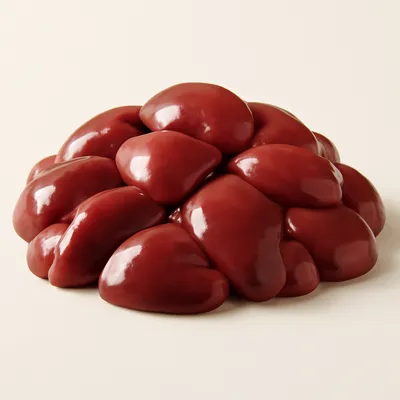


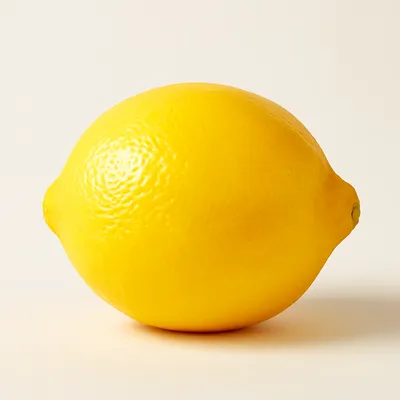

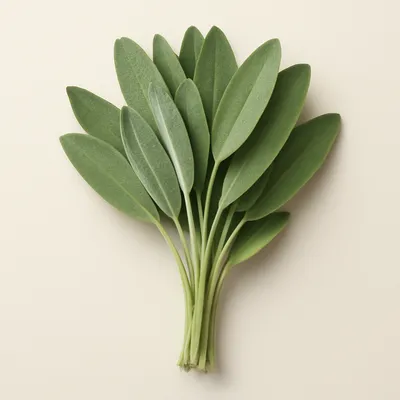
Cibreo belongs to the old Florentine cooking of the 'quinto quarto', the offal left to the poor once the nobles had taken the prime cuts. It was one of the favourite dishes of Caterina de' Medici, the Florentine noblewoman who married into the French crown; she is said to have loved it so much that she once ate herself into an indigestion. The classic recipe was set down by Pellegrino Artusi in his 1891 kitchen bible 'La scienza in cucina e l'arte di mangiar bene', which fixes the method of cooking the combs and livers in butter and finishing them with a liaison of egg yolk, flour and lemon. The dish is woven into Florentine memory in other ways too: Carlo Collodi has the sly Cat order it at the Red Crayfish inn in 'The Adventures of Pinocchio'. Its name is usually traced to the Old French 'civé', from 'cive', onion, in turn from the Latin 'caepa'. Today cibreo is hard to find, because the cockscombs and wattles it needs have disappeared from fast-grown industrial chickens.
Warm and soft-textured, almost like a savoury custard. The livers are tender and mineral, the combs and wattles gently gelatinous, and the whole is lifted by the bright, lemony egg sauce that clings to everything. It is rich but delicate, meant to be eaten by the spoon with bread alongside.
The dish lives or dies on its egg-and-lemon liaison. Egg yolk proteins begin to set around 65°C and will scramble into curds if the sauce boils, so the yolks are slackened with a little flour and a ladle of hot broth and stirred in off the heat: the flour's starch granules swell and gelatinise, physically holding the egg proteins apart and raising the temperature at which they coagulate, so the sauce thickens to a smooth cream instead of breaking. The lemon's acid sharpens the flavour and helps the proteins firm gently. The combs and wattles are almost pure collagen; long, gentle simmering hydrolyses that collagen into gelatin, giving them their soft, springy bite and lending the sauce body. The livers are cooked only briefly and kept off the boil, because their proteins tighten and turn grainy if overheated, squeezing out moisture and the tenderness the dish wants.
Variations
Recipes differ from cook to cook and over time. Artusi's version leans on livers, combs and the little unlaid eggs; older and grander tables added the cockerel's testicles and sometimes sweetbreads or crests of other birds. Some cooks perfume the base with a little nutmeg or extra sage, others keep it austere. Beyond the classic stew, the name cibreo now also belongs to a famous Florentine trattoria that revived the dish, and the same egg-and-lemon finish is used to bind other Tuscan offal preparations.
On the Palate
Where Cibreo sits in the Italian flavor cloud
Ingredients
Serves 4
How it's made
7 steps · 30 min
- 112 min
Clean and rinse the chicken livers, cockscombs and wattles; blanch the combs and wattles briefly, then rub off their thin outer skin.
- 28 min
Gently sweat finely sliced onion in butter with a few sage leaves until soft and pale gold.
- 315 min
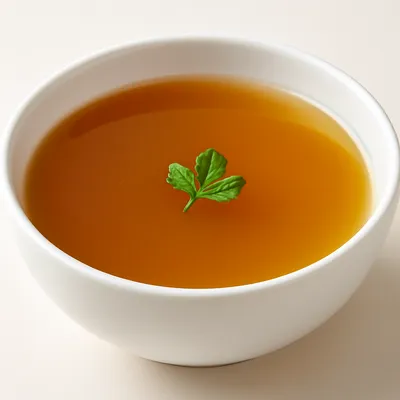
Add the combs, wattles and any unlaid eggs, moisten with meat broth and simmer very gently until tender.
- 46 min
Add the chicken livers and cook just until firm and rosy within, keeping the heat low.
Watch outCook the livers only until just firm and still rosy inside — a minute too long and they go grainy and dry.
- 54 min
In a bowl whisk the egg yolks with a teaspoon of flour and the lemon juice, then loosen with a ladle of the hot broth.
- 63 min
Take the pan off the heat and stir in the egg-and-lemon mixture, swirling constantly until the sauce thickens to a cream.
Watch outTake the pan off the heat before stirring in the egg-and-lemon, swirling constantly — let it boil and the yolks scramble into curds instead of thickening to a cream.
- 72 min
Season with salt and pepper and serve at once, warm, without ever letting it boil.