
Crema pasticcera is the foundational Italian pastry cream, a cooked custard of whole milk, egg yolks, sugar, and a starch of flour or cornstarch, flavoured most often with lemon zest, vanilla, or both. It is the workhorse filling of Italian pasticceria, piped into bomboloni and krapfen, bignè and cannoncini, spread under fruit in a crostata, layered in millefoglie and torta della nonna, and folded into lighter creams. Italians tend toward more yolks and a frequent lemon note where the French crème pâtissière leans on vanilla, though the two are the same technique and the ranges overlap. Chilled, it sets firm enough to hold its shape on a spoon, and it is good enough to eat plain in a cup with a biscuit.


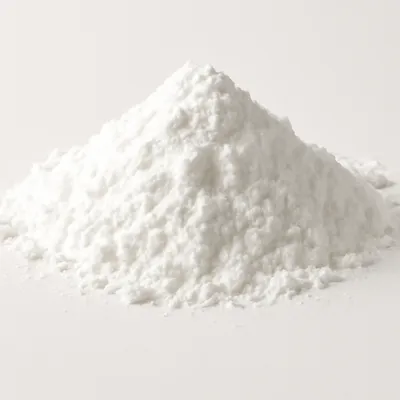
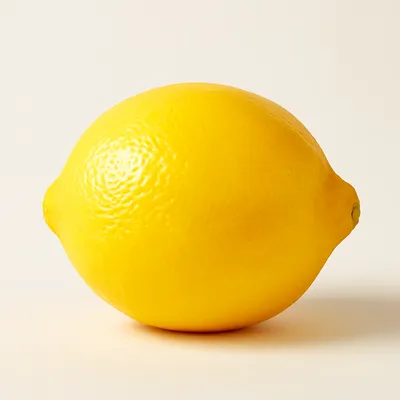

Crema pasticcera is the Italian member of a pan-European family of starch-thickened egg-and-milk custards, called pastry cream in English and crème pâtissière in French. The modern flour- or starch-set cooked cream is generally credited to the French professional pastry tradition, which codified and named it; there is no documented Italian origin, and Italian writers themselves say it «was born in France». Popular accounts that name François Massialot as the inventor of pastry cream in 1691, or Antonin Carême as the one who named it, circulate mainly on commercial and recipe sites rather than in scholarly sources, and should be treated as tradition, not established fact. It is worth noting that the «crema» in Pellegrino Artusi's 1891 La scienza in cucina is a flourless custard, that is a crème anglaise, not this starch-thickened cream, so it does not anchor crema pasticcera. As a technique rather than a place-bound product, it carries no DOP, IGP, or PAT protection.
Glossy and satin-smooth, a buttery yellow that deepens with the number of yolks. It is dense enough to coat the back of a spoon and hold a soft mound, never pourable. The aroma is sweet and warm, all vanilla, or a bright peel-lift in the lemon style. On the tongue it is rich, custardy, and clean-finishing, with no chalky raw-flour taste when it has been cooked through. Chilled, it firms to a sliceable, spoonable cream that pipes in clean ribbons.
The starch does three jobs no egg custard can do alone. First, gelatinized starch granules shield the egg proteins, so a starch-bound cream can be taken to a full boil near 100°C without curdling, whereas a flourless crème anglaise sets and then breaks at only about 82 to 85°C. Second, the boil deactivates alpha-amylase, an enzyme carried in the yolks that would otherwise slowly digest the starch and turn a set cream runny; it survives gentle heat, so the cream must actually reach a boil for a short minute. Third, the heat gelatinizes the starch to thicken the cream and cooks out the raw-flour taste. Temper by whisking the hot milk gradually into the cold yolk, sugar, and starch so the yolks warm slowly and never seize. Note that the common Italian caution «never let it boil» is right for a flourless custard but wrong for this starch-thickened cream, which should boil briefly.
Variations
Crema diplomatica folds in whipped cream for a lighter, mousse-like cream. Beware a false friend: in Italy «crema chantilly» usually means pastry cream lightened with whipped cream, essentially the diplomatica, whereas in France crème Chantilly is only sweetened whipped cream with no custard at all. Crema al limone drops the vanilla for a lemon-forward custard; a chocolate version melts in dark chocolate; pistachio and coffee versions are common. Beaten with butter it becomes the French crema mousseline; with almond cream added it becomes frangipane. Do not confuse it with crema inglese, the flourless crème anglaise used as a pouring sauce.
On the Palate
Where Crema Pasticcera sits in the Italian flavor cloud
Ingredients
Serves 6How it's made
8 steps · 25 min active + 5 min waiting
- 17 min
Heat the milk with split vanilla and lemon zest until just below a boil, then take it off the heat to steep.
- 23 min
Whisk the egg yolks with the sugar until pale and ribboning.
- 32 min
Sift in the flour or cornstarch and whisk to a smooth paste with no lumps.
- 42 min
Strain the hot milk and pour it into the yolk mixture a little at a time, whisking constantly to temper.
Watch outPour the hot milk into the yolks a little at a time, whisking constantly — dump it in and the yolks scramble instead of tempering smooth.
- 55 min
Return everything to the pan over medium heat, whisking without stopping as it thickens.
- 61 min
Bring it to a boil and let it bubble for about a minute to cook out the flour and set the cream.
Watch outBring it to a full boil for about a minute — the boil sets the starch and kills the yolk enzyme that would otherwise thin the cream back to a runny mess.
- 71 min
Pass the cream through a fine sieve into a clean bowl.
- 830 min
Press plastic wrap directly onto the surface and chill until set.
Archive tool suggestions — not reviewed
These legacy suggestions have not been evidence-reviewed and are not presented as required tools.


