Sicilian 'bones of the dead', hard clove-scented biscuits baked across the island for All Souls' Day on 2 November. A stiff paste of flour, sugar, water and spices is shaped into small bones or ovals, left to dry for a day or two until the surface hardens, then baked, whereupon each biscuit splits into two joined layers: a pale, hard, brittle 'bone' on top and a dark, chewy, caramelised foot beneath. Bone-hard and very long-keeping, they were set out for the dead who, by tradition, left sweets for the children in the family's 'cannistru' basket, and are dipped in sweet Marsala to soften.


A biscuit bound to the Sicilian cult of the dead. Across the island the night of 1 to 2 November, the commemoration of the departed, was long a children's festival: the dead were said to return and leave gifts and sweets in the 'cannistru', a cane basket, to be found on the morning of the 2nd, and among them these bone-shaped biscuits. Known in different Sicilian dialects as mustazzoli, nucatoli, moscardini or paste di garofano, the 'clove pastes', they belong to the same family of hard spiced sweets that spread through Spanish Sicily. They are recognised as a Prodotto Agroalimentare Tradizionale of the island, and are traditionally eaten with a glass of sweet Marsala.
Rock-hard at first bite, then yielding: the white top shatters into sweet, brittle shards while the dark base is dense and chewy, almost toffee-like. The flavour is pure sugar warmed by clove and cinnamon, aromatic and lingering. Left as they are they can crack a tooth, so they are dipped in Marsala or coffee until they soften to a fragrant, spiced chew.
The split top and base are a lesson in sugar. The paste is roughly half sugar, and the long drying rest lets a firm crust form as surface water evaporates, so the shaped biscuits set. In the oven the sugar in contact with the hot tray melts and caramelises, browning through the Maillard reaction with the spices into the dark, chewy foot; higher up, as water bakes off, the sugar recrystallises into the pale, hard, glassy 'bone'. Because the melted base and the drier top expand and set at different rates, the biscuit lifts and separates into its two joined layers. With so little water and so much sugar binding it, the finished biscuit is very low in moisture, which is why it keeps for months and stays bone-hard until liquid is soaked back in.
Variations
Recipes range from the barest paste of flour, sugar and water scented only with cloves, to richer versions worked with blanched almonds, lemon zest or a little honey, closer to the nucatoli. Shapes vary from stylised bones and rings to plain ovals stamped with a mould. The same November table carries sister sweets across Sicily: sugar 'pupaccena' dolls, marzipan 'frutta martorana' shaped as fruit, and toasted-almond brittle, all left as gifts from the dead.
On the Palate
Where Ossa di Morto sits in the Italian flavor cloud
Ingredients
Serves 10How it's made
8 steps · 20 min
- 110 min
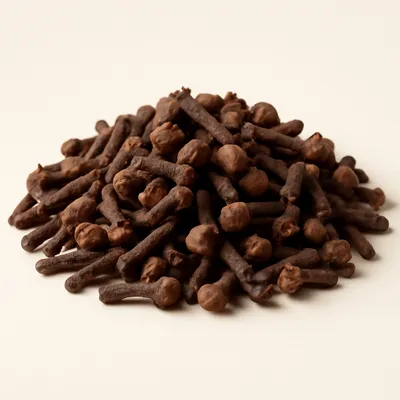
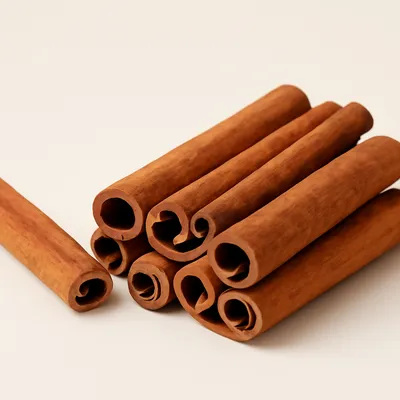
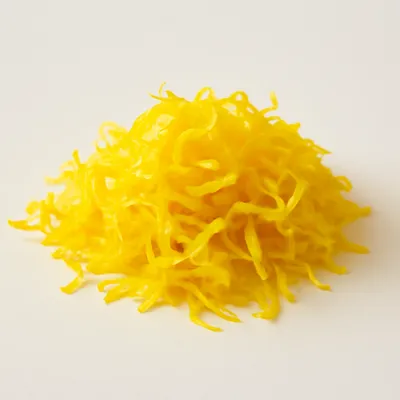
Sift the flour onto a board, make a well and add the sugar, ground cloves, cinnamon and lemon zest.
- 212 min
Work in just enough warm water to bring it together into a very stiff, smooth paste, kneading well.
- 320 min
Shape the paste into small bones, ovals or rings and set them on a lined tray.
- 42880 min
Leave them uncovered in a cool, dry place for a day or two, until the surfaces are quite hard and dry.
Watch outLeave the shaped biscuits uncovered a day or two until the surface is genuinely hard and dry — a dry skin is what lets them split into two layers when baked.
- 520 min
Bake in a moderate oven until the tops turn pale and hard and the bases caramelise, about 20 minutes.
- 63 min
Watch for each biscuit to split into a white top and a darker foot, the sign they are done.
Watch outWatch for each biscuit to split into a pale top and a caramelized darker foot — that separation is the sign they're done.
- 730 min
Cool completely on a rack, where they harden fully.
- 85 min
Store in a tin and serve with sweet Marsala, dipping to soften if you like.
Archive tool suggestions — not reviewed
These legacy suggestions have not been evidence-reviewed and are not presented as required tools.

