The stuffed sibling of the piadina romagnola: a thin Romagnol flatbread folded into a half-moon over a raw or briefly sautéed filling — classically wild field greens with garlic, also chard with spinach, tomato with mozzarella, or potato. Called crescione around Forlì-Cesena and Ravenna, cassone in the Rimini area.



The crescione is rooted in Romagna's ancient flatbread tradition, sharing its dough and terracotta griddle (testo) with the piadina. The terracotta griddles used to cook it were historically crafted by artisans in Montetiffi, a hamlet near Sogliano al Rubicone in the Forlì-Cesena province. Historically the bread was made very large — over 40 cm in diameter — to feed farm laborers through long working days, filled with whatever wild greens (erbe di campo) could be foraged nearby: rosolaccio (corn poppy), crespigno, and similar seasonal plants seasoned with garlic, oil, salt, and pepper. Regional naming diverged along geographic lines: crescione in Forlì-Cesena and Ravenna, cassone or cascione in Rimini and Cattolica, and carsón or casòun in local dialect. The same preparation is known as calzone in Imola.
The griddle-crisped exterior offers a faint char and a papery snap; inside, wilted greens release earthy, garlicky steam, their slight bitterness balanced by olive oil richness. The contrast between the lightly scorched flatbread shell and the moist, tender filling is the essential pleasure.
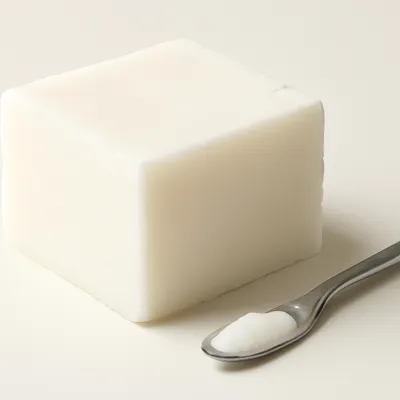
The lard in the dough shortens gluten strands, yielding a tender, non-elastic sheet that rolls to 4 mm without springing back. On the testo (or cast-iron griddle), direct radiant heat triggers Maillard browning of the dry dough surface within 3–4 minutes per side. Moisture from the filling creates a steaming microenvironment inside the sealed half-moon, gently cooking raw vegetables through while keeping them succulent. The sealed rim acts as a pressure valve: steam pressure slightly puffs the interior, separating the dough layers for a light, airy pocket. Bicarbonate of soda, though used in small amounts, provides minimal leavening that softens the finished crumb.
Variations
Classic filling: wild field greens (rosolaccio, crespigno) with garlic, oil, salt, pepper — raw and finely chopped, or lightly blanched. Other traditional fillings: Swiss chard with ricotta, spinach with onion, potato with sausage, pumpkin with potato. Contemporary variants: mozzarella with tomato and oregano, prosciutto with stracchino cheese. In summer, fresh tomato slices layered with basil and mozzarella are common along the Riviera. The same dough fried in oil instead of griddled produces a crisp piadina fritta.
On the Palate
Where Crescione (Cassone) Romagnolo sits in the Italian flavor cloud
Ingredients
Serves 4

How it's made
7 steps · 50 min active + 30 min waiting
- 130 min
Combine flour, pork lard, bicarbonate of soda, and salt; gradually work in warm water and knead until smooth. Cover and rest 30 minutes.
- 210 min
Divide dough into four balls; roll each on a lightly floured surface to a round approximately 4 mm thick and 25–30 cm in diameter.
Watch outRoll the lard dough to about 4 mm without it springing back — the fat shortens the gluten so it stays put; an elastic sheet means it needs more rest.
- 310 min
Prepare filling: sauté chard or spinach with sliced garlic in olive oil over medium heat until wilted and any liquid has evaporated; season with salt and pepper, then cool. (Alternatively, use raw greens very finely chopped.)
- 45 min
Spread filling over one half of each dough round, leaving a 1 cm border at the edge.
- 55 min
Fold the dough over the filling to form a half-moon; press the edges firmly all around with fingertips or the back of a fork to seal completely.
Watch outPress the edges firmly all around to seal completely — a gap lets the steam escape, and the filling won't cook through soft inside.
- 68 min
Cook on a hot dry griddle or testo over medium-high heat for 3–4 minutes per side until the surface is golden with darker patches and the dough is cooked through.
Watch outCook 3–4 minutes a side until golden with darker patches — the sealed pocket steams the greens inside while the surface browns.
- 72 min
Serve immediately while hot; the sealed edge keeps the interior steaming and moist.
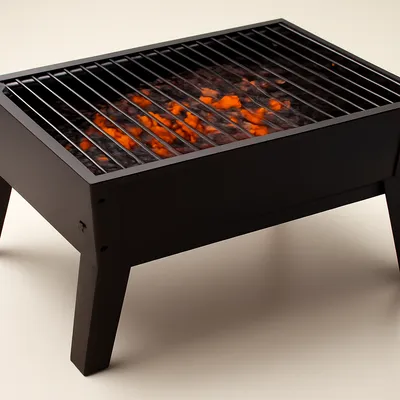
Archive tool suggestions — not reviewed
These legacy suggestions have not been evidence-reviewed and are not presented as required tools.