A rustic fresh pasta of the Metauro valley and the Montefeltro, kneaded from soft-wheat flour and a large share of dried fava-bean flour. Because the legume flour holds no gluten, the sheet cannot be rolled thin, so the ribbons stay thick, coarse and pale straw-yellow, about 3-4 mm wide and 20-25 cm long. The dialect name tacon likens them to the leather offcuts left when trimming shoe soles into heels. Cucina povera at heart, they are eaten plain with oil and grated cheese, or today with a mushroom ragu.



The tacconi were born of the mezzadria, the sharecropping system in which a peasant handed half the harvest to the landowner and was often left short of wheat. To stretch the precious wheat, saved above all for bread, cooks blended in cheaper fava-bean flour, and the fava had been a staple of the local table since Roman times, when Fratte Rosa was already known for its beans and its terracotta. The variety nearly vanished after the Second World War; from 2000 the comune backed research that recovered pure seed from a few elders' gardens, and in May 2018 the Fava di Fratte Rosa became a Slow Food Presidium, the first in the province of Pesaro and Urbino. The pasta made from it is celebrated each May at a fava-and-tacconi festival at Torre San Marco.
Sturdy and a little chewy, with a rougher, more porous surface than egg pasta; the fava flour brings a gentle, nutty sweetness edged with the faint bitterness of the bean. Dressed simply with oil and sharp grated cheese, the ribbons stay firm and grab the dressing; a mushroom ragu sinks into their coarse grain.
Fava-bean flour is gluten-free and rich in protein but cannot build the elastic gluten network that lets wheat dough stretch thin; blended at roughly 30-50%, it dilutes the wheat's gluten so the sheet stays thick and the ribbons keep their coarse patch shape. Egg protein and its lecithin help bind and firm the weakened dough. Nutritionally the pairing is shrewd cucina povera: cereals are low in the amino acid lysine while legumes are rich in it, and legumes lack the methionine that wheat supplies, so bean-and-wheat pasta gives a more complete protein than either flour alone.
Variations
At Fratte Rosa the tacconi carry 30-50% fava flour and were classically dressed simply, with oil and grated cheese, or ricotta and courgette, though today a mushroom or meat ragu is common. Elsewhere in the Marche and Umbria, tacconi made from plain wheat, maize or chestnut flour go by the same name and by dialect variants such as batoc. The same fava also fills the local fave in porchetta and the vegetable soup baggiana.
On the Palate
Where Tacconi di Fave sits in the Italian flavor cloud
Ingredients
Serves 4How it's made
7 steps · 1 hour
- 15 min
Mound 200 g soft-wheat flour and 150 g dried fava-bean flour on a board and mix; make a well in the centre.
- 210 min
Break in 2 eggs and add a little water; work into a compact, elastic dough, kneading about 10 minutes.
Watch outKnead a good ten minutes until the dough is firm and springy — fava flour has no gluten, so the wheat needs working to hold the ribbons together.
- 330 min
Cover and rest the dough 30 minutes so it relaxes and hydrates evenly.
- 415 min
Roll it out with a rolling pin into a sheet thicker than for tagliatelle, since the fava flour keeps it from going thin.
Watch outRoll it thicker than tagliatelle — the fava flour keeps it from going thin, and forcing it thin makes it crack into scraps.
- 510 min
Flour the sheet, roll it up loosely and cut into ribbons about 3-4 mm wide, then unfurl them (20-25 cm long).
- 65 min
Boil in plenty of salted water for a few minutes, until they float and are al dente; drain.
Watch outThey're ready the moment they float and bite al dente — a minute or two only; boiled soft, the low-gluten ribbons turn to mush.
- 73 min
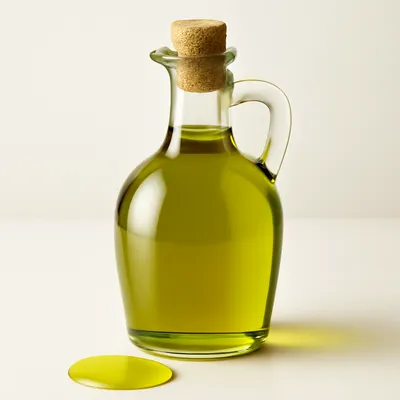
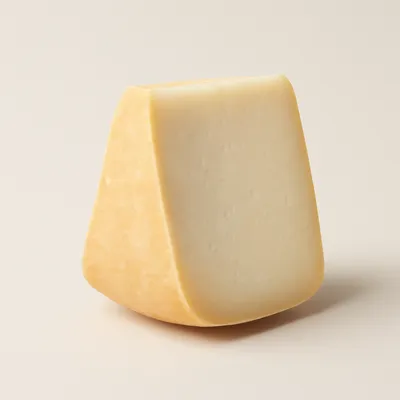
Dress simply with good olive oil and grated pecorino, or toss with a mushroom ragu; serve hot.
Archive tool suggestions — not reviewed
These legacy suggestions have not been evidence-reviewed and are not presented as required tools.

