Hand-braided pasta rings of durum semolina and water, each formed by twisting a double strand between the fingers to create a closed braid; the signature pasta of Morgongiori, a village of fewer than 700 souls at the foot of Monte Arci in Oristano province, Sardinia, traditionally made by village women for All Saints' Day and served with a slow-braised free-range cockerel ragù.


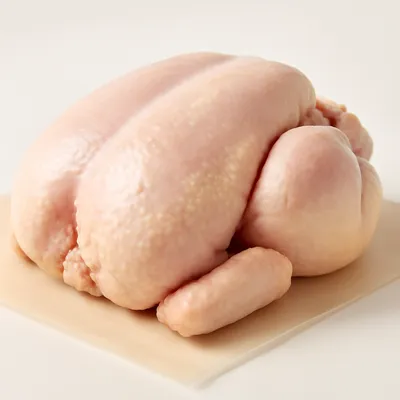


Lorighittas are native to Morgongiori, a village of some 650 residents in the Marmilla sub-region of Oristano province, at the foot of Monte Arci. The name derives from 'loriga,' the Sardinian word for ring, evoking both the pasta's circular braided form and the iron rings (lorigas) historically used to tether horses and donkeys in the village. A 16th-century Spanish economic survey of Sardinia already documented this pasta in the Morgongiori area, placing it among the oldest attested pasta forms on the island. Production has traditionally been an entirely female enterprise: mothers teach daughters the finger-twisting technique across generations. The pasta was made once a year for All Saints' Day (1 November), dried for 3–4 days in winter, and served with a slow-braised free-range cockerel ragù. Later its use expanded to Easter, Christmas, and weddings. Since the late 20th century, the municipality of Morgongiori has held an annual festival in the first week of August celebrating lorighittas, which reached its 26th edition in 2022. Lorighittas hold PAT (Traditional Agrifood Product) status from the Italian Ministry of Agriculture.
The braided ring delivers a firm, pleasantly dense chew—the tightly twisted double strand creates more resistance than any single-extrusion shape—with the nutty sweetness of durum semolina lifting through the rich, collagen-laden cockerel ragù. The ring shape catches pockets of sauce along every curve, so each forkful is saturated.
The double-strand braiding compacts the gluten network more tightly than a single extruded shape, producing a denser cross-section that resists overcooking. During boiling, durum starch gelatinizes around 60–70°C, firming the interior while the outer surface absorbs water and softens, creating a gradient from yielding exterior to firm core. High-protein durum semolina (12–15% protein) forms an exceptionally strong gluten matrix—glutenins and gliadins cross-link into an elastic lattice—that holds the braided geometry through the full boil. The braid's increased surface area relative to a smooth cylinder of equal mass gives the fat- and collagen-rich cockerel ragù more texture to cling to; as the ragù cools on the pasta surface, released collagen gels slightly, glazing each ring.
Variations
Also served with wild boar ragù, fresh tomato sauce, seafood (bottarga or clams), or simply with olive oil and grated fresh pecorino. Commercially dried lorighittas are now produced by artisan pasta makers in Oristano province and available islandwide.
On the Palate
Where Lorighittas sits in the Italian flavor cloud
Ingredients
Serves 4


How it's made
6 steps · 3 hours
- 135 min
Mix 300g durum wheat semolina with 1 tsp salt; add warm water gradually (about 120ml) and knead until a firm, smooth dough forms. Cover with a damp cloth and rest 30 minutes.
- 215 min
Roll the rested dough into thin ropes about 5mm in diameter; cut into 20cm lengths.
- 390 min
Take two lengths side by side; press one end together firmly and twist the two strands around each other to form a tight braid. Bend the braid around and press the ends together to form a closed ring. Repeat until all dough is shaped.
Watch outTwist the two strands into a tight braid and pinch the ring closed firmly — a loose braid or weak join comes apart in the boiling water.
- 41440 min
Place finished rings on a semolina-dusted tray in a single layer; allow to dry at room temperature for at least 24 hours (3–4 days in winter for full drying).
Watch outDry the rings at least 24 hours until hard — properly dried, they hold their braided shape through the full boil; damp ones turn mushy and lose the pattern.
- 590 min
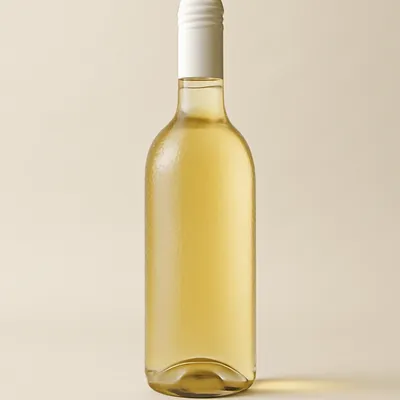
Make the cockerel ragù: sauté chopped onion, garlic, and parsley in olive oil until soft. Add cockerel pieces, brown all over, deglaze with white wine, then add tomato passata and bay leaves. Simmer covered on low heat for 1–1.5 hours until the meat is very tender and the sauce thickens.
- 615 min
Cook lorighittas in well-salted boiling water for 12–15 minutes until al dente; drain and toss immediately with the hot cockerel ragù. Serve.
Watch outCook 12-15 minutes just to al dente — the dense braid resists overcooking, but pull it while it still has bite so it doesn't go soft under the ragù.
Archive tool suggestions — not reviewed
These legacy suggestions have not been evidence-reviewed and are not presented as required tools.


