Troccoli are thick fresh pasta strands from Foggia and the wheat-rich Capitanata (ancient Daunia) plain of northern Apulia, cut all at once by rolling a grooved multi-bladed pin — the troccolaturo — across the pasta sheet to produce square-to-round strands. Made from durum wheat semolina and water, they are the Sunday pasta of the Capitanata: served with a rich multi-meat ragù in Foggia, with cardoncelli mushrooms or seafood on the Gargano promontory.




The troccolaturo — a rolling pin fitted with multiple circular cutting blades — is documented as an 'iron for macaroni' in the illustrated instrument appendix of Bartolomeo Scappi's 1570 Opera dell'Arte del Cucinare, the most comprehensive Italian Renaissance cookery treatise, placing the tool's use no later than the sixteenth century. The pasta's name derives from the Latin torculum (press), rooted in the verb torquere (to twist or press), pointing to an ancient lineage of pressed and cut pasta. Troccoli are the emblematic Sunday pasta of Foggia and the Capitanata, where high-protein durum wheat has shaped local food culture for millennia; in Foggia, dedicated restaurants called troccolerie serve the pasta as a house speciality. The pasta is registered as an Apulian traditional agri-food product (PAT).
Robust and pleasingly toothsome, with the gritty-sweet chew of high-protein durum semolina. The slightly rough surface grips the ragù so every strand carries a generous slick of meat-enriched sauce; the combination of firm pasta and unctuous slow-cooked meat is the essence of Sunday eating in the Capitanata.
Durum semolina carries around 13–14 % protein; extended kneading develops a dense gluten network that gives troccoli their firm bite. Coarser semolina granules hydrate more slowly than refined flour, so a 30-minute rest is necessary for even hydration before rolling. The grooved troccolaturo scores micro-channels into the strand surface, increasing sauce adhesion. In generously salted boiling water (around 10 g per litre), the outer starch gelatinises first; leaving a small ungelatinised starch core (al dente) preserves the elastic bite and prevents the outside from becoming gummy.
Variations
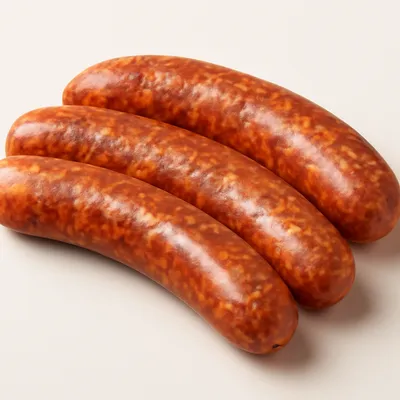
In Foggia the classic ragù combines pork, horse meat and sausage slow-cooked with tomatoes — a tradition maintained in dedicated troccolerie restaurants. On the Gargano promontory troccoli appear with cardoncelli mushrooms, mussels, or sea urchin. Inland villages serve them with a simple fresh tomato sauce and dried chilli. Some families add one or two eggs to the dough for a silkier result, though the orthodox Foggia tradition uses water only.
On the Palate
Where Troccoli sits in the Italian flavor cloud
Ingredients
Serves 4
How it's made
7 steps · 30 min
- 140 min
Mix semolina and a pinch of salt in a bowl; gradually add lukewarm water and work into a rough dough, then knead firmly on the work surface for 10 minutes until smooth, firm and non-sticky. Cover with a cloth and rest 30 minutes.
Watch outKnead until the dough is smooth and firm and springs back — a slack sticky dough gives limp noodles with no bite.
- 235 min
While the dough rests, make the ragù: heat olive oil in a wide pan, add crumbled sausage and brown well; add sliced onion and cook until softened; pour in crushed tomatoes, season with salt and a pinch of dried chilli, and simmer 30 minutes.
- 310 min
Roll rested dough to a sheet about 5–6 mm thick; dust lightly with semolina and roll the troccolaturo firmly across the sheet to cut all strands in one pass.
Watch outPress the troccolaturo down hard and roll in one confident pass so every strand cuts clean through — hesitate and the strands stay joined.
- 410 min
Separate the troccoli and dust with extra semolina; lay flat on a floured cloth and leave uncovered for 10 minutes to dry slightly.
- 512 min
Bring a large pot of water to a rolling boil; salt generously (about 10 g per litre) and cook troccoli 4–5 minutes until al dente — they float and turn slightly opaque when done.
Watch outPull the troccoli the moment they float and turn slightly opaque, still firm at the core — they keep cooking in the hot ragù.
- 63 min
Lift troccoli with a spider directly into the ragù pan over low heat; add a ladleful of pasta water and toss briskly for 1–2 minutes to marry the sauce to the pasta.
Watch outToss over low heat with a splash of starchy pasta water until the sauce turns glossy and clings to each strand.
- 72 min
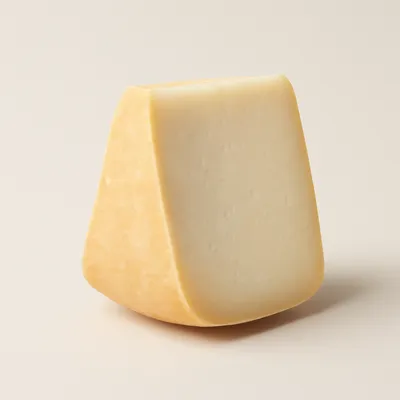
Serve at once in warm bowls, finished with a grating of aged Pecorino or Parmigiano-Reggiano.
Archive tool suggestions — not reviewed
These legacy suggestions have not been evidence-reviewed and are not presented as required tools.

