Trieste's paprika-red cheese spread, carried down from the city's Central European past. Fresh cheeses — in the local version ricotta with mascarpone and sweet gorgonzola — are worked smooth with soft butter and reddened with sweet paprika, the one ingredient no cook leaves out, then sharpened with chives, grated onion, capers and a little caraway. Rested until firm, it is spread thick on rye and eaten as an afternoon merenda or an evening bite across the city's buffets and osterie.





Liptauer takes its name from the German Liptau, the old Habsburg county of Liptó in what is now northern Slovakia, where it began as bryndza — sheep's cheese — blended with sour cream, butter, onion and paprika. It belongs to a whole Central European family that runs through Slovakia, Hungary, Austria, Slovenia and Serbia. In Trieste it settled into the local 'merenda giuliana' and the evening 'rebechin', taking on the city's fresh cheeses; Maria Stelvio's 1927 'La cucina triestina' already records the ricotta, mascarpone and gorgonzola version spread across the city's buffets.
Cool, creamy and spreadable, gently tangy from the cheeses and warm with paprika; sharp little hits of onion, chive and caper cut through the richness, with a faint aniseed note of caraway underneath.
Worked together, the soft cheeses and butter form a smooth, stable emulsion — mascarpone's high fat and the butter give body, while ricotta's broken curds lend a light grain. Paprika does more than colour: its carotenoid pigments are fat-soluble, so they bloom in the butter and cheese fat, releasing both colour and aroma. The gorgonzola brings the savoury depth of blue mould, whose enzymes have already broken fats and proteins into pungent, salty compounds. Raw onion and chive add a sulphur bite, capers a briny edge. A spell in the cold lets the flavours marry and firms the fat so the spread holds its shape.
Variations
The base cheese shifts with the cook — bryndza or another sheep's cheese in its Slovak homeland, quark or fresh caprino elsewhere, sometimes bound with sour cream or a little butter alone. Mustard, a few caraway seeds or capers come and go; the caraway, once standard, is now often dropped. The same spread reappears as körözött in Hungary and in Austrian, Slovenian and Serbian kitchens. It is served on rye, on toast, or piped into hard-boiled eggs and hollowed tomatoes.
On the Palate
Where Liptauer (Triestino) sits in the Italian flavor cloud
Ingredients
Serves 6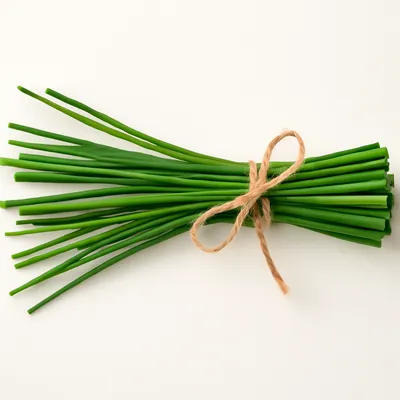

How it's made
8 steps · 15 min active + 1 hour waiting
- 110 min
Bring the cheeses and butter to cool room temperature; if the ricotta is wet, drain off the excess whey.
- 22 min
Cream the soft butter in a bowl with a fork until smooth.
- 33 min
Work in the ricotta, mascarpone and crumbled sweet gorgonzola until the mixture is even and lump-free.
- 42 min
Beat in the sweet paprika until the spread is uniformly reddened; add a pinch of hot paprika if you like heat.
Watch outBeat the paprika in until the fat blooms it evenly red — worked into the butter it releases both color and aroma the raw powder can't.
- 53 min
Fold in finely chopped chives, a little grated onion, chopped capers and a pinch of lightly crushed caraway.
- 61 min
Season with salt, then taste and adjust the paprika and salt.
- 760 min
Cover and chill at least 1 hour (or overnight) to firm the spread and let the flavours marry.
Watch outChill at least an hour so the fat firms and the flavors marry — served straight away it's loose and the paprika tastes raw.
- 82 min
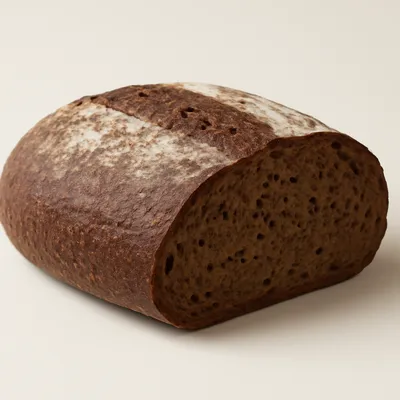
Bring back to cool room temperature, mound in a bowl, dust with paprika and serve with sliced rye bread.