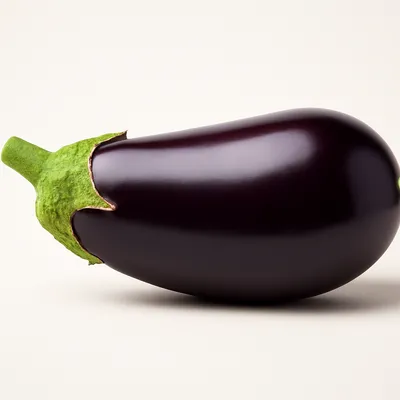
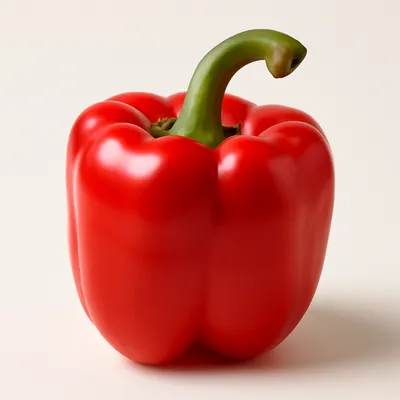
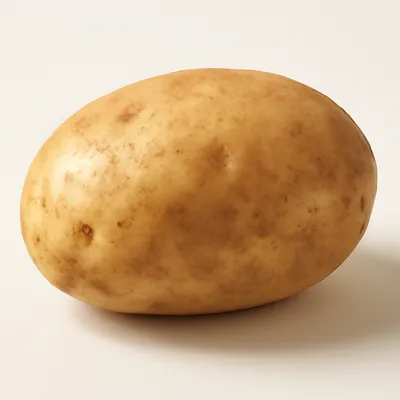
A summer stew of peppers, aubergine, potatoes, ripe tomatoes and Tropea onion — the aubergine and peppers each fried separately before joining a soffritto-and-tomato base to stew together. A cucina-contadina dish once carried to the fields inside a hollowed loaf, made across Calabria at the height of summer when every ingredient comes from the kitchen garden.



Ciambotta — also written ciambrotta or giambotta — is among the oldest dishes of southern Italian peasant cooking, with versions recorded across Calabria, Campania, Basilicata and Puglia. The name's origin is debated: it is most often linked to the old French chabrot, meaning a mixture, though a southern-dialect root meaning 'to fill up' has also been proposed. The Calabrian version took its definitive form once the post-Columbian crops — peppers, tomatoes and potatoes — were absorbed into contadino cooking, displacing earlier allium-and-legume bases. It was a field dish: carried in a hollowed pane di casa loaf and eaten warm or cold by farmworkers through summer.
Each vegetable stays distinct but is lacquered together by the reduced tomato and olive oil — aubergine silky and oil-rich, peppers tender with a faint char from frying, potatoes giving structure, the whole brightened by basil torn in at the last moment.
Pre-frying the aubergine at around 175°C achieves two things: the spongy interior cells collapse and absorb oil, creating a rich, unctuous texture; and Maillard reactions on the surface build savoury depth that holds up through subsequent stewing. The same frying blisters the pepper skins, rupturing their cells and releasing lipid-soluble carotenoid pigments and sweetness compounds into the oil. Once combined in the stew, potato starch granules gelatinise above 60°C, gently thickening the liquid. Ripe tomato contributes citric and malic acids that balance the dish's sweetness, while lycopene and pectin dissolve out of the tomato flesh above 85°C as the cells break down, creating a naturally emulsified sauce that coats every piece.
Variations
A Basilicata version adds sausage or lamb, making it a full secondo. Campania's cianfotta salernitana skips the pre-frying and stews all vegetables raw from the start. Some Calabrian households stir in black olives and capers in the final minutes for a briny counterpoint. On the coast, salted anchovies are melted into the soffritto as an umami base before the tomatoes go in.
On the Palate
Where Ciambotta Calabrese sits in the Italian flavor cloud
Ingredients
Serves 4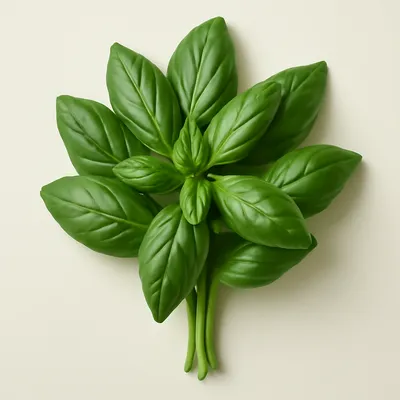

How it's made
8 steps · 20 min
- 120 min
Peel and cut potatoes into 3cm chunks; cube aubergine into similar pieces, salt generously and leave in a colander for 20 minutes to draw out moisture, then rinse and pat dry.
- 210 min
Heat abundant olive oil in a wide pan over medium-high heat; fry aubergine pieces in batches until golden on all sides, about 5 minutes per batch; remove and drain on paper.
Watch outSalt and drain the aubergine first, then fry in batches till golden on every side — crowd the pan and it steams and drinks oil instead of turning rich and silky.
- 35 min
In the same oil, fry the pepper pieces (deseeded, cut into 3cm strips) until blistered and lightly charred at the edges; remove and drain.
Watch outFry the peppers till the skins blister and the edges catch — that char is where their sweetness and depth come from; pull them pale and the stew tastes flat.
- 48 min
In a wide, deep pan, heat fresh olive oil over low-medium heat; sweat the sliced Tropea onion and garlic until translucent and soft, about 8 minutes.
- 510 min
Add peeled, roughly chopped ripe tomatoes, season with salt, and cook over medium heat for 10 minutes until the sauce thickens and deepens in colour.
- 615 min
Add the potato chunks, cover loosely, and simmer gently for 15 minutes until just tender.
- 712 min
Fold in the fried aubergine and peppers; stir gently to coat everything in the sauce and simmer uncovered for 10–12 minutes until all flavours meld.
- 85 min
Remove from heat, tear in a generous handful of fresh basil, adjust salt, finish with a thread of extra-virgin olive oil, and serve warm, optionally on toasted country bread.
Watch outTear the basil in only at the very end off the heat — its perfume flashes off in seconds; stir it in early and you lose the fresh lift entirely.


