
A layered summer vegetable casserole from Mallorca, built from fried potato, aubergine, and red pepper bound under a simple tomato sauce. Each vegetable is fried separately in olive oil — they cook at different rates — then drained and stacked in a shallow dish, potato on the bottom. Tomato sauce is poured over the top and the whole thing is briefly baked so the flavours settle. It is eaten warm or at room temperature, on its own or as a side to meat, fish, or eggs.

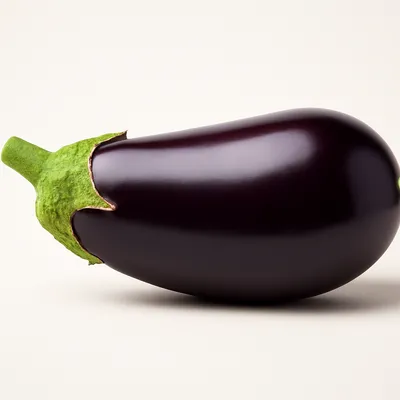
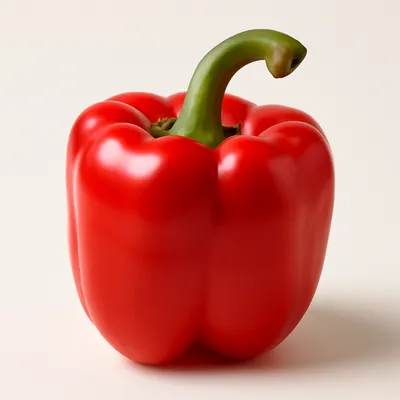
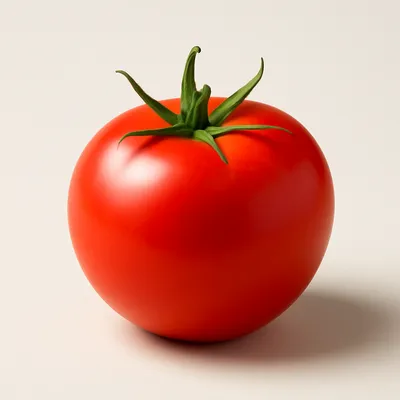


Tumbet is a staple of Mallorcan home cooking and an Atlantic exchange dish: potato, pepper, tomato, and aubergine are all crops that reached the Balearics from the New World and the wider Mediterranean, so the layered form as eaten now postdates the 16th century. It was a summer dish made when these vegetables ripened together in island gardens, and a way to use a glut. Its exact origin is unrecorded, but it sits within the same Mediterranean family as Provençal ratatouille and Manchego pisto, distinguished by its separate frying and tidy layering.
Forked through, the layers stay distinct yet soft: silky aubergine, sweet collapsing red pepper, and potato that has soaked up oil and tomato. The flavour is round and gentle, all olive oil and ripe tomato, with the faint bitterness of fried aubergine in the back and no chilli heat. Served warm it is meltingly soft; left to cool it firms enough to cut into neat squares. Clean and vegetal rather than rich, it leans on good oil and ripe summer produce.
Frying each vegetable apart is the whole technique. Potato, aubergine, and pepper hold different amounts of water and soften at different speeds, so cooking them together would leave some raw and others mush; fried separately, each is browned to its own point, then drained on paper to shed oil so the finished dish is not greasy. Aubergine is often salted first to draw out moisture and bitterness. The tomato is cooked down to a concentrated sauce so its acidity and sugars cut the fried oil, and the short bake only marries the layers rather than cooking them further.
Variations
Many cooks add fried courgette or a layer of soft-fried onion; some slip in egg to bind. Tumbet de peix tops the vegetables with fried fish, and a meat version is finished with pork or lamb. It is closely related to escalivada and to mainland pisto, but the defining marks are the separate frying and the orderly potato-pepper-aubergine stack under tomato. Outside summer, jarred piquillo peppers and good tinned tomato stand in.
On the Palate
Where Tumbet sits in the Spanish flavor cloud
Fry each vegetable separately to its own doneness — they hold different water and soften at different speeds, so cooking them together leaves some raw and others mush.
Ingredients
Serves 4
How it's made
6 steps · 1 hour
- 110 min
Peel and slice the potatoes, slice the aubergine, and salt the aubergine to draw out moisture.
- 215 min
Fry the potato slices in olive oil until tender and lightly gold, then drain on paper.
Watch outPotato slices are tender through and lightly gold.
- 315 min
Fry the aubergine and the red pepper separately until soft, draining each well.
- 415 min
Cook chopped tomato with garlic in oil down to a thick, concentrated sauce, seasoned with salt.
Watch outTomato reduces to a thick sauce that mounds on the spoon.
- 55 min
Layer potato, then pepper, then aubergine in a shallow dish and spoon the tomato sauce over the top.
Watch outLayers stack neat and hold their shape, not sliding.
- 630 min
Bake briefly at 180°C to settle the layers, and serve warm or at room temperature.
Archive tool suggestions — not reviewed
These legacy suggestions have not been evidence-reviewed and are not presented as required tools.


