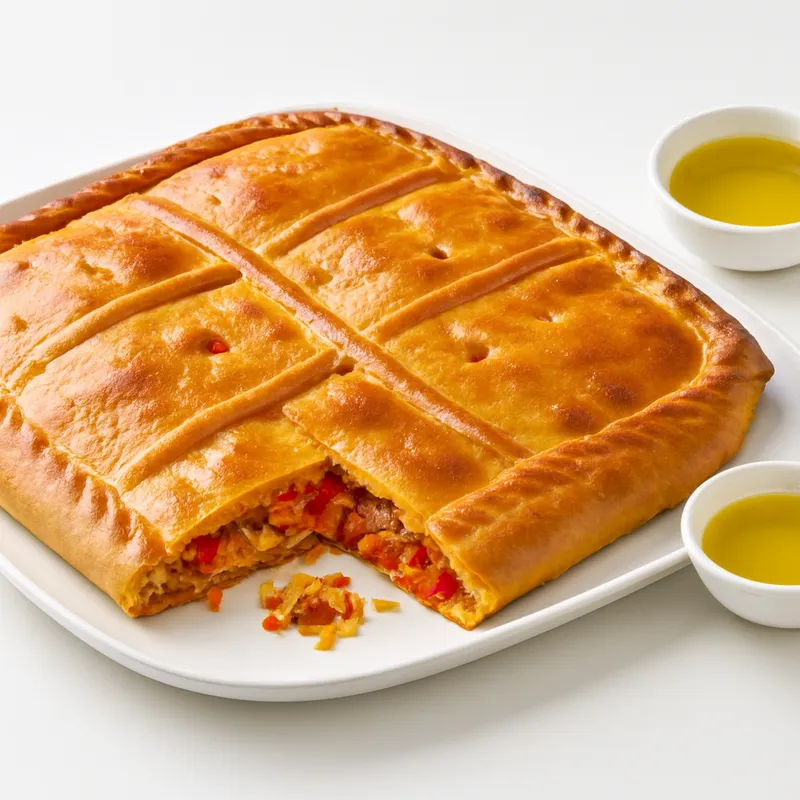
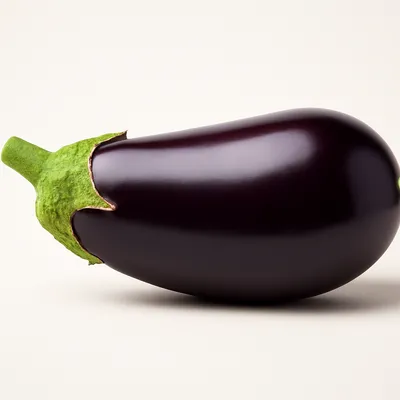
An Andalusian tapa most associated with Córdoba, Málaga and Granada: aubergine cut into rounds or sticks, often pre-soaked in salted water or milk, dredged in flour and deep-fried until the outside is crisp and the inside turns creamy. It is finished with a drizzle of miel de caña — dark cane molasses, the cooked-down syrup of sugarcane juice, not bee honey — so the plate plays salty, fried crunch against bittersweet syrup. Cane syrup or ordinary honey are used interchangeably depending on the bar.



The aubergine was brought to Iberia by the Arabs and grown widely across Al-Andalus from roughly the 8th century onward, long before it spread to the rest of Europe; medieval Andalusian cookbooks already record aubergine fried and finished with a sweet topping of honey. The pairing with miel de caña reflects the sugarcane that the same Arab agriculture established along the Málaga and Granada coast. That cane-syrup tradition survives at the Ingenio Nuestra Señora del Carmen in Frigiliana (Málaga), built in 1725 and today the only working cane-molasses mill in continental Europe. The dish is claimed across Córdoba, Málaga, Granada and Jaén; the exact date it took its current tapa form is unrecorded.
A shatter-crisp floured shell giving way to soft, almost custardy aubergine flesh inside. The fried surface reads salty and toasty; over it, the cane molasses lands dark, sticky and bittersweet — more burnt-sugar and faintly mineral than the clean floral sweetness of bee honey. Eaten hot off a shared plate, the syrup is usually trickled over at the last moment or served on the side, so the crust stays crisp under the sweet.
Aubergine flesh is spongy and water-heavy, which is why an untreated slice steams and soaks up oil instead of crisping. A pre-soak in salted water or in milk draws moisture out of the cells by osmosis and collapses some of that sponge, so the slices fry crisp rather than oil-logged and taste milder; deep-frying itself also lowers the flesh's bitter compounds. The thin flour coat dries the surface and, in oil around 180°C, browns fast through the Maillard reaction for the crunchy shell while the interior cooks to a soft, creamy set. The finish is miel de caña — sugarcane juice boiled down to a dark syrup whose caramel-bitter edge is what sets up the sweet-salt contrast against the fried crust.
Variations
Aubergine may be cut into rounds, half-moons or finger-sticks; the sweet finish swings between miel de caña (cane molasses) and ordinary bee honey depending on the cook, and some pour a rosemary- or herb-infused honey reduction. Coastal Málaga leans on its local cane syrup, while inland Córdoba and Granada bars are equally known for the dish. Some kitchens use only a light flour dusting; others dip the slices in a thicker batter for a heavier crust.
On the Palate
Where Berenjenas con Miel de Caña sits in the Spanish flavor cloud
Ingredients
Serves 4How it's made
5 steps · 50 min
- 15 min
Cut the aubergine into rounds about 1 cm thick, or into finger-sized sticks.
- 235 min
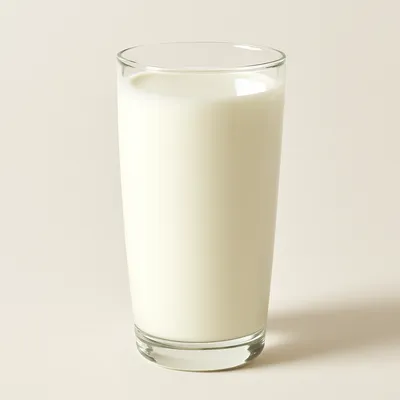
Soak the pieces in salted water (or in milk with a little salt) for at least 30 minutes to draw out moisture and bitterness, then drain and pat thoroughly dry.
Watch outSoak the aubergine in salted water at least 30 minutes, then pat bone-dry — this collapses the sponge so it fries crisp instead of soaking up oil.
- 34 min
Dredge the pieces in flour, shaking off the excess so they carry only a thin coat.
- 410 min
Deep-fry in plenty of hot olive oil at about 180°C, in small batches so the oil stays hot, until golden and crisp; drain on paper.
Watch outFry in small batches at about 180 degrees so the oil stays hot — crowd the pan and the temperature drops, giving a soggy, oil-logged crust.
- 52 min
Plate hot and drizzle generously with miel de caña (cane molasses), or serve the syrup alongside so the crust stays crisp.
Archive tool suggestions — not reviewed
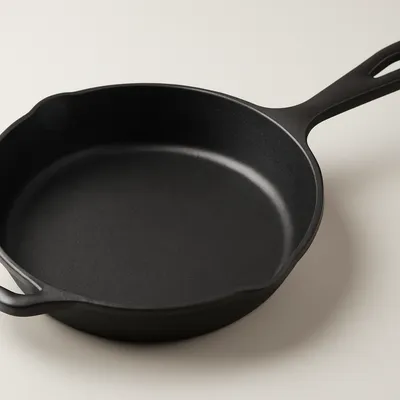
These legacy suggestions have not been evidence-reviewed and are not presented as required tools.