




Mojarra frita is the universal beach lunch of Colombia's Caribbean coast — sold at every Playa Blanca and Tayrona-park beach stall, every Cartagena seafood market, every Barranquilla riverfront restaurant. 'Mojarra' is its own deep-bodied freshwater/estuary panfish that closely resembles — and is commonly substituted by or conflated with — tilapia, but is not the same species (the Santa Marta version sometimes uses a striped local fish, mojarra rayada). The fish is always served whole: head, tail, and crispy fins. The technique came from Spanish coastal frying traditions adapted to local freshwater and estuary fish; the lime-and-salt marinade is the entire seasoning. Eating mojarra frita with your hands, picking meat off the bones, is the coastal ritual.
Break off a piece of mojarra's crispy skin with your fingers and pop it in your mouth — pure salt-and-lime flash crisp. Then peel back the skin to reveal moist white flesh; the cilantro perfume comes through from the cavity stuffing. Pick at the cheek meat (the best bite) with a fork. The dish is permanent vacation memory: Caribbean coast, sand, beer, ají on the side.
Scoring the fish at three points is critical: heat penetrates the thick flesh evenly via the cuts, the marinade reaches the bone, and oil contacts more surface area during frying for maximum crispness. The light flour dusting (vs heavy batter) creates a fritter-like crust without insulating the fish from the oil — the goal is crisp skin with juicy flesh, not a thick coating. Oil temperature at 180°C is the sweet spot: lower and the fish absorbs oil and goes greasy; higher and the skin burns before the flesh cooks.
Variations
Cartagena beach version uses whole tilapia; Santa Marta version sometimes uses local Sciaenid (mojarra rayada); upscale Cartagena restaurants serve a deboned version for tourists; Bocachica seafood version comes with coconut-rice and ceviche on the side.
On the Palate
Where Mojarra Frita sits in the Colombian flavor cloud
Ingredients
Serves 4


How it's made
5 steps · 25 min active + 20 min waiting
- 15 min
Take 4 whole tilapia (about 350g each), gutted and scaled with heads on. Score each side diagonally with 3-4 deep cuts to the bone.
Watch outCut three or four slashes clear down to the bone on each side — shallow scores and the thick flesh stays raw while the skin browns.
- 222 min
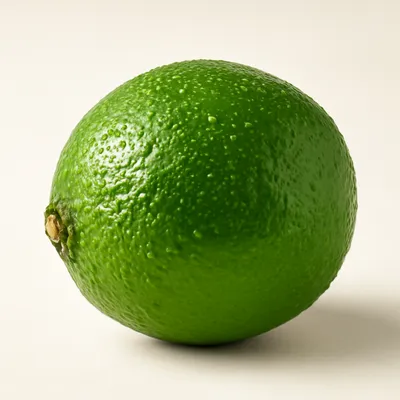
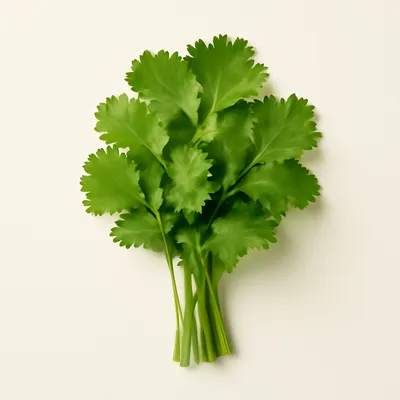
Marinate: rub fish (inside and out) with juice of 4 limes, 2 tbsp salt, 2 tsp ground pepper, 4 minced garlic cloves. Stuff cilantro sprigs inside the cavity. Marinate 20 min.
- 33 min
Dust marinated fish lightly with 100g all-purpose flour (or seasoned flour with paprika), shaking off excess. The flour should be a thin coating.
Watch outDust the fish with just a whisper of flour and shake off the rest — a thick coating steams instead of crisping the skin.
- 412 min
Heat 5cm vegetable oil in a deep pan or wok to 180°C. Carefully lower one fish in (oil will splatter from moisture); fry 5-6 min per side until skin is deep-golden and crispy, flesh is opaque, and the tail is brittle.
Watch outFry at one-eighty until the skin is deep gold and the tail snaps brittle — lower and it goes greasy, higher and the skin scorches before the flesh cooks.
- 55 min
Drain on paper towels. Repeat for remaining fish. Serve immediately with lime wedges, ají picante (Colombian green chili sauce), arroz con coco, and patacones.


