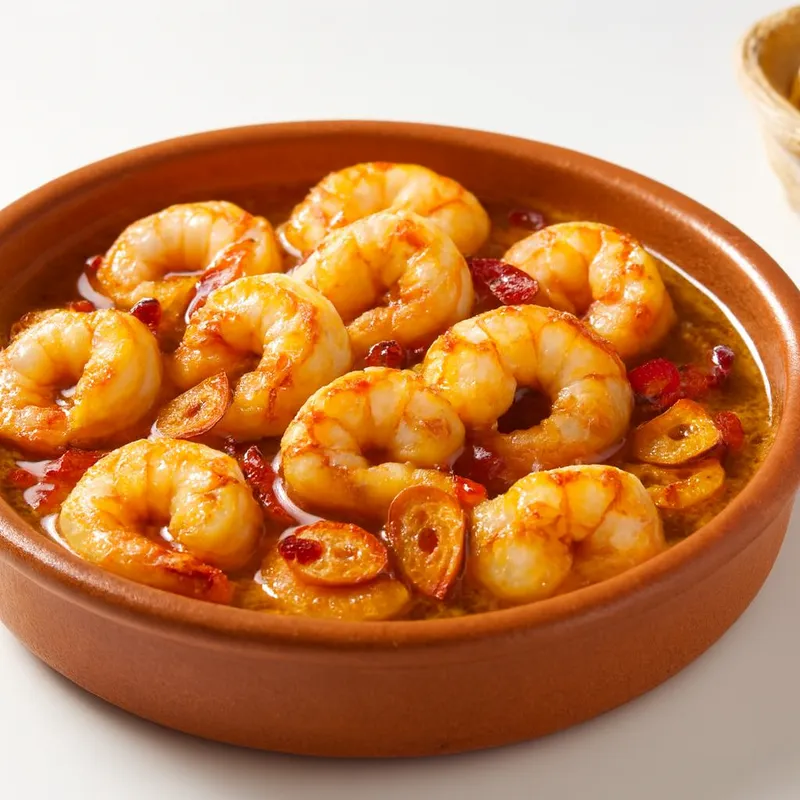
An eastern-Andalusian summer salad, most associated with Jaén, of finely diced raw tomato, green pepper, and (outside Jaén city) cucumber and onion, dressed with garlic and olive oil and very often topped with canned tuna and hard-boiled egg. It is a chunky, fork-eaten salad rather than a soup: the vegetables are cut small but stay distinct, never blended. The dressing is the signature — a mortar paste of garlic, salt, and sometimes cumin, in the Jaén version emulsified with cooked egg yolk and a stream of olive oil into a thick, alioli-like aliño. Served cold, it sits between a salad and gazpacho, with just enough juice at the bottom to mop with bread.




Pipirrana is a dish of the olive-growing eastern half of Andalusia, eaten across the provinces of Jaén, Granada, Málaga and Almería and, under related names, into Murcia and La Mancha. The word entered Real Academia dictionaries by the early 20th century, marked as an Andalusian regionalism and defined as a small salad made chiefly of cucumber and tomato 'prepared in a special way'; the lexicographer Antonio Alcalá Venceslada later described it as 'a kind of gazpacho with little or no water', which captures its place between salad and cold soup. The Jaén-city version is the most codified — peeled tomato, green pepper, garlic, tuna and hard egg, bound with abundant olive oil and no cucumber or onion — while looser huerta versions across the region add cucumber, onion and a garlic-cumin majado. As a raw-vegetable summer dish it belongs to the same Andalusian family as gazpacho and salmorejo but predates the blender entirely, built instead on the knife and the mortar.
Cold and crunchy: small cubes of tomato, pepper and cucumber that keep their bite, slick with a garlicky, faintly cumin-scented olive oil that pools at the bottom of the bowl. Where gazpacho is smooth and drunk from a jug, this is eaten with a fork, every spoonful a mix of distinct textures plus the soft give of egg and the saline flake of tuna. The garlic reads forward and raw, the tomato sweet and juicy, the oil rounding it all. It must go out fridge-cold — at room temperature the oil turns heavy and the raw garlic sharpens.
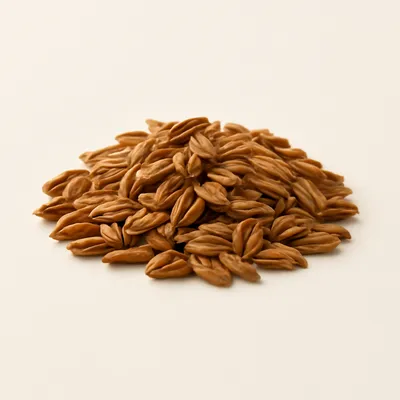
The defining technique is the aliño, made in a mortar. Garlic and coarse salt are ground to a paste — the salt acts as an abrasive that ruptures the garlic cells — and in the Jaén version a cooked egg yolk is worked in, then olive oil is dribbled in slowly while pounding. The yolk's lecithin and phospholipids coat the oil droplets and hold them suspended in the watery garlic juices, building a thick, stable emulsion much like alioli; cumin is often added to the majado for its warm, earthy note. The vegetables are diced rather than blended on purpose: keeping the cell walls largely intact preserves crunch and lets each piece stay distinct, which is exactly what separates a salad from a soup. Salting the diced tomato draws out water by osmosis, so it is often drained or its juices folded back into the dressing to keep the salad from going watery, then everything is chilled before serving.
Variations
The pipirrana de Jaén is the most defined: peeled tomato, green pepper, garlic, tuna and hard-boiled egg, bound with a yolk-and-oil emulsion and no cucumber or onion. The wider Andalusian and Granada huerta versions add cucumber and onion and lean on a garlic-cumin-salt majado, sometimes with a little soaked bread; tuna and egg are common but optional. In Murcia a related dish — sometimes called mojete — leans on heavily macerated onion, ñora peppers and salt cod, often with black olives, while in La Mancha a 'moje' or even a stewed version exists. It sits in the same eastern-Andalusian raw-vegetable family as gazpacho and salmorejo but stays a diced salad, never blended into a drinkable soup.
On the Palate
Where Pipirrana sits in the Spanish flavor cloud
Ingredients
Serves 4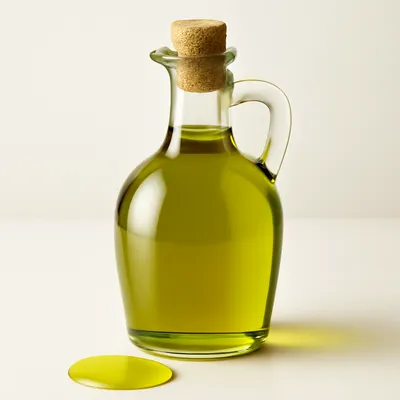


How it's made
6 steps · 25 min
- 110 min
Hard-boil the eggs, then cool, peel and set aside; separate the yolks if making the Jaén-style emulsion.
- 28 min
Dice the tomato, green pepper, cucumber and onion into small, even cubes; salt the tomato lightly and let it drain briefly.
Watch outDice the vegetables small and even, don't blend — keeping the cell walls intact preserves the crisp, juicy bite that defines pipirrana.
- 36 min
In a mortar, pound the garlic with coarse salt (and a pinch of cumin) to a paste; for the Jaén version, work in a cooked egg yolk, then dribble in olive oil while pounding to emulsify into a thick aliño.
Watch outDribble the oil in slowly while pounding the yolk paste — go too fast and the yolk's lecithin can't hold it, so the aliño splits instead of thickening.
- 43 min
Combine the diced vegetables in a bowl and fold through the dressing, loosening with a little of the reserved tomato juice and a splash of vinegar if you like.
- 52 min
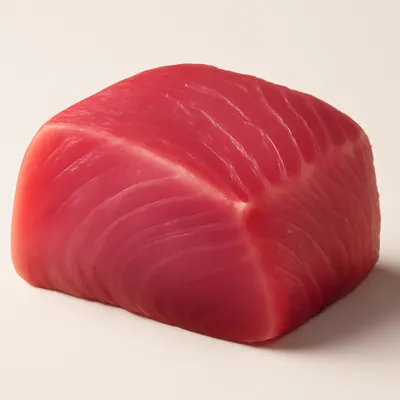
Top with flaked canned tuna and wedges or chunks of hard-boiled egg.
- 630 min
Chill thoroughly and serve cold, with bread to mop the dressing.
Archive tool suggestions — not reviewed
These legacy suggestions have not been evidence-reviewed and are not presented as required tools.