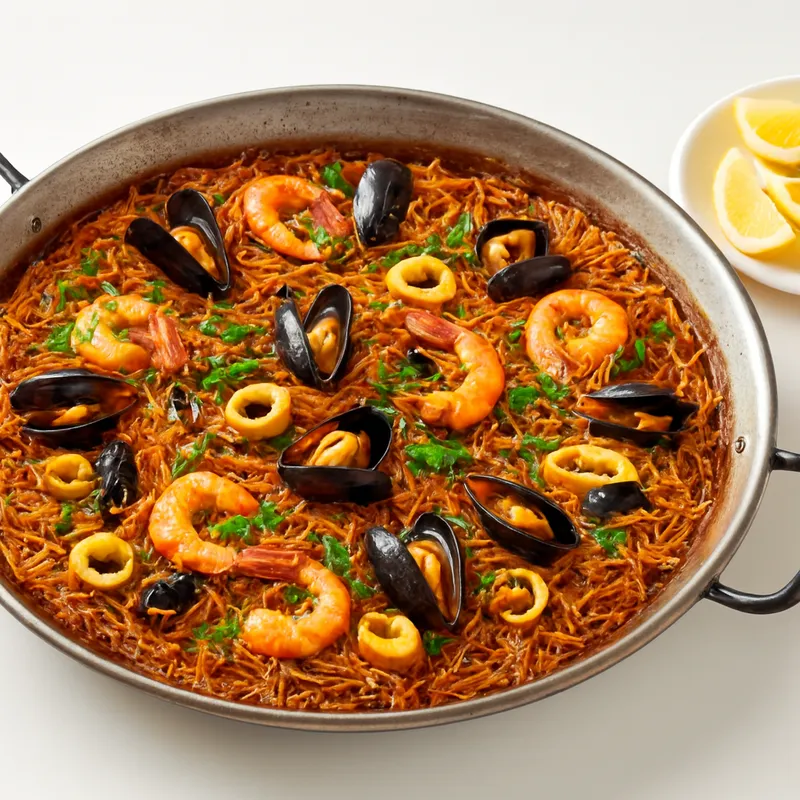
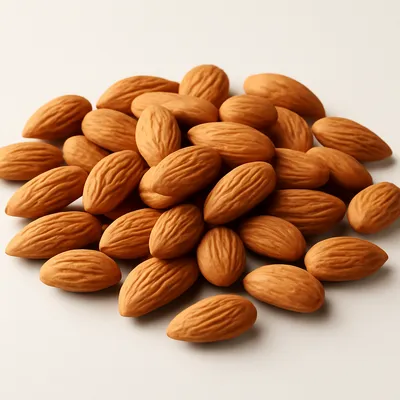
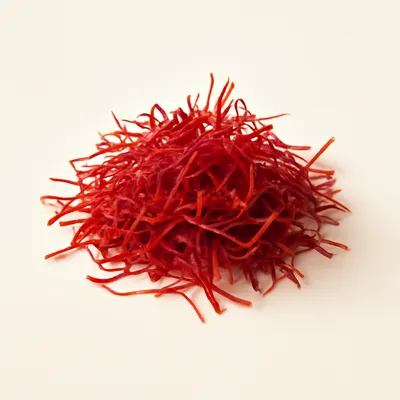
A braised spring-vegetable dish from Tudela, the market-garden town of southern Navarre. Each vegetable — artichoke, white asparagus, peas, broad beans — is trimmed and pre-cooked separately, then brought together and braised briefly with onion, garlic and diced ham. It is bound lightly and often finished with a mortar-pounded picada of garlic, parsley, fried bread, almonds and saffron, and slices of hard-boiled egg. Served warm as a vegetable main.
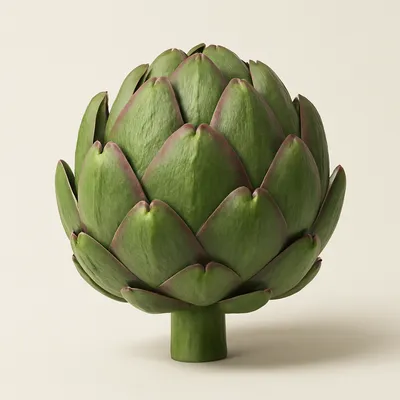




Tudela sits in the Ribera del Ebro, the fertile river plain of southern Navarre that is regarded as one of Spain's finest vegetable-growing regions. The local menestra is defined by the spring 'big four' grown there — artichokes, broad beans, peas and asparagus — and is cooked through the year with whatever the season offers. Unlike a stew, it is not a single boil: the technique of cooking each vegetable apart, to its own doneness, before assembling is the mark of the Tudela version.
A plate of distinct vegetables rather than a melted stew — each piece keeps its own shape and bite. Tender artichoke hearts, soft sweet peas and broad beans, and yielding white asparagus, all glossed in a light, ham-savoury sauce. The diced jamón adds salt and depth; the optional picada brings a faint nuttiness and the gold colour of saffron. Warm, gentle, springlike.
The point is separate cooking. Artichokes need acidulated water and a long simmer or they go grey and tough; peas and broad beans need only a quick blanch; asparagus is fragile and cooks fastest — boiling them together would leave some raw and others collapsed. Each is taken to its own doneness, then folded into a sofrito of sweated onion, garlic and ham so the flavours marry in a short final braise. The picada works as both thickener and seasoning: pounded almonds and fried bread bind the sauce, garlic and saffron flavour it, in the Spanish mortar-paste tradition.
Variations
A purist Tudela menestra leans hardest on artichoke and broad bean and can skip the picada, finished only with hard-boiled egg. Elsewhere in Spain a menestra de verduras is broader and may include carrot, green bean and potato. Some Navarrese cooks flour and fry the artichoke pieces before adding them; a leaner version drops the ham for a meat-free dish.
On the Palate
Where Menestra de Tudela sits in the Spanish flavor cloud
Ingredients
Serves 4

How it's made
5 steps · 40 min
- 120 min
Trim the artichokes down to the hearts and hold in acidulated water; shell the peas and broad beans; peel and cut the asparagus.
- 225 min
Cook each vegetable separately until just done — artichokes simmered, peas and beans blanched, asparagus briefly boiled — and set aside.
Watch outCook each vegetable to its own doneness separately — artichokes need a long simmer, asparagus only a quick boil; all in one pot leaves some raw and others collapsed.
- 310 min
Sweat chopped onion and garlic in olive oil, add diced jamón, then a spoon of flour to make a light base.
- 48 min
Fold all the vegetables into the base, moisten with a little stock and braise gently for a few minutes to bring together.
- 510 min
Pound a picada of garlic, parsley, fried bread, almonds and saffron, stir it in to thicken, and finish with sliced hard-boiled egg.
Watch outStir the almond-and-bread picada in to thicken at the end — it binds the sauce and carries the garlic and saffron; without it the braise stays loose and thin.
Archive tool suggestions — not reviewed
These legacy suggestions have not been evidence-reviewed and are not presented as required tools.