Round, fleshy 'pipi riggitani' peppers from Reggio Calabria, hollowed and packed with soaked breadcrumbs, pecorino, egg and parsley, then fried cut-side down before finishing in the oven. Province by province the stuffing shifts — pork or salsiccia in the Cosentino, bread-only in the Catanzarese, provola and mortadella around Reggio — a cucina povera classic that feeds a table with almost nothing.
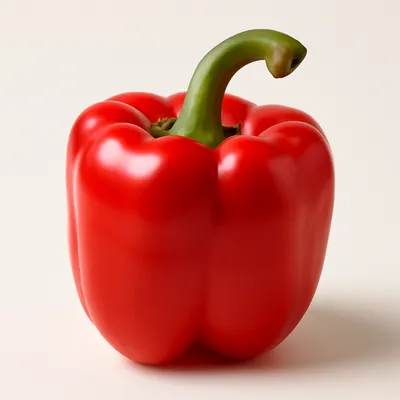


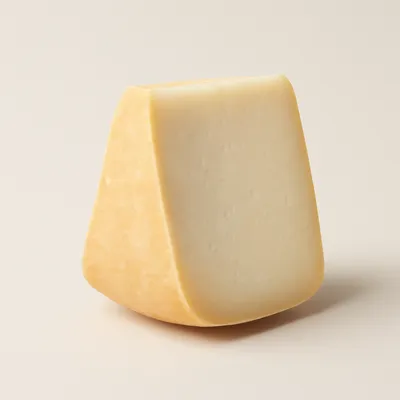


Pipi chini belong to the cucina povera tradition of Calabria, where stale bread, pecorino and summer peppers from the kitchen garden combined to feed large rural families from near-empty pantries. The small, round 'riggitani' peppers grown around Reggio Calabria proved ideal — thick-walled enough to hold stuffing without collapsing. Across generations each valley developed its own fill: meat in the Cosentino highlands, meatless in the Catanzaro plain, mortadella and provola near the coast — the variations mapping what each locality could afford.
A gentle resistance from the pepper skin gives way to a savory, herb-scented crumb filling — the frying crust adds a crisp counterpoint, while melted pecorino threads through every bite with salt and tang.
Soaking stale bread in water disrupts the gluten network, creating a pliable binder that sets when the egg proteins coagulate on heating. The initial frying at around 170°C triggers Maillard reactions on the exposed filling surface, building a sealed golden crust that holds the stuffing in place. In the oven at 180°C, egg proteins — primarily ovalbumin — coagulate fully between 70–80°C, firming the filling throughout, while pectin in the pepper walls breaks down above 85°C, transforming the flesh from crisp to silky-tender. Aged pecorino contributes free glutamates that amplify the umami depth of the entire stuffing.
Variations
The meatless version — breadcrumbs, capers, salted anchovies, San Marzano tomato and provola — is the older, Lenten-origin form. A Reggio coastal variant stuffs with mortadella and provola alone, then bakes without prior frying. Some households add raisins and pine nuts for an agrodolce note inherited from the region's Arab-Norman culinary history.
On the Palate
Where Pipi Chini sits in the Italian flavor cloud
Ingredients
Serves 4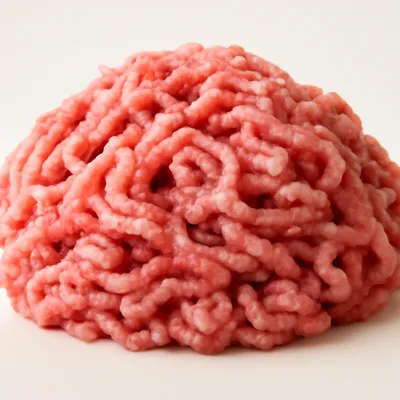
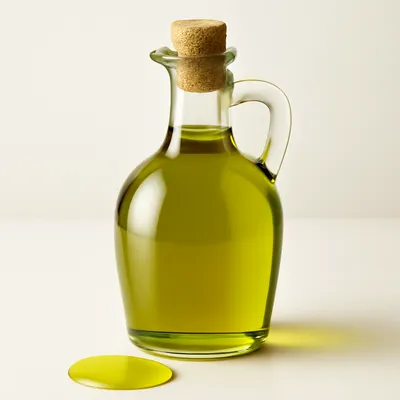
How it's made
7 steps · 30 min
- 110 min
Tear stale bread into chunks and soak in cold water for 10 minutes; squeeze out all excess moisture firmly with your hands.
Watch outSqueeze the soaked bread bone-dry — leftover water makes a slack filling that weeps and won't hold in the pepper.
- 210 min
Combine the squeezed bread, beaten egg, grated pecorino, minced garlic, chopped parsley, salt and pepper — and ground pork or sliced salsiccia if using — into a uniform stuffing.
- 35 min
Wash and dry the round riggitani peppers; slice off the tops to keep as lids and carefully scoop out seeds and white membranes with a small spoon.
- 45 min
Pack the filling firmly into each pepper, pressing so no air pockets remain; replace the pepper tops.
- 55 min
Pour enough olive oil into a wide pan to cover the base generously; heat to about 170°C and place peppers stuffed-side down; fry until the filling surface is deep golden and sealed, about 5 minutes.
Watch outFry stuffed-side down until the surface is deep gold and sealed — that crust locks the filling in for the oven.
- 630 min
Arrange peppers upright in a baking dish, drizzle with a little olive oil, and roast at 180°C for 30 minutes until the pepper walls are tender and the filling is cooked through.
Watch outRoast until the pepper walls go silky-soft — crisp walls mean the flesh hasn't broken down yet, give it the full half hour.
- 710 min
Remove from the oven and rest for 10 minutes before serving warm or at room temperature.
Archive tool suggestions — not reviewed
These legacy suggestions have not been evidence-reviewed and are not presented as required tools.


