
An ancient shepherds' dish of the Abruzzo mountains: tough mutton from an old ewe, cut up bone-in and stewed for hours in a big copper cauldron — the callara or cottora — with onion, tomato, chili, wine and wild herbs such as bay, rosemary and thyme, until the meat falls from the bone in a deep, rich broth. It is the slow, communal pot of the high pastures, eaten as a hearty main and tied to the same pastoral world that gave Abruzzo its famous skewers of mutton, the arrosticini.
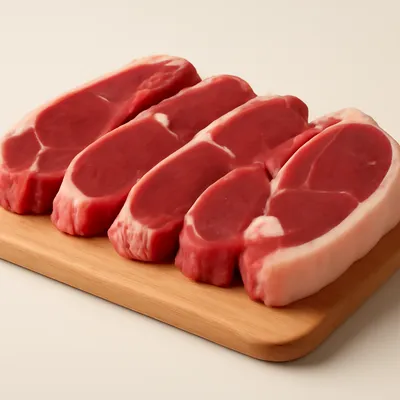



Pecora alla cottora is one of the oldest dishes of Abruzzo's pastoral tradition, of the mountain country of the Marsica, the L'Aquila basin and the Monti della Laga. It is said to date to the age of the transumanza, the seasonal droving of vast flocks along the grass droveways, the tratturi, between the Abruzzo highlands and the Tavoliere plain of Puglia: on the long trek the shepherds wasted no animal, and a ewe lost to age, illness or injury was butchered and stewed for hours in the copper pot they carried, the callara, with whatever herbs, vegetables and wine were to hand. The dish takes its name from that pot — callara in the Teramo area, cottora or cutturo around L'Aquila, pecora ajo cotturo in the Marsica — an old cauldron hung over the open fire. It belongs to the same mutton-eating shepherd culture as the arrosticini, the little skewers of castrated-sheep meat that are Abruzzo's best-known street food.
Forkfuls of dark, deeply savory mutton, slumped to falling-apart tenderness and pulling cleanly off the bones, in a brick-red broth thick with melted gelatin and dotted with fat. The flavor is frankly muttony — older sheep, gamy and strong — tamed by the long cook and lifted by wine, the resinous edge of rosemary and bay, and a building heat of chili. Bread alongside soaks up the rich liquor. A good pot is tender and harmonious, the strong meat rounded and softened; a rushed one stays chewy and sharply muttony, the broth thin and greasy rather than rich.
Mutton from an old ewe is tough, lean and full of connective tissue, and only long, low, wet cooking will redeem it: held at a bare simmer for four to six hours, the collagen in the sinew and around the bones slowly hydrolyzes to gelatin, the muscle fibers loosen, and the meat turns from chewy to falling-apart, while the dissolved gelatin gives the broth its body. Cooking the meat bone-in adds marrow and more gelatin and deepens the flavor of the broth. The wine's acidity helps tenderize and balances the fat, while the long simmer mellows the strong, gamy taste of the old sheep; the herbs and chili are there to season and to cut through the richness of a fatty, assertive meat.
Variations
The recipe shifts with the valley: the name itself changes — alla callara, alla cottora, cutturo, ajo cotturo — and cooks differ on the aromatics, drawing on onion, garlic, carrot, celery, bay, rosemary, thyme, juniper, pepper and chili, with some adding the bitter mountain liqueur genziana. Older, more austere versions used the whole sheep, bones and all, for a fiercer flavor, while many cooks now cut the meat into chunks and trim some fat, which also shortens the cooking. The dish is sometimes made tomato-light or tomato-free in the most traditional renderings. It stands alongside Abruzzo's other great mutton preparation, the grilled arrosticini.
On the Palate
Where Pecora alla Cottora sits in the Italian flavor cloud
Ingredients
Serves 8


How it's made
7 steps · 40 min
- 115 min
Cut the mutton into large bone-in pieces and trim off the heaviest external fat.
- 215 min
Soften chopped onion in olive oil in a large heavy pot, then add the mutton and brown it lightly all over.
- 35 min
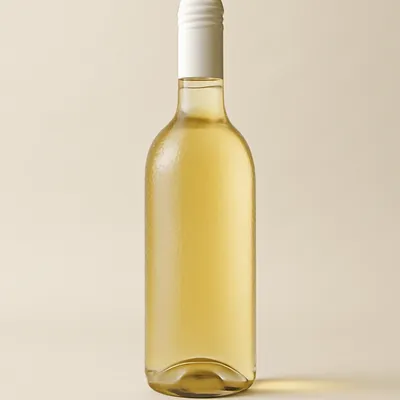
Pour in the wine and let it bubble until the raw alcohol smell cooks off.
Watch outLet the wine bubble until the raw alcohol smell cooks off before adding the rest — its acidity tenderizes the tough old meat and cuts the fat.
- 45 min
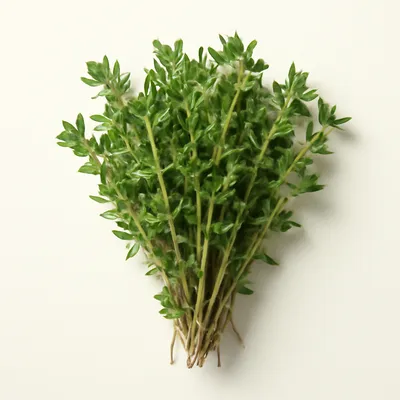
Add tomato, chili and the herbs — bay, rosemary, thyme — with salt, then cover with water.
- 5300 min
Bring to a gentle simmer and cook, partly covered, for 4 to 6 hours, until the meat is falling from the bone.
Watch outHold it at a bare, gentle simmer for four to six hours until the meat falls from the bone — a hard boil toughens tough mutton instead of melting it.
- 610 min
Skim excess fat, check the seasoning, and let the broth reduce to a rich consistency.
- 73 min
Serve the mutton hot in its broth, with plenty of bread.
Archive tool suggestions — not reviewed
These legacy suggestions have not been evidence-reviewed and are not presented as required tools.



