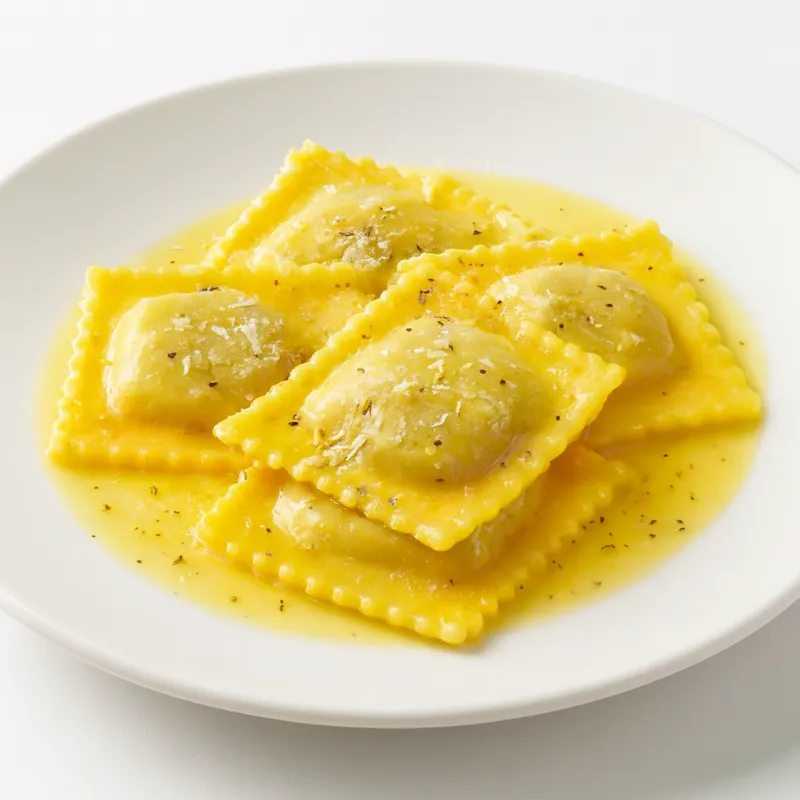
Pecora in Cappotto is the foundational dish of Sardinia's pastoral heartland — mature mutton simmered for three to four hours in water with bay, myrtle, thyme, celery, onion and potato until the meat is fall-apart tender and the broth is fragrant and silky. Born in the sheepfolds (ovili) of Barbagia and associated above all with the shepherds of Orgosolo, the dish celebrates older breeding ewes rather than discarding them, and the communal pot rather than the individual cut. Meat and broth are served together at the table, traditionally alongside moistened pane pistoccu and a glass of Cannonau.
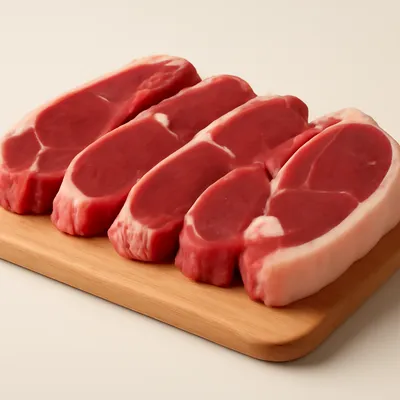

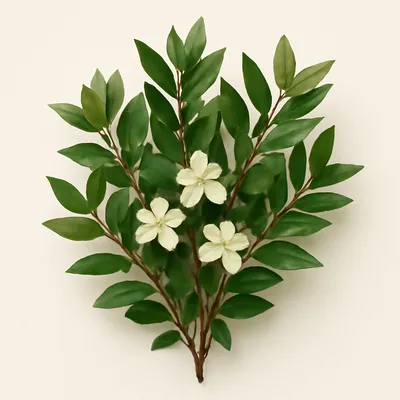
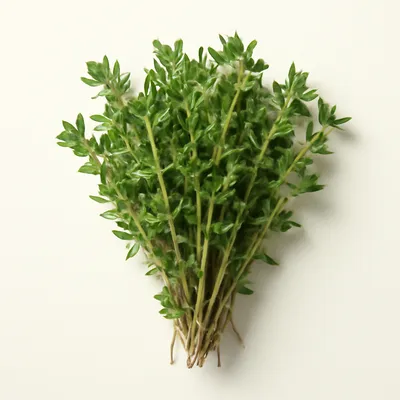

Pecora in cappotto is the emblematic dish of the Barbagia highlands of central Sardinia, a region that has maintained some of Europe's most continuous pastoral traditions. The name's etymology is contested: the prevailing reading connects "cappotto" to Spanish "capote" (coat), interpreted as the vegetables draped over the meat like a coat, while a second theory links the name to the fleece of an unshorn sheep. The dish is tied above all to Orgosolo and the transhumance shepherds who prepared it at field ovens in winter. At Ploaghe, a dedicated festival held since 1980 during Ferragosto has grown into one of the island's most attended celebrations of traditional food.
Yielding, long-fibred mutton with a pronounced gamey depth and mineral richness absent from younger lamb — the simmering liquor carries stacked layers of myrtle and bay that coat the palate, and the gelatin-rich broth leaves a silky, clinging mouth-feel that lingers well after each spoonful.
Mature mutton contains far higher collagen concentrations in its connective tissue than young lamb; sustained simmering at 85–90 ℃ converts collagen to gelatin over three to four hours, enriching the broth and allowing muscle fibres to separate without shredding. The aromatic herbs — particularly myrtle (primary volatiles: myrcene, linalool) and bay (eucalyptol, cineole) — release fat-soluble compounds that bind to the mutton's intramuscular fat, driving herbal fragrance into the meat itself rather than remaining only in the water phase. Beginning with cold water and a long initial skim draws out soluble proteins and blood before they can cloud the broth, yielding a clearer, more refined cooking liquor.
Variations
Some versions of the Barbagia preparation add wild fennel or rosemary alongside myrtle; coastal variations occasionally use a splash of dry white wine in place of part of the water. The strained broth is sometimes used separately to dress fregola (Sardinian toasted pasta pearls) or to moisten pane pistoccu as a first course before the meat arrives. Cannonau — Sardinia's Grenache-based red with high tannin and dark fruit — is the uncontested pairing.
On the Palate
Where Pecora in Cappotto sits in the Italian flavor cloud
Ingredients
Serves 6

How it's made
8 steps · 15 min
- 15 min
Rinse mutton pieces thoroughly under cold water; place in a large heavy pot and cover generously with cold water.
- 215 min
Bring to a full boil over high heat; skim all foam, fat and blood proteins that rise to the surface over the first 10–15 minutes — do not rush this step.
Watch outSkim off every bit of grey foam in the first ten minutes before you add anything — this is what gives you a clean, clear broth instead of a muddy one.
- 35 min
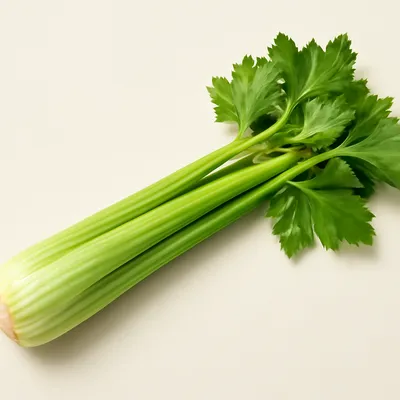
Add bay leaves, myrtle sprigs, thyme, celery stalks and halved onion; season generously with salt; reduce heat to a bare simmer (surface just trembling).
Watch outOnce the aromatics are in, drop it to a bare tremble on the surface; a hard boil toughens the mutton and clouds the broth.
- 4165 min
Simmer partially covered for 2.5–3 hours, skimming occasionally, until the meat is beginning to pull away from the bone.
- 540 min
Add whole peeled potatoes and simmer for a further 40 minutes until potatoes are fully cooked and have absorbed the herbed broth.
- 65 min
Test meat with a fork — it should yield effortlessly; remove meat and potatoes to a large serving platter.
Watch outThe meat is ready when a fork slides in with no resistance and it just starts leaving the bone — rush it and it stays chewy.
- 75 min
Taste the broth and adjust salt; strain if a clearer result is desired, then ladle generously over the meat and potatoes on the platter.
- 85 min
Serve immediately with pane pistoccu moistened in broth on the side and a glass of Cannonau.
Archive tool suggestions — not reviewed
These legacy suggestions have not been evidence-reviewed and are not presented as required tools.