
An ancient Sicilian purée of dried fava beans, eaten across the island as a thick soup or a soft mash. Dried, skinned fava beans are soaked, then simmered for a long time with olive oil and, very typically, wild fennel, until they collapse entirely into a smooth, dense cream needing little more than salt and good oil. It is served loose and soupy, often over bread or with pasta stirred through, finished with raw olive oil and pepper; left to cool it firms up and can be sliced and pan-fried the next day. It is a classic of cucina povera, and in much of Sicily it is the dish of the feast of Saint Joseph on 19 March.
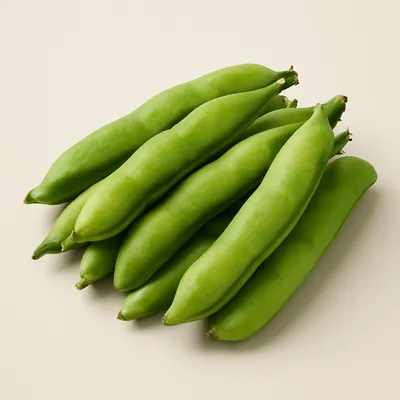
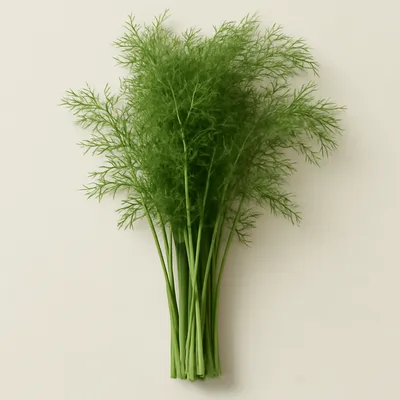


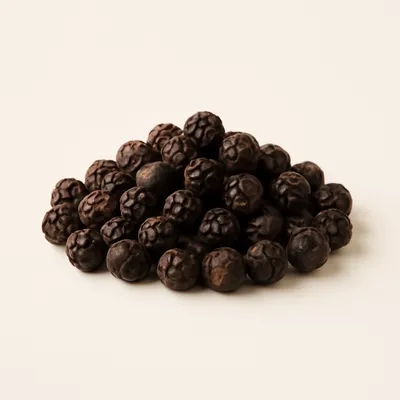
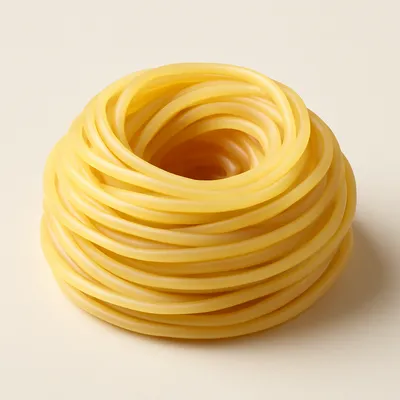
Maccu is one of the oldest dishes of Sicily, a peasant staple of dried legumes whose form long predates any recipe book; it is generally traced back to antiquity and is often said to descend from a Roman pulse-mash, though such early lineage cannot be documented precisely. The name comes from the Latin «maccare», to crush or pound to a pulp, naming the texture of the broken-down beans. Dried favas were the cheap protein of the rural poor and were known across southern Italy as «la carne dei poveri», the meat of the poor. The dish carries a strong devotional link to Saint Joseph, patron of many Sicilian towns: on his feast, 19 March, families prepare maccu in his honour, a tradition tied to the bean's role as a food that sustained the population through years of famine.
Hot from the pot it is thick and velvety, almost pourable, the favas cooked so far down that no skins or whole beans remain — just a smooth, earthy, slightly sweet bean cream. The wild fennel runs all through it, green and faintly aniseed, lifting what is otherwise a deep, mellow, savoury base; a thread of raw olive oil and a grind of pepper sharpen it at the table. Spooned over toasted country bread, the bread softens into the purée. The next day, cooled and set firm, a slice fried in oil turns crisp and golden outside and creamy within. Done badly it is gluey and flat, or the favas are undercooked and grainy; done well it is silky, well-oiled, and clearly perfumed with fennel.
The whole dish hangs on breaking dried favas down completely. Drying and storing the beans firms their starch and protein; long soaking rehydrates them and skinning removes the tough seed coat that would otherwise stay leathery and gritty. With gentle, prolonged simmering the bean's starch granules swell and gelatinise and its cell walls soften and burst, so the favas no longer hold their shape but disperse into the cooking water as a thick, naturally creamy purée — no flour or thickener needed, the body comes entirely from the dissolved bean starch. Stirring near the end and a generous stream of olive oil help the starch and oil come together into a smooth, glossy mash rather than a watery one. As it cools, that gelatinised starch sets, which is exactly why a cold slab holds together firmly enough to be cut and fried the next day.
Variations
Recipes vary town to town and with the season. The classic dry-fava version with wild fennel is the Lenten and Saint Joseph's dish; spring brings maccu made from fresh young favas, lighter and greener. Many cooks stir short pasta — broken spaghetti or ditali — into the purée to make «maccu di fave con la pasta», a one-pot meal. Onion or wild fennel are common aromatics, and some versions add tomato, chard, or other greens. Beyond favas, «maccu» names other long-cooked legume purées in Sicily, and in some areas it is specifically a dish of San Giuseppe under the name maccu di San Giuseppe. The cold, set-and-fried slices are a thrifty second life of the same pot.
On the Palate
Where Maccu di Fave sits in the Italian flavor cloud
Ingredients
Serves 4
How it's made
8 steps · 12 hours
- 110 min
Soak the dried skinned fava beans in plenty of cold water for at least 12 hours, changing the water once if you can.
Watch outSoak the skinned dried favas at least 12 hours until fully rehydrated — under-soaked beans never break down into the creamy purée.
- 28 min
Drain the favas and put them in a heavy pot with fresh water to cover well, a good glug of olive oil and a few sprigs of wild fennel.
- 3120 min
Bring to a gentle simmer and cook slowly, stirring now and then and topping up with hot water as needed, until the beans collapse, about 2 hours.
Watch outSimmer gently and slowly until the beans collapse, about 2 hours — the body comes entirely from dissolved bean starch, so they must fully break apart, no flour needed.
- 410 min
Stir and break up the beans, mashing against the side of the pot, until you have a smooth, thick purée; season with salt.
Watch outMash against the pot side until smooth and thick — any whole beans left mean a lumpy maccu instead of a creamy one.
- 510 min
If serving with pasta, cook short pasta until al dente and fold it through, loosening with a little of the cooking water.
- 63 min
Adjust the consistency and seasoning, keeping it soft and soupy.
- 73 min
Serve hot in bowls, finished with a thread of raw olive oil and a grind of black pepper, over toasted bread if you like.
- 810 min
For the next day, pour any leftovers into a dish to set firm, then slice and pan-fry in oil until crisp and golden.
Archive tool suggestions — not reviewed
These legacy suggestions have not been evidence-reviewed and are not presented as required tools.


