
La Spezia three-bean soup — chickpeas, cannellini beans, and wheat berries soaked separately, simmered together with just water and salt until creamy-tender, served with olive oil and pepper — the bare cucina povera of the eastern Ligurian port city.
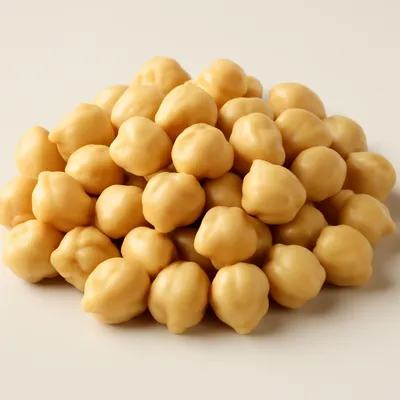


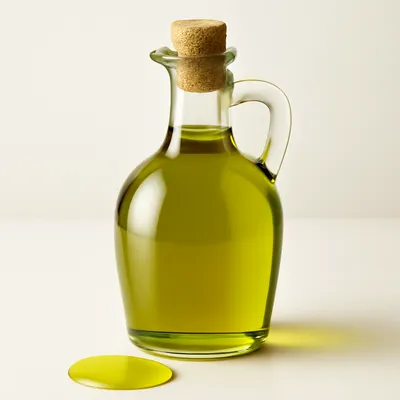


Mesciua (also mes-ciüa in La Spezia dialect, 'mixture') is the iconic poor-kitchen dish of La Spezia, born in the docks. Dockworkers in the port (the legend is usually traced to the medieval period, around the 14th century, not the 19th) would salvage spilled grain and legumes from broken bags off the ships — chickpeas, beans, wheat berries — and bring them home to their wives who cooked them together (since the small portions weren't enough individually). The result was a soup that had no recipe, just whatever was salvaged. The dish became the city's identity dish in the 20th century, codified by 'three-and-three' (three legume types, three minimal ingredients beyond: water, salt, olive oil). La Spezia restaurants serve mesciua as a primo piatto; the simplest are the best. Often a single piece of bread is the only accompaniment.
The bowl arrives murky-white with three distinct components visible: round chickpeas, white cannellini, golden wheat berries — all in a thick legume-starchy broth. First spoonful: olive oil hits the tongue first (this is why oil quality matters so much), then the creamy chickpeas, then the slightly firm wheat berries that give textural counterpoint, then the soft cannellini. The pepper is the only assertion. The dish is intentionally austere — no garlic, no onion, no herbs, no tomato. The point is the legume-and-oil dialogue in pure form. This is the most cucina povera of all cucine povere, and that's the appeal.
Cooking each legume separately is essential because they have wildly different cook times — chickpeas take 90 min, cannellini 60, wheat berries 45. Combining at the start would result in undercooked or mushy components. The chickpeas' cooking liquid becomes the dish's broth — chickpea-cooking water is naturally starchy and creamy, more flavorful than just water. Salt is added AFTER tenderness because salt during cooking hardens legume skins and extends cook time. The olive oil drizzled on top (raw, not cooked in) preserves its volatile aromatic compounds — heating destroys peppery polyphenols.
Variations
La Spezia canonical: chickpea + cannellini + wheat berry, water + salt + olive oil; Lerici variant adds a bay leaf during cooking (debated authenticity); modern restaurants serve mesciua with a poached egg or a slice of focaccia di Recco on top (additions, not improvements); commercial canned bean mesciua is fundamentally not mesciua — the dish is about the cooking process; a 'mesciua arricchita' (enriched) version with pancetta and onion is a different dish, not authentic mesciua; the legume quality matters enormously — Ligurian wheat berries from local farms are the gold standard.
On the Palate
Where Mesciua sits in the Italian flavor cloud
Ingredients
Serves 6
How it's made
6 steps · 30 min active + 11 hours 30 min waiting
- 1725 min
Day before — soak each separately: 150g dried chickpeas in cold water; 150g dried cannellini beans in cold water; 100g hulled wheat berries (farro) in cold water. Soak each minimum 12 hours.
- 292 min
Drain each separately. Place chickpeas in a heavy pot with 2L cold water; bring to a boil; reduce heat; simmer 90 min (do not salt yet — salt before tenderness slows cooking).
Watch outSimmer the legumes in separate pots and don't salt yet — salt now toughens the skins and stretches the cook time.
- 365 min
While chickpeas cook, in a separate pot, simmer cannellini in 1.5L cold water for 60 min from boil. In another pot, simmer wheat berries in 1L water for 45 min from boil.
- 45 min
Combine: drain wheat berries; drain cannellini; combine both with chickpeas (and chickpeas' cooking liquid — this becomes the soup's broth). Liquid should just cover all the legumes — if too dry, add hot water; if too wet, simmer uncovered to reduce.
- 520 min
Season: add 1 tbsp salt + freshly ground black pepper (generously). Simmer 15 min more to marry flavors. Adjust salt; remove from heat. Rest 10 min.
Watch outOnly salt once the beans are fully tender — this is also where you thin with hot water or reduce until the broth just clings to the legumes.
- 68 min
Serve: ladle into deep bowls; drizzle generously with raw extra-virgin Ligurian olive oil (the better the oil, the better the dish); grind more black pepper on top. No herbs, no garnish, no flourish. The dish is intentionally austere. Serve with a slice of bread and a glass of Vermentino. Eat slowly.
Watch outPour the good olive oil over raw at the bowl, never cooked in — heat kills its peppery aroma, and here it's the whole point.
Archive tool suggestions — not reviewed
These legacy suggestions have not been evidence-reviewed and are not presented as required tools.


