
The signature one-pot rice dish of Novara, in eastern Piedmont, built on the rice paddies of the Po plain. A large-grain rice (traditionally Razza 77 or Arborio) is toasted, then cooked risotto-style in a vegetable-and-pork broth made with borlotti beans, Savoy cabbage, carrot, celery, onion and tomato. Its defining note is salam d'la duja — a soft local salami matured submerged in lard — crumbled and rendered into the soffritto, with a splash of red wine. It is served as a single, substantial main course, looser and soupier than a classic risotto.


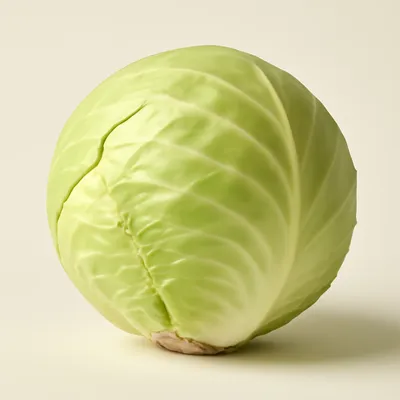


A peasant rice dish of the Novara countryside, where rice has been grown on the Po plain since the late Middle Ages. The name descends from the Latin panicum (foxtail millet), the grain that filled this kind of porridge-stew before rice cultivation spread north and replaced it. Paniscia is the near-twin of panissa, the version of neighbouring Vercelli; both share the same root, but the Vercelli panissa is plainer — a simpler meat-and-vegetable broth, often without the cabbage and tomato, while the Novara paniscia carries the fuller vegetable base and, characteristically, the local salam d'la duja.
Loose and creamy rather than stiff — closer to a thick rice soup than a tight risotto, and meant to spread slightly on the plate. The grains stay distinct with a firm core, suspended in a brick-tinged, savoury broth. Soft borlotti beans give a mealy sweetness; the salam d'la duja melts into a faintly funky, lardy richness; the red wine and tomato sit underneath as a low, tangy backbone. Each spoonful carries rice, bean and a thread of salami at once.
Like all risotto, the texture comes from starch: toasting the rice first sets the grain so it releases surface amylopectin slowly, while ladles of hot broth and steady stirring coax that starch out into a creamy bind. The borlotti beans are simmered separately into the broth so their cooking liquid thickens the base. The salam d'la duja works because curing under lard keeps it soft and high in fat — rendered early in the soffritto, that fat carries the salami's cured, umami-rich flavour through the whole pot. Red wine is added after the toasting so its acidity and sugars reduce into the rice.
Variations
Panissa, the Vercelli sibling, is the closest variant — built on a leaner broth and usually without the Savoy cabbage and tomato of the Novara version. Within Novara, the proportion of vegetables and the inclusion of pork rind or a knuckle vary household to household; some cooks finish with a little extra wine, others keep it austere. The salam d'la duja is regarded as essential to the authentic Novara version, but elsewhere a plain soft salami is substituted.
On the Palate
Where Paniscia sits in the Italian flavor cloud
Ingredients
Serves 4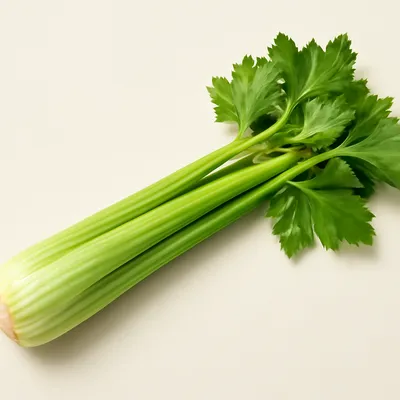



How it's made
7 steps · 1 hour 10 min active + 40 min waiting
- 140 min
Soak dried borlotti beans overnight, then simmer them with a soffritto base of carrot, celery, onion and a little tomato to make a savoury vegetable-and-bean broth; keep it hot.
- 28 min
Render a soffritto of finely chopped onion in butter or lard, add the crumbled salam d'la duja and let its fat melt out.
- 33 min
Add the rice and toast it in the fat for a couple of minutes until the grains turn translucent at the edges.
Watch outToast the rice in the fat until the grains turn translucent at the edges — this seals the grain so it releases its starch slowly for a creamy bind.
- 44 min
Pour in red wine and stir until it has reduced and the alcohol cooked off.
- 55 min
Add the shredded Savoy cabbage, then begin adding the hot bean broth a ladle at a time, stirring steadily and waiting for each addition to be absorbed.
Watch outAdd the hot broth one ladle at a time, waiting for each to be absorbed before the next, stirring steadily — dumping it in all at once boils the rice instead of coaxing out the starch.
- 618 min
Continue adding broth and stirring for about 18 minutes, until the rice is cooked with a firm core and the beans are folded through.
Watch outStop while the rice still has a firm core and serve it loose and creamy — cooked to mush and stiff, it's no longer risotto.
- 73 min
Adjust salt and let it rest a minute; serve loose and creamy, not stiff.
Archive tool suggestions — not reviewed
These legacy suggestions have not been evidence-reviewed and are not presented as required tools.


