
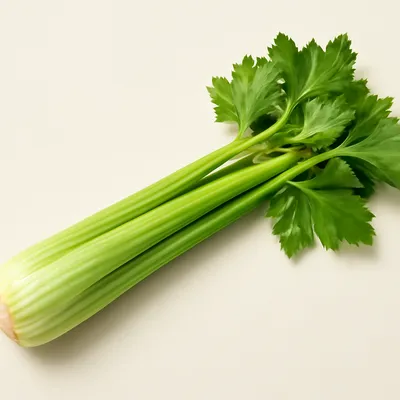
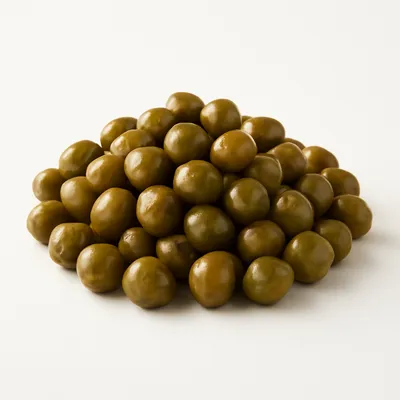
The classic street food of Florence: the cow's fourth stomach, the abomasum, slow-simmered and served in a bread roll. The abomasum — distinct from the honeycomb tripe of the other stomachs — is cleaned and cooked for a couple of hours in a broth with tomato, onion, parsley and celery until very tender, then sliced thin. It is piled into a plain Tuscan roll, usually topped with salsa verde (a green sauce of parsley, garlic, capers and oil) and often a spoonful of hot sauce; the top of the bun is dipped briefly in the cooking broth so it drips. Sold from kiosks and carts across the city, it is eaten standing, by hand.




Lampredotto is a Florentine dish rooted in cucina povera, the cooking of the working poor, who made the cheap offal left after the prized cuts had been sold into a filling, inexpensive meal; it is associated with the busy markets of the city and has been sold on its streets for generations. The name comes from lampreda, the lamprey — an eel-like fish once found in the Arno and prized at noble tables — because the pleated, elongated shape and colour of the cooked abomasum were thought to resemble it, a humble dish borrowing a grand name. The exact date of origin is unrecorded; it is a long-standing folk tradition rather than a creation with a fixed author or year. Lampredotto remains a living everyday food in Florence, sold from the kiosks of the trippai.
Thin slices of stomach, soft and yielding with a faint, pleasant chew at the edge, in a roll soaked at the top with savory broth. Properly cooked it is clean and meaty, not strong or barnyard — closer to tender braised beef than to anything obviously offal — its mild flavour a backdrop for the sauces. The green salsa verde brings sharp, herby, garlicky brightness with the tang of capers; the hot sauce adds a chili kick. The bread is the structure: firm crust, the dipped top soft and dripping, soaking up the juices. The first bite is broth, herb and a little heat, then the tender meat. Cooked too little it is rubbery; cooked and seasoned right it is a soft, savory, sloppy sandwich.
The whole point is the long, gentle simmer that turns a tough muscular stomach tender. The abomasum is dense with connective tissue and muscle; held in barely-simmering broth, below a rolling boil, for around two hours, its collagen slowly hydrolyzes into gelatin, which is what takes it from rubbery to soft and gives the meat and broth their body. Thorough cleaning beforehand is essential to remove any strong odour, so the cooked result tastes clean. The aromatics and tomato in the cooking liquid both flavour the meat and build a rich broth, which then does double duty: it is the cooking medium and the dip that soaks the bread. Slicing the cooked stomach thin makes it easy to bite through in the sandwich. Salsa verde is added raw at the end — its raw garlic, parsley and caper sharpness is meant to cut the soft richness, and cooking it would dull that.
Variations
The two standard dressings are salsa verde and a spicy sauce, used singly or together; some stands also offer the bun's top dipped (bagnato) in broth or kept dry. Lampredotto sits alongside Florence's other tripe street food, trippa alla fiorentina, which uses the honeycomb and other stomachs stewed with tomato and served in a bowl or roll rather than the abomasum. Beyond the sandwich, lampredotto is also eaten as a plate (in zimino, stewed with chard, or simply in its broth). Offal-rich, broth-cooked tripe dishes recur across Italy — Roman trippa alla romana, Milanese busecca, Neapolitan o' pere e o' musso — each a local take on cooking the humble cuts.
On the Palate
Where Lampredotto sits in the Italian flavor cloud
Ingredients
Serves 4


How it's made
7 steps · 20 min
- 110 min
Rinse and clean the abomasum well to remove any strong smell.
Watch outClean the abomasum thoroughly first to strip any strong odor — a rushed clean leaves it smelling off no matter how long you cook it.
- 25 min
Put it in a pot with water or light broth, tomato, onion, celery, parsley and a little salt.
- 3120 min
Bring to a bare simmer and cook gently for about two hours, until the stomach is very tender.
Watch outKeep it at a bare simmer about two hours until very tender — below a rolling boil the collagen turns to gelatin; boil it hard and it stays rubbery.
- 410 min
Meanwhile make the salsa verde by chopping parsley, garlic and capers and mixing them with olive oil.
- 58 min
Lift the cooked lampredotto from the broth and slice it thin, keeping the broth hot.
- 65 min
Split a plain Tuscan roll, fill it with the warm sliced lampredotto and spoon over salsa verde and hot sauce.
- 73 min
Briefly dip the top of the bun into the hot broth so it softens and drips, then serve at once by hand.
Archive tool suggestions — not reviewed
These legacy suggestions have not been evidence-reviewed and are not presented as required tools.


