Rocciata di Assisi is a coiled autumn pastry from Assisi, Spello and Cannara, a thin sheet of dough wrapped around a spiced fruit-and-nut filling and curled into a horseshoe or snail spiral. The near-transparent, unleavened dough—rolled so thin, they say, you could read a newspaper through it—is spread with chopped apple, walnuts, raisins, cinnamon, lemon and grated dark chocolate or cocoa, rolled tight and baked. Toward Foligno the crust is brushed scarlet with alkermes. Its name comes from arrocciare, "to coil"; nearer Foligno, Trevi and Spoleto the same pastry is called attorta or 'ntorta.




The rocciata is one of Umbria's oldest sweets, a rolled pastry of the harvest and of the All Saints' and All Souls' season, made from late autumn through winter's end. Its kinship with strudel is usually put down to the medieval Lombard presence in central Italy; the folk tale of Austrian soldiers, by contrast, has no historical support. Some trace it further back still, to the ancient Umbrians, noting that the bronze Eugubine Tablets record a ritual offering-cake, tensendo, thought to resemble it. The name, like its variants attorta, 'ntorta and tortella, derives from arrocciare or torcere, "to coil" or "to twist." It is made as rocciata around Foligno, Spello and Cannara, as attorta around Spoleto, and as tortella toward Terni and Narni; the Foligno version has sought DOP protection, and the pastry carries PAT recognition in Umbria and the Marche. A savoury version filled with cooked greens, the fojata or erbata, exists alongside the sweet.
A crisp, flaky, paper-thin crust gives way to a dense, moist coil of fruit and nuts—soft sweet apple, the crunch and butteriness of walnuts, chewy raisins, warm cinnamon and a bitter-dark thread of chocolate, all lifted by lemon. Where alkermes is used, the red crust adds a faint floral, spiced sweetness.
With no leavening, the dough depends on gluten worked to full extensibility and then rested so it relaxes and can be stretched almost translucent without tearing; the white wine and oil lubricate the gluten and, with the wine's alcohol, keep the sheet from turning tough. Rolled thin and coiled, the pastry bakes into brittle layers as steam separates the wrapped dough and the surface oil crisps it. The filling is largely apple and dried fruit: their sugars and the apple's pectin hold moisture and caramelise at the edges under heat, while the walnut oils turn nutty and aromatic. Cinnamon and lemon are aromatic seasonings, and the alkermes wash lends colour and a spiced perfume as its sugars caramelise on the crust.
Variations
Fillings shift with the household: some add dried figs, pine nuts, jam or a splash of alkermes or mistrà to the apple, walnut, raisin and cinnamon base, and cocoa may stand in for grated chocolate. The shape ranges from a tight horseshoe to a full snail spiral. Around Foligno the baked crust is glazed red with alkermes and dusted with sugar. The savoury fojata (or erbata) swaps the sweet filling for cooked greens and herbs. The same pastry is attorta around Spoleto and tortella toward Terni.
On the Palate
Where Rocciata di Assisi sits in the Italian flavor cloud
Ingredients
Serves 8
How it's made
8 steps · 40 min
- 120 min
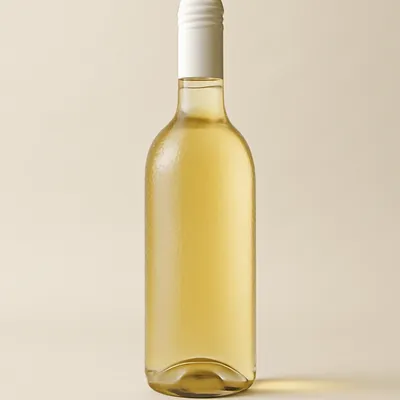
Make the dough: mix flour with warm water, white wine, olive oil and a pinch of salt, then knead well until smooth and elastic; cover and rest at least 30 minutes.
Watch outKnead the dough well then rest it at least 30 minutes — resting relaxes the gluten so it later stretches thin without snapping back.
- 215 min
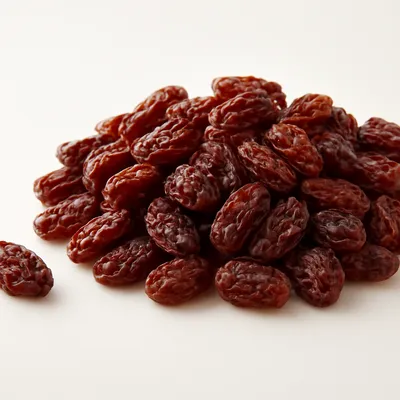
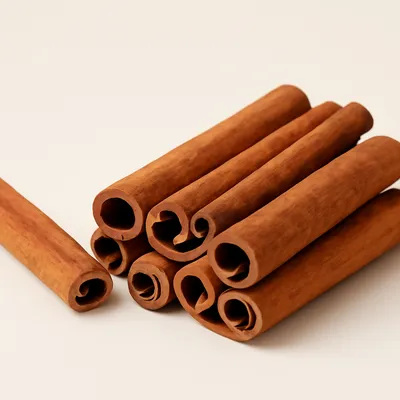
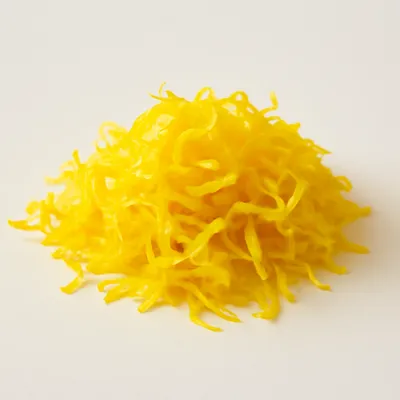
Prepare the filling: toss chopped apple with walnuts, soaked and drained raisins, grated dark chocolate or cocoa, sugar, cinnamon and grated lemon zest.
- 315 min
On a floured cloth, roll and then hand-stretch the dough into a very thin, near-transparent rectangle.
Watch outStretch it by hand until near-transparent — thin enough to almost read through is what bakes into brittle layers.
- 46 min
Brush the sheet with a little oil and spread the filling evenly, leaving a clear border.
- 55 min
Roll up tightly from the long side into a compact log, sealing the edge.
- 65 min
Curl the log into a horseshoe or a snail spiral on a lined tray, then brush with oil (or alkermes for a red finish).
- 745 min
Bake at 180 °C for about 40–45 minutes, until crisp and golden, or scarlet where alkermes is used.
Watch outBake until crisp and golden all over — pull it pale and the coiled pastry stays soft instead of shattering.
- 810 min
Cool, dust with sugar if you like, and slice; it keeps well for several days.
Archive tool suggestions — not reviewed
These legacy suggestions have not been evidence-reviewed and are not presented as required tools.


