The Molise Easter pie, known in dialect as sciatun or fiatone, a thin egg-and-oil pastry filled with a creamy mass of grated local cheeses bound by many eggs. It is latticed with strips and baked golden, its name taken from the little slit cut in the top to let it breathe and release its cheese aroma. Savoury along the coast and sweet with raisins and cinnamon in the interior, it is made for Easter and served to open the holiday lunch.




The fiadone belongs to the Easter baking of Molise and the wider central Apennines, a rustico made to close the Lenten fast with the eggs and cheese the season had held back. Its name comes from fiato, breath: a slit is cut in the crust so the pie can exhale its cheese scent as it bakes. Along the Adriatic coast it is savoury, filled with grated caciotta or rigatino and parmigiano bound by eggs; in the interior it turns sweet, with raisins and cinnamon. Traditionally given as an auspicious Easter gift and served to open the holiday lunch, it is also made in a small half-moon form, and in parts of the province of Isernia the same word instead names a calzone stuffed with chard, anchovies, black olives and pine nuts.
The crust is thin and short, the filling soft and just set, rich with grated cheese and egg and lightly peppered. It cuts in clean wedges that hold their shape, the cheese savoury and faintly tangy against the plain pastry; the sweet version turns mellow, with raisins and a warmth of cinnamon.
The filling is essentially a baked cheese custard: beaten eggs are the binder, their proteins coagulating in the oven to trap the grated cheese and set the mass just firm. The slit in the crust vents steam, so the pie sets rather than puffs and cracks, and lets the volatile aroma compounds of the ripened cheese escape. The egg-and-oil pastry stays short because the oil coats the flour and limits gluten development, giving a tender, crumbly wall around the soft filling; a wash of egg on top browns through the Maillard reaction to the golden colour.
Variations
The great divide is savoury against sweet: grated caciotta, rigatino or pecorino with parmigiano and pepper on the coast; the same cheese-and-egg base sweetened with sugar, raisins and cinnamon inland. It is baked as one large latticed pie or as small half-moon fiadoni to hand round, and some brush the top with egg for a deeper gloss. In parts of the province of Isernia the name belongs instead to a filled calzone of chard, anchovies, black olives and pine nuts.
On the Palate
Where Fiadone Molisano sits in the Italian flavor cloud
Ingredients
Serves 8
How it's made
7 steps · 25 min
- 130 min
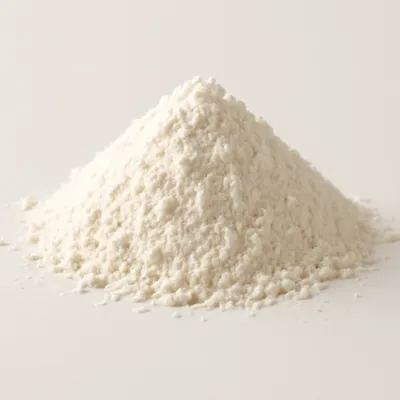
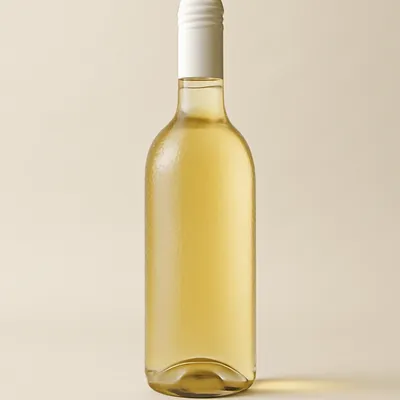
Make the pastry: mix the flour with two eggs, the oil, a splash of white wine and a little salt, and knead to a smooth dough; rest it, covered, for about half an hour.
- 215 min
Grate the caciotta and parmigiano finely and beat them with the remaining eggs and plenty of black pepper into a thick, creamy filling.
- 312 min
Roll out two-thirds of the dough thinly and line a greased tin, leaving an overhang.
- 45 min
Spread in the cheese-and-egg filling and level the top.
- 512 min
Roll the rest of the dough, cut it into strips, and lattice them over the filling; seal the edges and cut a small slit in the centre to let the pie breathe.
Watch outCut a small slit in the top before it bakes — that vents the steam so the pie sets flat instead of puffing up and cracking open.
- 645 min
Brush the top with beaten egg and bake at 180°C until set and golden, about forty minutes.
Watch outBake at 180 until the filling is just set and the top is golden, about forty minutes — a wobble at the centre means the egg custard hasn't firmed yet.
- 715 min
Let it cool and firm up, then serve cut into wedges, at room temperature.
Archive tool suggestions — not reviewed
These legacy suggestions have not been evidence-reviewed and are not presented as required tools.


