Frittelle, in Venetian dialect fritole, are the emblematic Carnival fritters of Venice and the Veneto: soft, irregular, craggy little fritters made from a slack yeasted batter dropped into hot oil by the spoonful, studded with grappa- or rum-soaked raisins and pine nuts, often with candied citron, and finished with a dusting of powdered sugar. The plump, lobed shape comes straight from the loose batter, which cannot be rolled like the firm dough of castagnole. They are a deep-rooted Venetian icon, tied to the historic guild of fritter-makers and pictured in 18th-century Venetian art. The traditional fritter is plain inside; the now-common versions filled with pastry cream or zabaione are a later, 20th-century addition.



The fritola is the Carnival sweet of Venice, the Veneto, Friuli, and Istria, its name from the dialect for frying. Its prestige in the city is well attested in the 18th century: Pietro Longhi painted La venditrice di fritole around 1755, and Carlo Goldoni's Carnival comedy Il Campiello of the same year features a frittolera. The strongest documented hook is the guild of fritter-makers, the fritoleri: a formal corporation genuinely existed, with a statute dated 1620 and a heritable trade, its members recorded as seventy in number, one to each district of the city, with their own painted emblem now held in Venetian museums; the guild outlasted the Republic and faded only at the end of the 19th century. It is often said the fritola was proclaimed the «national sweet» of the Venetian Republic in the 1700s, but no source gives the actual decree or year, so this is best treated as a strong tradition rather than a dated fact. A frequently repeated «14th-century recipe» tale is folklore. Frittelle carry no DOP or IGP protection.
Soft, pillowy, and irregular, with a craggy golden-brown crust giving way to a warm, airy, slightly chewy interior pocked with holes. Sweet bursts come from the grappa- or rum-soaked raisins, with the gentle resin-crunch of pine nuts and the brightness of lemon zest or candied citron, all under a snowfall of powdered sugar. The traditional fritter is eaten sensa gnente, «with nothing» inside; a filled one trades that open, bready crumb for a pocket of cool custard. It is at its best straight from the oil and still hot.
Frittelle are built on a yeasted batter, not a kneaded dough: a thick, sticky, spoonable mixture that the yeast ferments over a rise of one and a half to four hours, building the open, airy, bready crumb. The soaked raisins rehydrate and plump, spreading sweetness and moisture through the batter. Dropped by the spoonful into oil at about 170 to 180°C, each loose dollop sets into a craggy, lobed crust, the rough surface a direct result of the slack batter rather than a smooth rolled ball. Yeast is the historical leavener here both because chemical leaveners only spread in the 19th century and because a pourable batter cannot be lifted by folding; only fermentation can aerate it. Keep the oil steady and the spoonfuls walnut-sized so the centres cook through before the crust darkens.
Variations
The canonical fritole veneziane are plain yeasted fritters with raisins and pine nuts, often with candied citron and lemon zest, dusted with sugar and left unfilled, the true Venetian fritter being «sensa gnente». The filled forms, frittelle alla crema with pastry cream and frittelle allo zabaione, are 20th-century additions, as are fillings of chantilly, chocolate, lemon cream, pistachio, and ricotta. Older and regional variants fold in diced apple with grappa, or swap some flour for semolina or polenta. The dish belongs to the wider Carnival fried-sweet family alongside the firm-balled castagnole and the ribbon-shaped galani or crostoli of the same Veneto Carnival table.
On the Palate
Where Frittelle di Carnevale sits in the Italian flavor cloud
Ingredients
Serves 6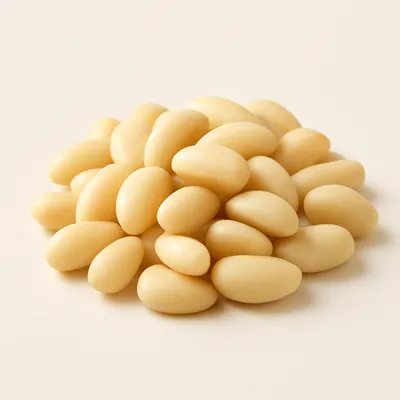

How it's made
9 steps · 45 min active + 2 hours 15 min waiting
- 130 min
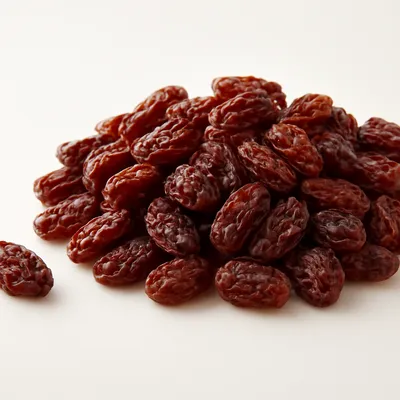
Soak the raisins in grappa or rum until plump, then drain and squeeze them dry.
- 210 min
Stir the yeast into the lukewarm milk with a little sugar and leave it to activate.
- 312 min
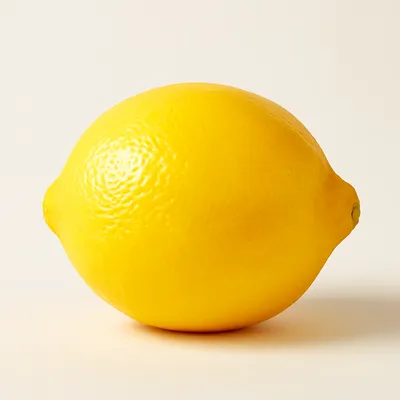
Beat the flour, sugar, eggs, lemon zest, and salt with the milk-yeast into a smooth, soft, sticky batter, not a firm dough.
- 45 min
Fold in the drained raisins, pine nuts, and any candied citron.
- 5120 min
Cover and leave to rise until doubled and bubbly.
Watch outLet the batter rise until doubled and bubbly — that fermentation builds the open, airy crumb; drop under-risen batter and the fritters fry dense and heavy.
- 610 min
Heat the frying oil to about 170 to 180°C.
- 725 min
Drop walnut-sized spoonfuls of batter into the oil and fry, turning, until deep golden; do not crowd the pan.
Watch outFry at 170 to 180 degrees, not crowding the pan — hot enough that each loose dollop crisps before it drinks oil; too cool and you get greasy, oil-logged fritters.
- 85 min
Drain the fritters on paper towels.
- 92 min
Dust generously with powdered sugar and serve hot.
Archive tool suggestions — not reviewed
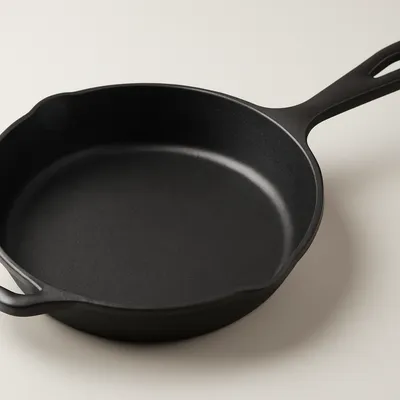
These legacy suggestions have not been evidence-reviewed and are not presented as required tools.