A sweet pasta dish from the Agordino valley of Belluno province, eaten on Christmas Eve: fresh pasta ribbons layered in a pot with raisins, walnuts, thin apple slices, sugar, cinnamon and poppy seeds, then placed in the dying wood-fired stove before Midnight Mass and left to cook slowly in the residual heat for two to three hours, to be eaten on the family's return.

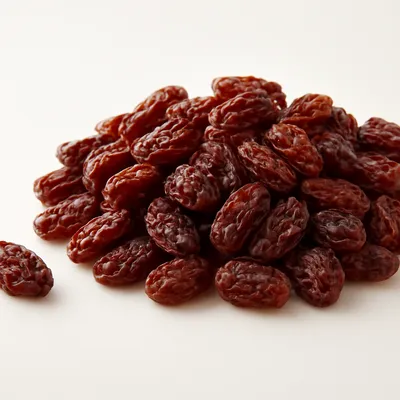


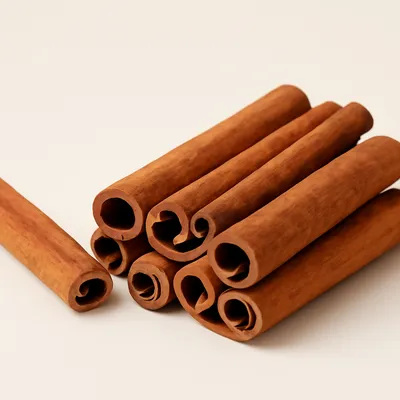
Lasagne da fornel — 'stove lasagne' in the Ladin-Veneto dialect of the Agordino — is the defining Christmas Eve dish of the Val Biois, centred on the villages of Canale d'Agordo and Falcade in the province of Belluno. Its name records the method: the dish is assembled on the afternoon of 24 December and placed in the fornèl, the wood-burning range of every farmhouse, where it cooks in the residual heat while the family attends Midnight Mass, and is eaten on their return. The combination of raisins and poppy seeds reveals the clear Mitteleuropean, specifically Austrian, influence on the mountain cuisine of the Belluno Dolomites — a culinary legacy of the long Habsburg sphere in the region. A simpler twin preparation, paste da pavare, uses only raisins, sugar and poppy seeds, dropping the apple and walnut. Both preparations are recognised as traditional agrifood products of Veneto (PAT).
Soft pasta ribbons carry caramelised raisin sweetness and dissolved apple acidity; cinnamon and poppy seeds perfume every forkful with Alpine warmth; the bottom layer picks up a faint caramel char from the pot, while the interior layers stay pillowy, honey-scented and impossibly tender.
Wood-fired stove residual heat (typically falling from 130°C toward 100°C over the course of Mass) cooks the pasta by combined radiant heat and trapped steam. The bottom layer undergoes a mild Maillard reaction against the cast-iron base, developing a caramel crust. Inner layers cook by steam hydration, starch gelatinizing fully in the moist environment to yield a pillowy texture. Raisins and apple slices concentrate their fructose under the slow heat, producing gentle caramelisation without scorching. Cinnamaldehyde volatilises above 75°C and, trapped by the sealed lid, permeates the entire pot. Poppy seeds' unsaturated fatty acids release slowly in the residual warmth, contributing a quiet nutty base note to the aroma.
Variations
The simpler twin preparation paste da pavare uses only raisins, sugar and poppy seeds — no apple, no walnut — and is regarded as the more ancient form. Some families add peanuts for additional richness. Modern adaptations bake in a conventional oven at 180°C for about 40 minutes, though the result lacks the two-hour slow flavour of the original fornel version.
On the Palate
Where Lasagne da fornel sits in the Italian flavor cloud
Ingredients
Serves 6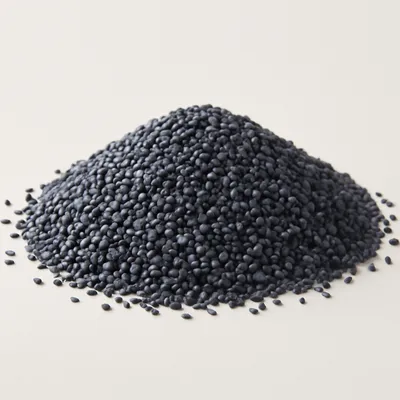

How it's made
7 steps · 1 hour active + 2 hours waiting
- 130 min
Prepare fresh pasta dough with 300g flour and 3 eggs; knead until smooth, rest 30 minutes covered, then roll thin and cut into wide ribbons about the width of pappardelle.
- 25 min
Briefly parboil the ribbons in lightly salted water for 1 minute until just pliable; drain carefully and spread on a clean cloth to cool and dry slightly.
Watch outOne minute is all — just pliable, not cooked; the ribbons finish softening in the sealed pot and go mushy if parboiled longer.
- 35 min
Generously butter a deep cast-iron pot or heavy ovenproof baking dish to prevent sticking.
- 415 min
Build the first layer: spread pasta ribbons over the base, then scatter a handful of raisins, coarsely chopped walnuts, thin apple slices, a spoonful of sugar, a pinch of cinnamon and a generous pinch of poppy seeds.
- 510 min
Repeat the layering three to four more times until all ingredients are used up; finish with a final layer of pasta ribbons and dot the surface with small pieces of cold butter.
- 6120 min
Cover the pot tightly with its lid and place it in the wood-burning stove before leaving for Midnight Mass; allow it to cook slowly in the declining residual heat for two to three hours without disturbing.
Watch outSeal the lid tight and don't peek for the whole slow bake — every lift lets out the trapped steam and cinnamon aroma that cook the layers.
- 75 min
Remove from the stove when the family returns; remove the lid and serve warm directly from the pot.
Archive tool suggestions — not reviewed
These legacy suggestions have not been evidence-reviewed and are not presented as required tools.


