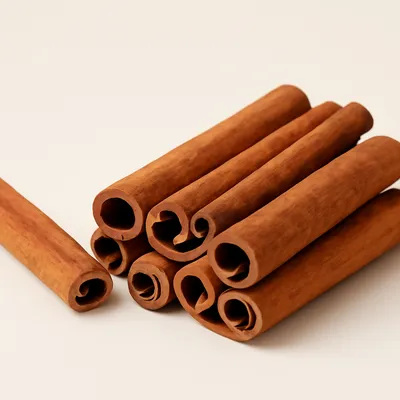
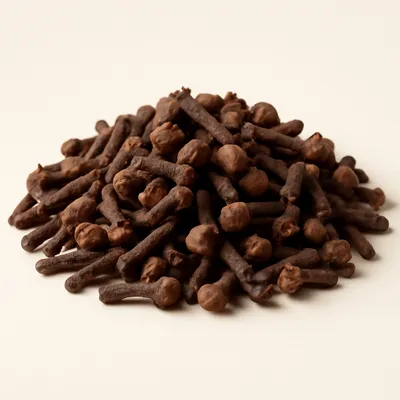
A golden, faintly spiced ring biscuit of Friuli and Carnia, friable and enriched, whose meaning is ritual before it is everyday. Made of soft-wheat flour, sugar, lard and milk, leavened with ammonium bicarbonate and scented with cinnamon and cloves, the dough is rolled into ropes, joined into rings, brushed with egg yolk for shine and strewn with sugar and coloured sprinkles. Traditionally the colàz were the biscuits of Confirmation: bound with coloured ribbons, they were given by godparents to their godchildren at Pentecost, worn round the neck like a necklace on the way out of church.




The colàz is an old festive ring of the Friulian and Carnic table, of broadly Venetian origin and in use, the sources say, well before 1500. It belonged above all to Confirmation, long tied to Pentecost: children left the church with the rings threaded on coloured ribbons of red, white and pale blue, worn like a necklace, the largest set on the head like a crown. Tradition holds the biscuits were so prized that a sixteenth-century decree capped a godfather at 500 colàz for his godchild, their number a measure of his standing and of his good wishes for the child. On the Trieste Carso the same ring, made from pinza dough, served for baptisms, and in parts of Friuli the colàz da sope, dipped in wine, were a wedding sweet. Now safeguarded on the Slow Food Ark of Taste, the colàz are typical across Udine and Pordenone.
Firm and short, snapping into a friable, faintly sandy crumb rather than a hard biscuit, warm with cinnamon and clove, sweet and just rich enough from the lard, its glossy egg-washed top carrying the crackle of sugar grains.
Lard is the key to the texture. As a nearly pure, plastic fat it coats the flour proteins and blocks gluten from linking, so the baked ring stays short and friable rather than tough, and does this more effectively than butter, which carries water. Ammonium bicarbonate leavens cleanly: it decomposes fully in the oven into gas and vapour with no residual salt, opening the crumb and leaving no taste, and because the rings are slim the ammonia escapes completely. The egg-yolk wash browns through the Maillard reaction and sets to a glaze, while the scattered sugar stays crisp on top. Baked to a low moisture, the rings keep well.
Variations
The traditional dough is bound with lard, milk and ammonium bicarbonate and spiced with cinnamon and cloves; home cooks often use butter instead, and vanilla. The rings are finished with pearl sugar and coloured sprinkles or left plain. On the Trieste Carso a related ring is made from pinza (focaccia) dough for baptisms; the colàz da sope are firmer rings meant for dipping in wine and served at weddings. Sizes run from small biscuits to a large crown ring.
On the Palate
Where Colàz sits in the Italian flavor cloud
Ingredients
Serves 8How it's made
7 steps · 25 min
- 110 min
Rub the lard into the flour with the sugar, ammonium bicarbonate, cinnamon, cloves and a pinch of salt until the mixture is sandy.
Watch outRub the lard in only until the mix is sandy — overwork it and you warm the fat and lose the short, crumbly bite.
- 235 min
Add the milk a little at a time and work to a smooth, firm dough; wrap and rest 30 minutes.
- 310 min
Heat the oven to 180 °C and line two trays with baking paper.
- 415 min
Roll pieces of dough into ropes about 1.5 cm thick and 15 cm long, then join the ends of each into a ring, pressing to seal.
- 58 min
Set the rings on the trays, brush the tops with beaten egg yolk and scatter with pearl sugar and coloured sprinkles.
- 620 min
Bake 18–22 minutes, until golden and glossy and firm to the touch.
Watch outPull the rings when golden and glossy and firm to the touch — a shade past and the slim rings dry out and go hard.
- 75 min
Cool on a rack; thread onto ribbons if serving in the old way, or store airtight.
Archive tool suggestions — not reviewed
These legacy suggestions have not been evidence-reviewed and are not presented as required tools.


