The Adriatic fishermen's stew of the Romagna coast — Rimini, Cesenatico, Ravenna — a robust mix of small whole fish, molluscs, and crustaceans simmered with tomato conserve and a defining splash of wine vinegar, served over toasted bread or piadina. The vinegar is what sets the Romagna version apart from all other Adriatic brodetti.
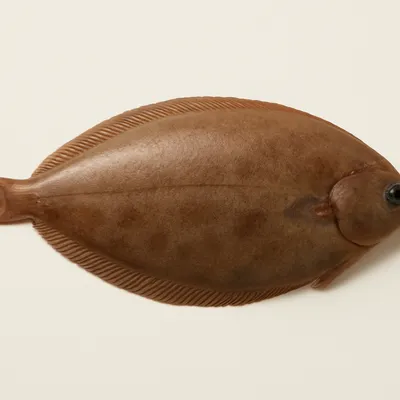




Brodetto emerged as a poor fisherman's dish along the entire Adriatic coast, born of necessity: whatever small, bony, or otherwise unsellable fish remained at the end of market day was thrown into a pot with whatever was at hand. The Romagna coastal stretch — from Rimini northward through Cesenatico and Ravenna — developed its own signature style distinguished by the dual use of tomato conserve and wine vinegar. The vinegar tradition is thought to reflect the practical reality of fishermen preserving and flavoring a stew during long days at sea, as well as the vinegar-producing culture of the Po valley hinterland. Cesenatico, with its historic fish market on the canal port designed by Leonardo da Vinci, is often cited as the documentary heart of the Romagnola version. The signature fish is the mazzola (red gurnard), supplemented by whatever the day's catch brought in.
Sharp wine-vinegar tang cuts cleanly through the briny sweetness of mixed shellfish and the delicate white fish; the tomato base adds body and a ripe fruitiness; the soaked bread underneath collapses into the rust-red broth, becoming a savory, oceanic-flavored foundation for each mouthful.
Sautéing onion and tomato paste in olive oil caramelizes sugars and builds a Maillard-browned soffritto base that adds color and depth to the broth. Adding wine vinegar creates an acidic environment that partially denatures proteins on the fish surface, producing a slightly firmer exterior texture. Gentle simmering at 80–90℃ prevents the delicate fish flesh from overcooking and breaking apart. Collagen in fish skin, fins, and mollusc connective tissue hydrolyzes into gelatin over the 20–25-minute simmer, naturally thickening the broth without any starch. Acetic acid from the vinegar also decomposes odorous trimethylamine compounds in the fish, visibly reducing fishiness and brightening the overall flavor.
Variations
Rimini style sometimes adds a pinch of saffron and a larger quantity of vinegar. Cesenatico style tends to be drier with less tomato, closer to a concentrated fish stew. Ravenna style emphasizes eel and flatfish. Modern Romagna restaurants often serve the broth separately from the fish and present over piadina crisps rather than plain toasted bread. Some cooks add a small amount of cuttlefish ink for color and depth. A non-tomato white variant (in bianco) exists in fishing communities that predate the tomato's arrival in the region.
On the Palate
Where Brodetto di Pesce alla Romagnola sits in the Italian flavor cloud
Ingredients
Serves 4

How it's made
7 steps · 1 hour
- 120 min
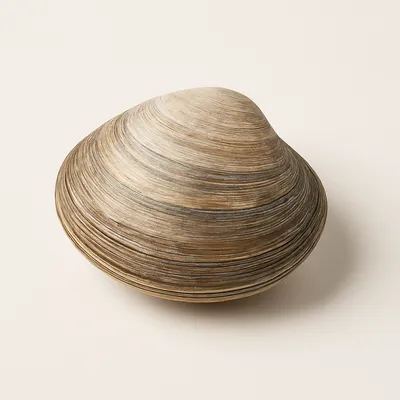
Clean and prepare all seafood: scrub clams and soak in salted water to purge sand; gut and scale whole fish; cut monkfish into sections; clean squid or cuttlefish.
- 28 min
Heat olive oil in a wide, heavy pot over medium heat; sauté finely sliced white onion until golden and soft, about 8 minutes.
Watch outCook the onion slow until soft and golden, never browned dark — burnt onion turns the whole broth bitter, and this stew has nothing to hide it.
- 35 min
Add tomato conserve (passata), stir well, and cook over medium heat for 5 minutes until it darkens slightly and loses its raw aroma.
Watch outCook the passata until it darkens a shade and the sharp raw-tomato smell is gone — raw tomato tastes tinny in the finished broth.
- 43 min
Pour in wine vinegar and raise the heat briefly until the sharp acidity mellows, about 2 minutes.
- 55 min
Arrange fish in the pot starting with the firmest — monkfish, red gurnard — then add red mullet and sole; tuck in the clams and squid last.
- 625 min
Add enough fish stock or water to just cover the seafood; bring to a gentle simmer (80–90℃) and cook uncovered for 20–25 minutes, shaking the pan rather than stirring to avoid breaking the fish.
Watch outHold it at a bare shivering simmer and shake the pan instead of stirring — a real boil or a spoon breaks the delicate fish into shreds.
- 75 min
Place thick slices of toasted bread or piadina in deep bowls; ladle fish and shellfish over the top and finish with generous spoonfuls of the rust-red broth.
Archive tool suggestions — not reviewed
These legacy suggestions have not been evidence-reviewed and are not presented as required tools.