





Pandolce Genovese (Genoese sweet bread) is the canonical Christmas dolce of Genoa, with documented production since the 16th century. It is the spiritual ancestor of panettone but pre-dates panettone by 200+ years and is dramatically different: dense (not airy), flat-domed (not tall), enriched with pine nuts and fennel seeds (Ligurian terroir, not Milanese), and not eaten fresh but aged 1-2 weeks for flavors to develop. There are two distinct types: pandolce alto (tall, yeasted, dome-shaped, the traditional original) and pandolce basso (flat, baking-powder-leavened, modern simpler version). The tall version remains the canonical Christmas form. Doge/admiral Andrea Doria reportedly had Genoese pastry masters devise the sweet in the 16th century, though it almost certainly predates him. Eaten throughout Genoese Christmas with sweet white wine or coffee.
A thin slice of aged pandolce is unlike any modern Christmas bread — the dough is dense (not airy like panettone), packed with fruit and nuts visible in every cross-section, with a deep amber color from the long bake and the aging. The flavor is complex from the aging: the Marsala-soaked fruit has bled sweet syrup into the dough, the fennel seeds add unexpected anise notes, the pine nuts contribute fatty-buttery surprises, the candied citron and orange peel give bursts of bitter-bright citrus. The texture is more biscotti-like than cake-like — substantial, slightly dry, demanding sweet wine for accompaniment. Each slice is small but rich; one slice is enough.
Aging is the dish's defining characteristic and chemistry — over 1-2 weeks, moisture from the soaked fruit gradually redistributes throughout the loaf, the fat in pine nuts and butter migrates and creates complex flavor compounds, and the sugars caramelize subtly at room temp. Pandolce eaten the day of baking tastes flat compared to aged. The dense low-dome shape is intentional: tall airy loaves dry out too fast during aging. Fennel seeds are the most distinctive Genoese ingredient — they add an unexpected savory note that prevents pandolce from being one-note-sweet. Orange flower water is essential — it adds floral aromatics not achievable any other way.
Variations
Genoa canonical (pandolce alto / tall): yeasted, dense, 1-2 week aged, with pine nuts + fennel + citrus + Marsala-soaked fruit; modern pandolce basso (flat) is baking-powder-leavened and shorter (a quicker version for less patient cooks); some Genoese bakeries also produce a smaller individual size; commercial supermarket pandolce is acceptable but lacks the aging depth; vegan version replaces butter with olive oil (works surprisingly well, the dough is already not particularly delicate); a chocolate variant exists but purists hate it.
On the Palate
Where Pandolce Genovese sits in the Italian flavor cloud
Ingredients
Serves 10


How it's made
8 steps · 1 hour active + 5 hours waiting
- 1125 min
Make a sponge starter: in a bowl, dissolve 15g fresh yeast (or 5g instant) in 150ml warm milk + 1 tbsp sugar. Add 100g 00 flour; mix to thick paste. Cover; let rise 2 hours in warm spot until very bubbly and doubled.
Watch outThe sponge is ready when it's puffed, riddled with bubbles, and doubled — start with a lively starter or the heavy fruit dough never lifts.
- 260 min
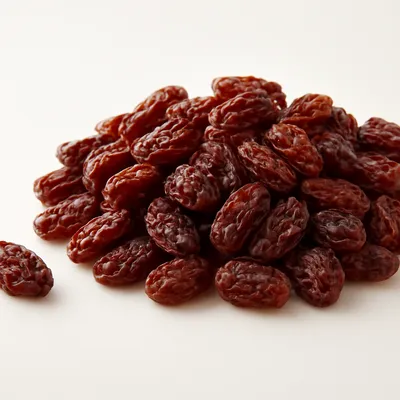
Soak fruit: combine 200g raisins + 100g chopped candied citron + 80g chopped candied orange peel in 100ml Marsala wine (or sweet sherry) for 1 hour to plump.
- 34 min
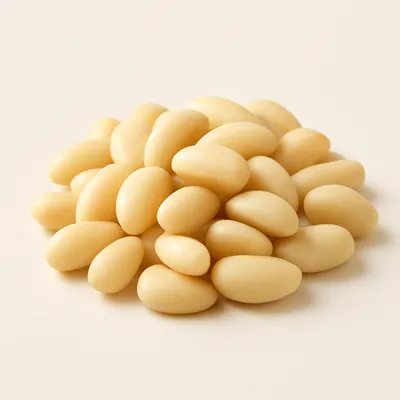
Toast 80g pine nuts in a dry pan, 4 min until just golden. Cool.
- 414 min
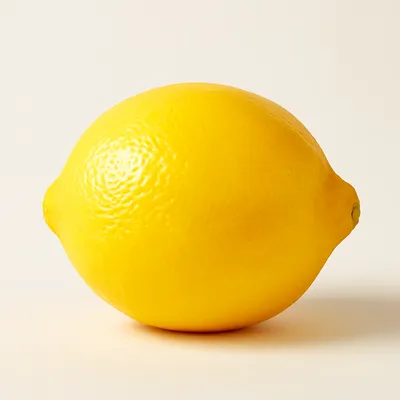
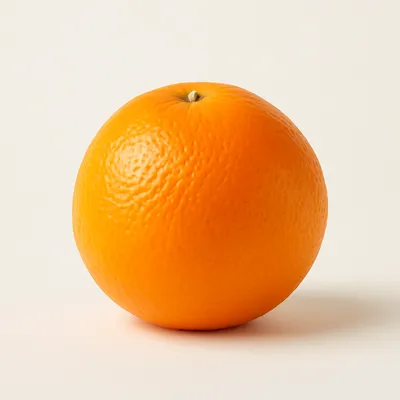
Make main dough: in a large bowl, combine 400g 00 flour + the sponge starter + 150g sugar + 1 tsp fennel seeds + zest of 1 lemon + zest of 1 orange + 2 tbsp orange flower water + pinch of salt + 100g room-temp butter (cubed). Mix; knead 12 min until smooth and elastic. Should be fairly stiff dough.
Watch outKnead the plain dough until it's smooth and springs back before the fruit goes in — it should feel fairly stiff, not slack.
- 55 min
Add the soaked fruit (with any remaining liquid) + pine nuts. Knead another 5 min to distribute evenly without breaking the dough. (The fruit will tear the dough slightly — that's expected; gather and reshape.)
- 6245 min
Shape into a low dome on a parchment-lined baking sheet (about 22cm diameter, 6cm tall). Cut a shallow cross or triangle on top with a sharp knife (traditional Genoese marking). Cover with a clean towel; let rise in warm spot 3-4 hours until doubled (the dough is heavy so rise is slower than typical bread).
- 765 min
Bake at 170°C / 340°F for 50-60 min until deep golden and a skewer inserted comes out clean. If top browns too fast, cover with foil for last 15 min. Cool completely on a rack.
Watch outTest with a skewer — it comes out clean when done; if the top darkens too fast before the center sets, tent it with foil.
- 87 min
AGE: wrap the cooled pandolce tightly in waxed paper, then in a clean tea towel. Store in a cool dry place 7-14 days minimum before slicing. The aging step is essential — the fruit flavors permeate the dough; the texture becomes denser and more flavorful. Serve in thin slices with a glass of Sciacchetrà (Ligurian sweet wine) or strong coffee. Keeps 6 weeks aged.
Watch outDon't cut it fresh — wrap and rest it a full week or more so the fruit flavor works through and the crumb turns dense and rich; day-of it tastes flat.
Archive tool suggestions — not reviewed
These legacy suggestions have not been evidence-reviewed and are not presented as required tools.


