
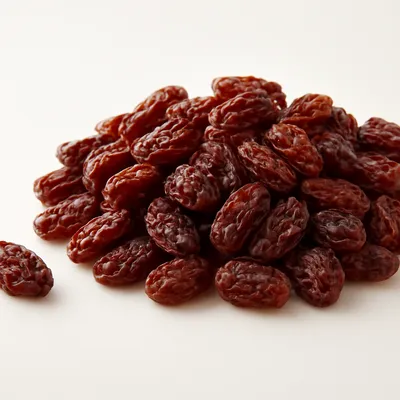
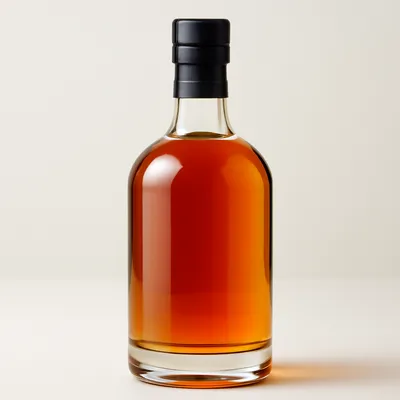
Mecoulin (Mécoulin) is the enriched sweet bread of Cogne, a mountain village in Valle d'Aosta, made from flour, butter, eggs, sugar and milk and studded with rum-soaked raisins. Tall and soft yet noticeably denser and more rustic than panettone, it carries the butter-and-egg richness of an Alpine feast-day loaf. Historically it was baked for Christmas in the communal wood-fired ovens of the village, where the whole community took turns. Today it is sold year-round in local bakeries but stays bound to the holiday table.




Mecoulin is a documented folk bread of Cogne, the high Alpine village in the Gran Paradiso valley of Valle d'Aosta; the name is Franco-Provençal (locally pronounced "meculèn"), the patois once spoken across the valley. Like much Valdostan cooking it grew out of cucina povera, but as a celebration loaf rather than an everyday one: at high altitude, butter and eggs were the surplus of the summer alpeggio and sugar and raisins had to be carried up from the lowlands, so a bread enriched with all four was a deliberate feast-day luxury. It belonged above all to Christmas. Because few households owned an oven, the dough was carried to the four banal, the communal wood-fired village oven, and the baking became a shared event in which the whole community took part. No single baker or founding date is recorded; the tradition is collective and the recipe was handed down within Cogne. The bread is now made year-round by valley bakeries, yet it remains the local Christmas loaf and a marker of Cogne's identity.
The crumb is golden and close-textured, soft but with the chewy pull of a well-developed enriched dough, far from the airy shred of panettone. Butter and egg yolk give it a rich, almost cake-like mouthfeel, while the rum-soaked raisins release sweet, warm, faintly boozy bursts throughout. The crust is thin, deep brown and lightly caramelised, with a glossy sheen from the egg wash. It eats best in thick slices, slightly warm, the butter just beginning to soften.
Mecoulin is an enriched yeast dough, and its character comes from the interplay of fermentation, gluten and fat. Yeast ferments the sugars in the flour, producing carbon dioxide that leavens the loaf and ethanol plus esters that build aroma; the long, slow proofs typical of a rich Christmas bread give the yeast and any wild flora time to develop deeper flavour. Kneading aligns and cross-links the wheat proteins glutenin and gliadin into an elastic gluten network that traps that gas, letting the bread rise tall. The heavy load of butter and egg yolk works against gluten and is what makes the crumb dense rather than feathery: fat coats the gluten strands and starch granules, shortening the structure for a tender, cake-like bite and, because that fat film slows moisture migration and starch retrogradation, keeping the bread soft for days longer than a lean loaf. Sugar and the raisins are hygroscopic, holding water in the crumb for lasting moistness, and soaking the raisins in rum both plumps them and carries alcohol-soluble aromas into the dough. In the oven the surface sugars and the proteins and sugars of the egg wash undergo Maillard browning and caramelisation, giving the thin crust its deep colour, gloss and toasty flavour.
Variations
Recipes vary from house to house and bakery to bakery: some lighten the dough toward a brioche, others keep it dense and rustic in the older style. The raisins may be macerated in rum or in grappa, and some bakers add a little candied citrus peel, a splash of cream, or a pinch of vanilla. The loaf is most often baked free-form or in a round tin; sizes range from small individual buns to large shared loaves. It is closely related to other Alpine enriched breads and is the Valdostan cousin of panettone, though always plainer and more bread-like.
On the Palate
Where Mecoulin sits in the Italian flavor cloud
Ingredients
Serves 10


How it's made
9 steps · 3 hours 30 min
- 15 min
Soak the raisins in the rum for at least 30 minutes (or up to overnight) until plump; drain, reserving any liquid.
- 25 min
Warm the milk to lukewarm and dissolve the yeast in it with a spoonful of the sugar; let it stand until foamy.
- 310 min
In a large bowl combine the flour, the remaining sugar and the salt, then add the eggs, the yeast-milk and any reserved rum, and bring together into a rough dough.
- 412 min
Knead until smooth and elastic, then work in the softened butter a little at a time until fully incorporated and the dough is glossy and supple.
Watch outWork the softened butter in a little at a time until the dough is glossy and supple — dump it in and the gluten can't take it up, leaving the crumb greasy and heavy.
- 55 min
Fold in the drained raisins, then cover and leave to rise in a warm place until doubled, about 2 hours.
- 66 min
Knock back gently, shape into a tall round loaf, and place in a buttered round tin or on a lined tray.
- 75 min
Cover and prove again until well risen, about 1.5 to 2 hours, then brush the top with beaten egg.
Watch outProve again until it's well risen before baking — an under-proofed mecoulin bakes up tight and squat instead of tall and airy.
- 83 min
Bake at 170°C until deep golden and hollow-sounding, about 40 to 50 minutes; cover with foil if it browns too fast.
- 93 min
Cool in the tin briefly, then turn out onto a rack and cool completely before slicing.
Archive tool suggestions — not reviewed
These legacy suggestions have not been evidence-reviewed and are not presented as required tools.


