The gossamer egg pasta of Campofilone, a small borgo in the province of Fermo — threads rolled and cut just 0.8 to 1.2 mm wide and up to 60 cm long, made with seven to ten eggs per kilo of flour and not a drop of water. So thin it cooks in barely a minute and drinks up close to twice its weight in sauce, it is the only Italian egg pasta to carry an IGP and is classically dressed with a long-simmered mixed-meat ragù.



Maccheroncini di Campofilone take their name from the hill borgo of Campofilone, above the Adriatic in the province of Fermo, where the thinnest of egg pastas has been made for centuries. Records from the local abbey note a very fine 'maccaroni' as early as the fifteenth century, likened to angel hair; the pasta is said to have been served at the Council of Trent around 1560, and the nineteenth-century poet Giacomo Leopardi listed the maccheroncini among his favourite dishes. The Touring Club's gastronomic guide recorded it in 1931. In 2013 it became the only Italian egg pasta to be granted an IGP, its production tied to the municipality of Campofilone and its recipe fixed at a minimum of one-third egg with no added water.
The bite is delicate and silky — the threads are so fine they melt together into a soft, golden tangle, tender through and through, carrying the deep savour of the meat ragù that has soaked into them.
With seven to ten eggs per kilo of flour and no water, egg is the only liquid: the lecithin in the yolks emulsifies fat through the dough for a smooth, tender crumb, the yolk carotenoids turn it deep gold, and the egg proteins coagulate on cooking to give the fine threads their silky set. Rolled to a fraction of a millimetre and cut to hair's-breadth strands, the pasta has an enormous surface-to-mass ratio, so water penetrates and the starch gelatinises almost at once — hence the sub-minute cooking. The dough's very low moisture and its slow drying at 28–40°C leave a dry, porous strand that rehydrates instantly and wicks up sauce by capillary action, absorbing close to twice its weight.
Variations
The classic dressing is a long, slow ragù of mixed beef and pork, though a lighter 'magro' version keeps to a leaner tomato sauce for fasting days. Some makers use type 00 soft-wheat flour, others durum semolina; the same pasta also appears simply with butter or served in broth.
On the Palate
Where Maccheroncini di Campofilone sits in the Italian flavor cloud
Ingredients
Serves 6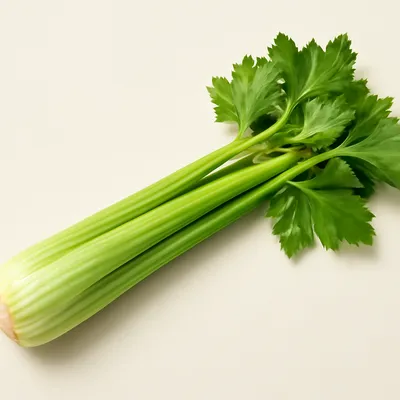

How it's made
8 steps · 40 min
- 120 min
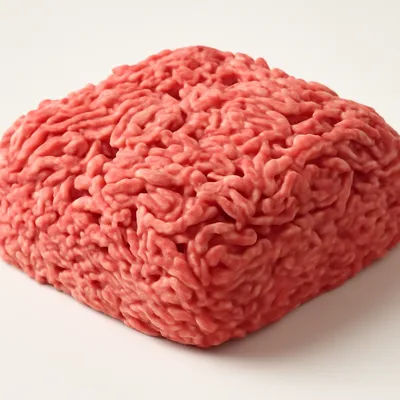
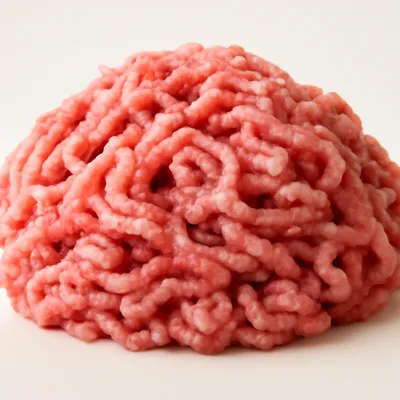
Make a slow ragù: soften finely chopped onion, carrot and celery in olive oil, then add the ground beef and pork and brown well.
- 2180 min
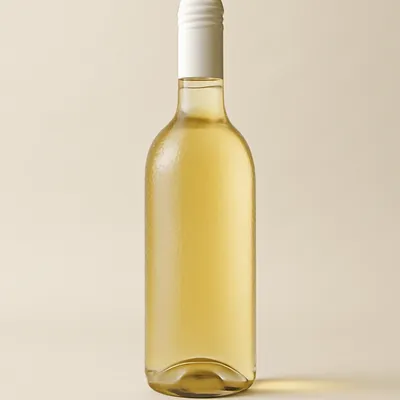
Pour in the white wine and let it evaporate, then add the tomato passata, season, and simmer very gently for 2–3 hours until thick.
- 315 min
Meanwhile mound the flour, break in seven to ten eggs per kilo of flour with no added water, and work into a firm, deep-yellow dough; knead 10 minutes until smooth.
Watch outWith no water, work the eggs in until you get a firm deep-yellow dough — it should feel dry and tight, not sticky, or the fine threads clump.
- 430 min
Wrap and rest the dough 30 minutes, then roll it out, a piece at a time, into paper-thin sheets you can almost see through.
Watch outRoll the sheet until you can almost see your hand through it — the pasta is so fine it cooks in about a minute, and a thick sheet turns gummy.
- 515 min
Flour the sheets, fold or roll them loosely, and cut into the finest possible threads with a sharp knife.
- 625 min
Shake the threads out to separate them and let them dry on a cloth for 20–30 minutes.
- 72 min
Boil the maccheroncini in plenty of salted water for about a minute, until just tender, then drain.
Watch outBoil the threads for only about a minute to just-tender, then drain — they keep softening in the hot ragù, so pull them a touch firm.
- 83 min
Toss the pasta gently with the hot ragù, adding a little cooking water, and serve with grated Parmesan or pecorino.
Archive tool suggestions — not reviewed
These legacy suggestions have not been evidence-reviewed and are not presented as required tools.


