
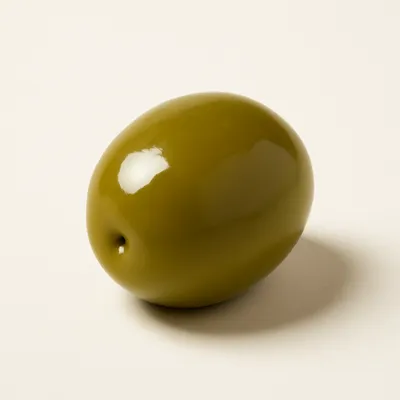
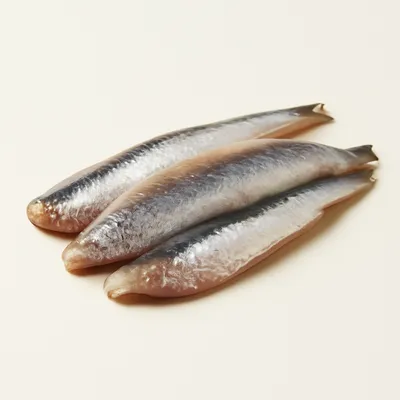
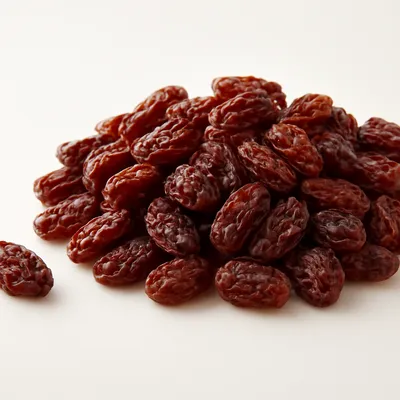
Whole heads of escarole, stuffed and stewed in the Neapolitan way — in dialect scarole 'mbuttunate. The heads are blanched to soften, then opened and filled between the leaves with the classic Naples mix of Gaeta olives, capers, anchovies, pine nuts, raisins, garlic and a little breadcrumb, tied with kitchen thread and braised slowly in olive oil until the leaves go meltingly tender and the stuffing perfumes the whole. Sweet, salty, bitter and savoury at once, it is a fixture of the Christmas Eve table and a standard winter contorno across Campania, eaten warm or at room temperature.
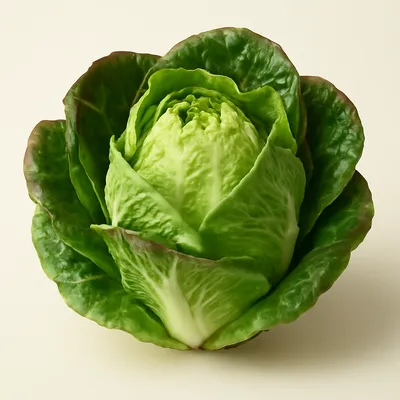

Stuffed escarole belongs to the Neapolitan and Campanian winter table and is one of the dishes associated with the Christmas season, when escarole is in season and the Christmas Eve cenone leans on vegetables and fish. The stuffing is the same sweet-savoury Neapolitan idiom found in scarola riccia 'ndorata e fritta and in pizza di scarole — olives, capers, anchovies, pine nuts and raisins — a flavour pairing of salt-cured fish and olives against sweet dried fruit that runs through southern Italian cooking and ultimately reflects centuries of Mediterranean exchange. The combination of bitter winter greens stuffed with this mixture is documented in the Neapolitan home tradition rather than tied to a single dated recipe or inventor; the dialect name 'mbuttunate, from imbottire, 'to stuff,' marks it as a regional preparation. The use of pine nuts and raisins with anchovy is a long-standing southern signature and is presented here as tradition, not as a claim about a specific origin.
The escarole collapses to silky, yielding folds, its raw winter bitterness softened by blanching and the slow braise into something gentle and faintly sweet. Tucked in its heart is the salty-sweet stuffing: briny Gaeta olives and capers, the deep savoury hit of anchovy melted almost to nothing, the soft crunch of pine nuts and little bursts of sweetness from plumped raisins, all bound with garlicky oil-soaked crumbs. Each forkful balances the green's bitterness against salt and a hint of sweet. Good warm, the leaves loose and glistening with oil; even better, many say, the next day cold.
Two things tame the escarole's bitterness. Blanching in boiling water for a couple of minutes both wilts the sturdy leaves so they can be opened and stuffed, and leaches out a portion of the bitter compounds into the water; the subsequent slow braise in oil softens the cell walls further and mellows what remains, while the leaves take up the savoury fat and the flavours of the stuffing by diffusion. The stuffing itself works on contrast and on umami: anchovy and olives are dense in glutamates and salt, raisins and pine nuts bring sweetness and fat, and breadcrumbs absorb the oil and bind the mixture so it stays packed between the leaves. Tying the heads keeps them whole through the braise so the filling steams inside rather than dispersing. Gentle heat throughout is what melts the anchovy and marries the sweet and salty without frying the greens to bitterness.
Variations
The stuffing is endlessly tweaked: the core of Gaeta olives, capers and anchovies is constant, while pine nuts, raisins, garlic and breadcrumbs come and go, and some cooks add grated pecorino or a little chili. Versions without anchovy give a milder, meatless-strict dish for the Vigilia. The whole stuffed heads may be braised in oil on the stovetop, or arranged in a dish with a little of the same mixture scattered over and baked. The same escarole-and-olive filling is the basis of the Neapolitan pizza di scarole, a double-crust savoury pie, while the greens dressed without stuffing — scarola 'mbuttunata's simpler cousin — appear as a plain sautéed contorno.
On the Palate
Where Scarole Imbottite sits in the Italian flavor cloud
Ingredients
Serves 4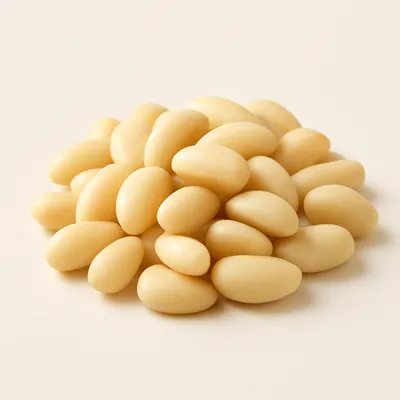

How it's made
7 steps · 30 min
- 110 min
Trim the escarole heads, keeping them whole, and blanch in boiling salted water for a couple of minutes until just wilted; drain and gently squeeze out water.
Watch outBlanch the whole escarole heads just a couple of minutes until wilted — this both softens the sturdy leaves so you can open and stuff them and leaches out some of the bitterness.
- 210 min
Make the stuffing: chop Gaeta olives, capers, anchovies, pine nuts, soaked raisins and garlic, and bind with a little breadcrumb and oil.
- 38 min
Carefully open the leaves of each head and pack the stuffing down between them, then close the head around it.
- 45 min
Tie each stuffed head with kitchen thread to hold it together.
- 53 min
Warm olive oil with a clove of garlic in a wide pan and lay in the tied heads.
- 620 min
Braise gently, covered, turning once, until the escarole is meltingly tender and the stuffing is fragrant.
Watch outBraise gently and covered until the escarole is meltingly tender — this slow braise mellows the last of the bitterness while the leaves drink up the savory oil.
- 73 min
Snip the thread, serve warm or at room temperature with the pan oil spooned over.
Archive tool suggestions — not reviewed
These legacy suggestions have not been evidence-reviewed and are not presented as required tools.



