
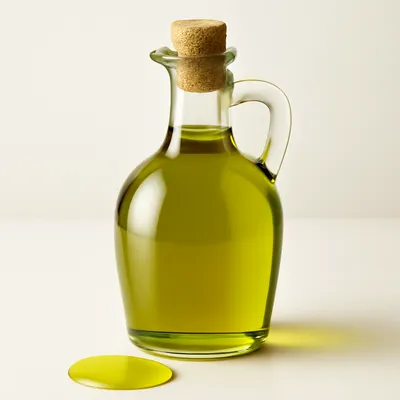
A rustic Umbrian soup of mixed legumes and grains — chickpeas, dried beans, lentils, fava beans and peas simmered with farro and barley, sometimes a little corn — built on a soffritto and occasionally a touch of tomato, finished with good olive oil. It belongs to the cucina povera of inland Umbria and the legume-growing country around Cascia and Norcia, and is thick, brothy and filling, eaten hot as a one-pot first course, especially in the cold months.

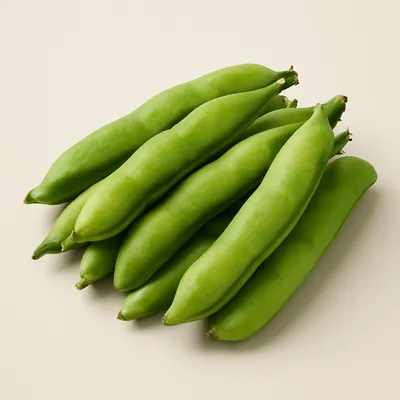
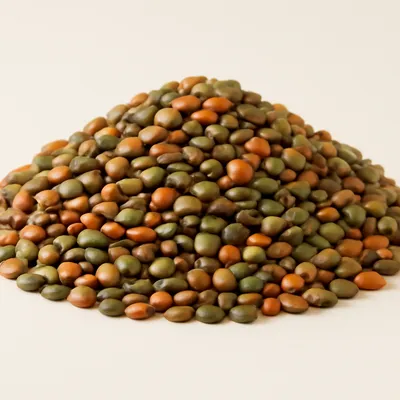


Imbrecciata is a traditional dish of inland Umbria, with roots in the Valle Umbra and the Apennine country of the Perugia and Norcia-Cascia uplands, where dried legumes and grains were the staple of the peasant pantry. It began as a thrift dish: the small leftover handfuls of different legumes and cereals at the bottom of the sacks were pooled into one pot to feed the family. The name comes from breccia, the Italian for gravel or road-grit: the jumble of differently sized legumes and grains in the bowl was thought to resemble the mixed stones of a graveled road. Every town keeps its own version, and the legumes typically lean on local varieties — the fagiolina del Trasimeno, the cicerchia (grass pea), the lentil of Castelluccio and broad beans.
A thick, earthy bowl in shades of brown and ochre, where each legume keeps its own texture: chickpeas firm, beans soft and creamy, lentils tender, favas mealy, the farro and barley chewy and slightly nutty against the soft pulses. The broth is starchy and savory, the legumes having released their starch as they cooked. A raw thread of good olive oil over the top, and bread alongside to scoop, are what finish it. A good bowl is varied in bite and not a mush; under-soaked legumes stay hard and gritty, and overcooking collapses everything into a uniform paste.
Dried legumes must first be soaked, usually overnight, to rehydrate them so they cook through evenly without staying gritty in the center; chickpeas, beans, favas and grass peas all take a long soak, while lentils need little or none. Because the different legumes and grains cook at very different rates, the slower ones go in first and the quicker ones later, or some are part-cooked separately, so they all arrive tender together. As they simmer, the pulses leach starch into the water, which thickens the broth and binds the soup; the olive oil is stirred in raw at the end, where its flavor and aroma would be lost if boiled. The long, gentle simmer also breaks down the legumes' tougher fibers into something digestible and soft.
Variations
There is no fixed recipe — every household and town varies the mix of legumes and grains, and cooks differ on whether to include a little tomato, and on the soffritto, with some adding garlic, celery or a bay leaf. The grains may be farro alone or farro with barley, and a little corn sometimes goes in. Some modern cooks turn the same legumes into a cold dressed salad with oil, lemon and vinegar rather than a hot soup. The dish sits within a wider Umbrian and central-Italian family of legume-and-grain pottages, close kin to the region's farro and chickpea soups.
On the Palate
Where Imbrecciata sits in the Italian flavor cloud
Ingredients
Serves 6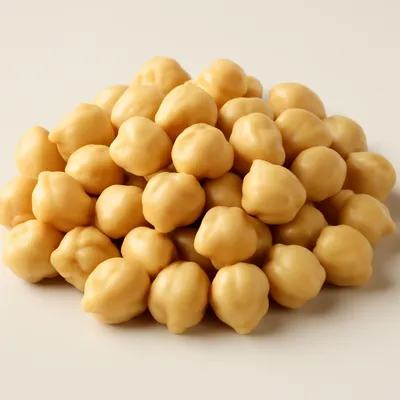


How it's made
6 steps · 1 hour
- 115 min
Soak the dried chickpeas, beans, fava beans and any grass peas in cold water overnight, draining and rinsing them the next day.
Watch outSoak the chickpeas, beans and favas overnight — a full soak is what lets them cook through evenly instead of staying gritty in the center.
- 28 min
Gently soften a chopped soffritto base in olive oil, adding garlic and celery if using.
- 35 min
Add the soaked chickpeas, beans and favas with plenty of fresh water and a little tomato if liked, and bring to a simmer.
- 480 min
Simmer gently until the firmer legumes begin to soften, around 1 to 1.5 hours, topping up with water as needed.
- 530 min
Add the farro, barley and the quicker-cooking lentils and peas, and simmer until everything is tender and the broth has thickened.
Watch outAdd the farro, barley and quick lentils only later — they cook far faster than the beans, so staggering them means everything arrives tender together.
- 65 min
Season with salt and pepper, then ladle into bowls, drizzle generously with raw olive oil, and serve hot with bread.
Archive tool suggestions — not reviewed
These legacy suggestions have not been evidence-reviewed and are not presented as required tools.


