
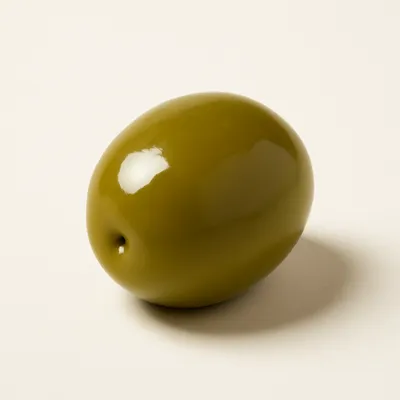
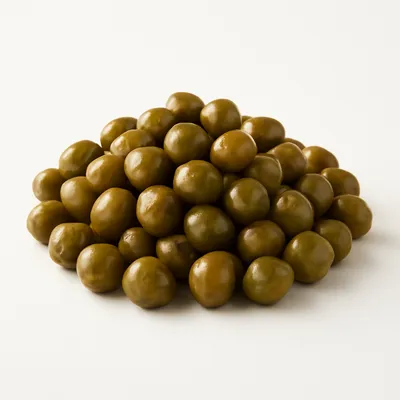
A Neapolitan way of braising octopus, named for the Borgo Santa Lucia, the old seafront fishing quarter of Naples whose fishermen were known as luciani. The octopus is cooked slowly in a sealed earthenware pot with San Marzano tomatoes, Gaeta olives, capers, garlic, parsley and a little chili — and, in the strictest version, not a drop of added water: the lid is kept shut so the octopus stews in the liquid it gives off. It is eaten either as a forkful-tender main with bread to mop the sauce, or chopped finer and tossed through spaghetti or linguine. The dish is one of the standards of old Santa Lucia cooking, alongside its sister preparations of mussels and clams.




The dish takes its name from Santa Lucia, the seafront borgo at the foot of Pizzofalcone in Naples that was for centuries a fishing and seafaring district; its people, the luciani, were closely identified with the city's seafood trade, and several Neapolitan dishes carry the alla luciana tag in their memory. The defining method — octopus cooked in a coccio or pignatta (a glazed terracotta pot) over a low flame, sealed so it braises in its own released liquid — is recorded across Neapolitan and Campanian culinary sources as the trait that distinguishes the dish from a simple stewed octopus. Beyond the name's link to the quarter, no single inventor or founding date is documented, and the popular detail that the lid was once luted shut with a ring of bread dough is given as tradition rather than fact. The dish belongs to the wider Mediterranean idiom of cooking octopus low and slow to tenderize it, and sits beside the luciani's other port specialities of mussels, clams and baccalà.
The octopus comes out deep wine-red where the skin and suckers have stained with tomato, fork-tender but still with a gentle springy bite at the centre of the tentacle, never rubbery. Around it sits a thick, glossy sauce — concentrated tomato sharpened by briny Gaeta olives and capers, warmed with garlic and a low hum of chili, and loosened only by the octopus's own sweet-salty liquor. A good plate tastes more of the sea than of tomato; bread dragged through what is left is half the point. Cut into spaghetti, the same sauce coats every strand and the chopped octopus reads tender against the al dente pasta.
Octopus muscle is dense with collagen-rich connective tissue, which is why a fast-cooked octopus turns to rubber: the proteins seize and the meat toughens. Cooked instead at a bare simmer for over an hour, the collagen slowly hydrolyzes into gelatin and the muscle relaxes, giving the characteristic fork-tender-but-springy texture and lending the sauce a faintly silky body. The sealed-pot, no-water method works because octopus is roughly four-fifths water by weight: held under a tight lid over low heat, it releases a generous amount of its own briny liquid, which becomes the braising medium and concentrates the flavour rather than diluting it. The tomato simmers down in that same liquor, losing its raw acidity as its sugars concentrate; the olives and capers contribute glutamates and salt that deepen the savoury base. Adding salt early is avoided, since it can draw moisture out too aggressively and firm the flesh before it has had time to soften.
Variations
The leanest version keeps to octopus, tomato, olives, capers, garlic, parsley, oil and chili with no added water — the alla luciana proper. Some cooks add a splash of white wine or a little of the octopus's own cooking water if the pot runs dry, and many finish with a handful of chopped parsley off the heat. The same sauce is often turned into a first course over spaghetti or linguine (spaghetti al sugo di polpo). Outside Santa Lucia the dish blurs into the broader Neapolitan polpo affogato, 'drowned octopus,' cooked the same way; cooks elsewhere on the coast may swap Gaeta olives for another black olive or add a few cherry tomatoes alongside the passata.
On the Palate
Where Polpo alla Luciana sits in the Italian flavor cloud
Ingredients
Serves 4

How it's made
7 steps · 20 min
- 115 min
Rinse the octopus and, if needed, tenderize it by beating or freezing then thawing; leave it whole or cut into large pieces.
- 25 min
Gently warm olive oil in a heavy earthenware or other heavy pot with whole garlic cloves and a piece of dried chili, without browning.
- 33 min
Add the octopus, then the San Marzano tomatoes (crushed or as passata), the pitted Gaeta olives and the rinsed capers.
- 45 min
Cover with a tight lid and cook over the lowest flame, without adding water, letting the octopus release its own liquid; stir occasionally.
Watch outCover tight and cook on the lowest flame with no added water — octopus is four-fifths water and releases its own; that's the braising liquid.
- 575 min
Simmer for around 60 to 90 minutes until the octopus is fork-tender and the sauce has thickened and turned deep red.
Watch outSimmer 60–90 minutes until fork-tender — octopus cooked fast turns to rubber; only long low heat melts the collagen so it goes tender-springy.
- 63 min
Check seasoning, adding salt only now if needed; stir through chopped parsley off the heat.
- 75 min
Serve as a main with crusty bread, or chop the octopus and toss the sauce through cooked spaghetti or linguine.
Archive tool suggestions — not reviewed
These legacy suggestions have not been evidence-reviewed and are not presented as required tools.



