
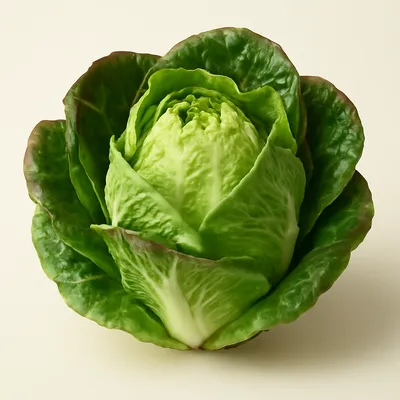
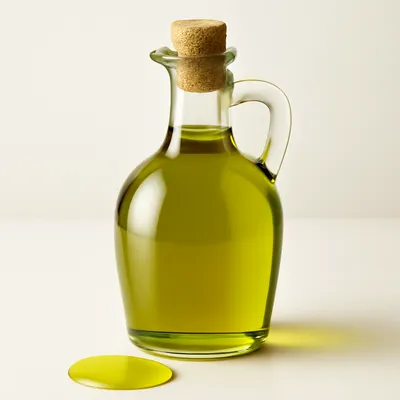
The dish many Apulians name first when asked to picture their home cooking: a smooth, warm purée of dried fava beans set against a tangle of boiled wild chicory, bound by a generous pour of grassy local olive oil. The fava is cooked down with nothing but water and salt until it collapses to a soft cream, sweet and starchy; the chicory comes bitter and faintly mineral. Spooned together, the sweet purée and bitter greens are the whole idea. No pasta, no meat, just the two halves and good Apulian oil.
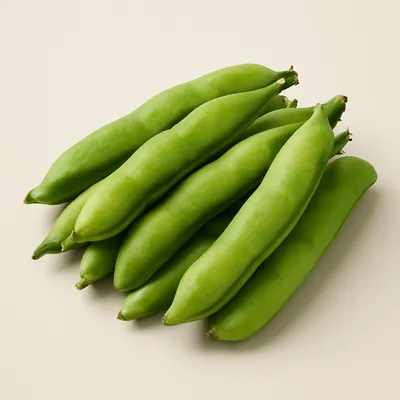



A pillar of Apulian and neighbouring Lucanian cucina povera, in parts of the region called 'ncapriata, a dialect name traced back through Latin to a Greek term for a mush of crushed pulses, a hint of how old the pairing is. Fava beans and bitter field greens were the everyday food of peasants and shepherds: legumes were sown to renew the soil between grain crops and, unlike wheat, were not owed to the landlord as rent, so they stayed on the poor man's table. The combination is recognized among Apulia's traditional agri-food products (PAT). It is distinct from the region's fava-and-chicory pasta dishes, being a purée served beside greens rather than a sauce for cavatelli.
Comfort built on contrast. The fava purée is warm, dense and almost sweet, the texture of loose mashed potato; the chicory beside it is assertively bitter and a little chewy. Together they balance, the oil tying them with a peppery, green richness. Best mopped up with bread, with a few rings of raw onion or a chili for bite.
Two opposite cooking jobs. Dried, peeled fava beans are soaked, then simmered very gently in plenty of water, skimmed and stirred, until the cell walls break down and the starch swells into a creamy purée; peeled (nette, skinless) favas give the smoothest result and need no sieving. The chicory is blanched in abundant boiling water, which leaches out and tames its sharpest bitterness while keeping it green. Olive oil added raw at the table emulsifies lightly into the warm purée and carries the dish, since there is no other fat or stock to enrich it.
Variations
Wild chicory (cicoriella) is the traditional green, but cultivated chicory, dandelion or other bitter leaves stand in. Some cooks add a peeled potato to the favas for an even silkier purée, or scent the pot with a bay leaf. Toasted bread cubes, raw onion, fried peperoni cruschi or a dusting of chili are common at the table; a few sauté the boiled chicory in garlic and oil before plating.
On the Palate
Where Fave Nette e Cicoria sits in the Italian flavor cloud
Ingredients
Serves 4How it's made
6 steps · 30 min active + 2 hours waiting
- 1120 min
Soak peeled dried fava beans in cold water for at least 2 hours, or overnight, then drain.
- 28 min
Put the favas in a pot with plenty of fresh water and a little salt, bring to a gentle simmer and skim.
- 390 min
Cook slowly, stirring now and then, for about 1.5 hours until the beans collapse into a smooth, thick cream; beat or mash to a purée and adjust salt.
Watch outCook the favas down until they collapse into a smooth, thick cream — under-cooked, the purée stays grainy and thin.
- 410 min
Meanwhile, trim and wash the wild chicory and blanch it in abundant boiling salted water until tender.
Watch outBlanch the chicory in plenty of boiling water — that abundant water leaches out and tames its sharpest bitterness.
- 54 min
Drain the chicory well and, if desired, toss it briefly with garlic in olive oil.
- 62 min
Spoon the warm fava purée onto plates, lay the chicory alongside, and finish both with a generous pour of extra virgin olive oil.
Archive tool suggestions — not reviewed
These legacy suggestions have not been evidence-reviewed and are not presented as required tools.


