
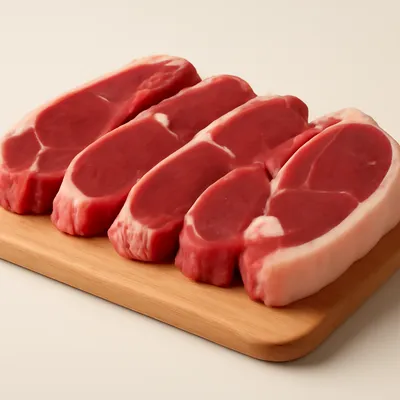
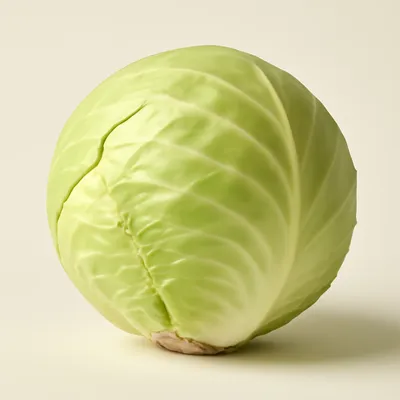
Castradina is the Venetian soup of cured mutton eaten above all on the Festa della Madonna della Salute, the city's votive feast on November 21. The meat is castrato, a wether or castrated ram, salted and lightly smoked and air-dried so that it keeps and travels, with a deep, almost gamey savour quite unlike fresh lamb. It is first blanched and the strong first water thrown away to tame the salt and the muttony edge, then simmered for hours with Savoy cabbage, onion, wine and broth until the meat falls into tender shreds and the cabbage drinks up the rich, fatty liquid. Soupy and warming, it is a late-autumn dish, a plate of memory as much as of food, tied to one day in the Venetian year.




Castradina is reckoned among the oldest surviving Venetian dishes, and its cured mutton reflects the maritime reach of the Serenissima. The meat came from across the Adriatic, from Dalmatia and the wider Balkan Slavic lands of Venice's Stato da Mar, salted and dried at source so that it survived the sea passage; a price-list attributed to Doge Sebastiano Ziani in 1173 is said to record sicce carnis de Sclavinia, dried Slavonian meat, an early documented trace of the trade. The dish became bound to the Festa della Madonna della Salute, the feast that thanks the Virgin for ending the plague of 1630 to 1631, which killed roughly 47,000 in the city, about a third of its people. In October 1630 Doge Nicolo Contarini vowed a votive church if the city were spared; the great domed basilica of Santa Maria della Salute, designed by Baldassare Longhena, rose from 1631 and was consecrated decades later, in 1687. A common account holds that during the plague, when much of the mainland shunned the stricken city, Dalmatian shippers kept bringing supplies including their cured mutton, and so castradina was honoured on the feast day. Every November 21 Venetians still cross a temporary votive pontoon bridge thrown over the Grand Canal to the basilica, and eat castradina.
The first spoon is all depth: a dark, savoury broth slicked with mutton fat, faintly smoky, salty in a tamed and rounded way after the first water has gone. The meat pulls into soft, fibrous shreds with a frank gamey note that fresh lamb never has, and the Savoy cabbage, collapsed and silky, carries the fat right through it. Onion sweetness and a little wine acidity sit under the richness; pepper and bay lift the back of the bowl. It eats warm, heavy and slow, the kind of soup that wants dark bread and a cold day.
Everything turns on two things: drawing the strength out of a heavily cured cut, then coaxing a tough one tender. The mutton was preserved by salt-curing and air-drying, which pull water out of the meat and lock it below the level bacteria need, the same logic as a ham, so the joint could keep for months and cross the sea. That same salt, plus the pronounced muttony odour, has to be moderated before eating: the meat is blanched in water brought to the boil and that first water is discarded, which leaches out a load of dissolved salt and carries off much of the volatile branched-chain fatty acids, chiefly 4-methyloctanoic and 4-methylnonanoic acid, that give old sheep its strong smell. The long, gentle simmer that follows, an hour or two at a bare 85 to 95°C, hydrolyses the dense collagen of this hard-working cut into gelatin, so the fibres slip apart into tender shreds and the broth thickens and coats the spoon. The Savoy cabbage, added later, softens as its cell walls break down and acts like a sponge for the emulsified fat and gelatin, while onion cooked down at the start lends sweetness and body to the base.
Variations
Recipes differ house to house and butcher to butcher. The cabbage is usually Savoy (verza), though plain green cabbage stands in; the wine may be white or red, and many cooks blanch the mutton twice, through two changes of water, when the cure is especially strong or salty. Some build the base as a proper soffritto of onion, celery and carrot before the meat goes back in; others keep it austere, little more than mutton, cabbage and onion. Beans or potatoes turn up in heartier versions to stretch the pot. Good cured castradina is itself a regional product, traditionally the salted, smoked and dried leg or shoulder, and the better the meat, the simpler the soup tends to be.
On the Palate
Where Castradina sits in the Italian flavor cloud
Ingredients
Serves 6

How it's made
8 steps · 30 min
- 115 min
Cut about 1 kg of cured castrato mutton (salted, smoked and dried leg or shoulder) into large chunks, bone and all where present.
- 215 min
Put the mutton in a pot, cover with cold water, bring to the boil and blanch a few minutes, skimming the scum; tip away this first water entirely to draw off excess salt and the strong muttony odour, and rinse the meat. Repeat once if the cure is very strong.
Watch outTip away the first blanching water entirely — this leaches out the heavy cure salt and the strong muttony odor; skip it and the soup is inedibly salty and rank.
- 312 min
Soften a sliced onion gently in a little oil or fat in a heavy pot until sweet and translucent, the base of the soup.
- 410 min
Return the drained mutton to the pot, pour in a glass of wine and let it cook off, then add enough beef broth and water to cover well; tuck in a bay leaf and some black pepper.
- 5110 min
Bring to a bare simmer, partly cover, and cook gently at 85 to 95°C for about 1.5 to 2 hours, until the mutton is very tender and pulling apart; skim fat as needed.
Watch outCook at a bare 85–95 degrees, never a hard boil — gentle heat turns the tough cured mutton meltingly tender without seizing the fibers.
- 635 min
Cut a head of Savoy cabbage into wide ribbons, add it to the pot and simmer a further 30 to 40 minutes until the cabbage is silky and has soaked up the broth.
- 75 min
Taste and adjust the salt carefully, remembering the meat is already cured; let it settle off the heat a few minutes.
Watch outTaste before adding salt — the meat is already cured, so season carefully or the whole pot goes over-salted.
- 83 min
Ladle out hot and deep, with plenty of broth and a chunk of meat in each bowl, traditionally with dark bread alongside.
Archive tool suggestions — not reviewed
These legacy suggestions have not been evidence-reviewed and are not presented as required tools.


