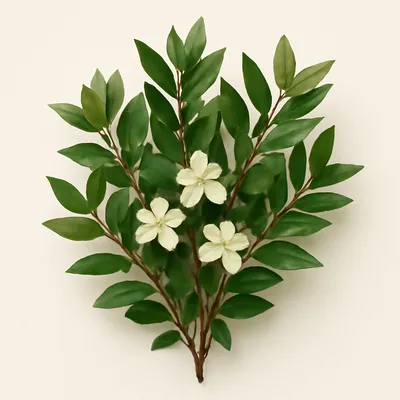




A central Sardinian shepherd dish, traceable through Latin sources to the Roman period and continuous through the Nuragic-Sardinian pastoral tradition. The wood matters: myrtle (mirto) is endemic to the island's macchia scrubland and was the available fuel for inland shepherds; the dish exists because of what Sardinia smells like, not the other way around. Traditionally served at festas and weddings.
Sardinian shepherd's whole suckling pig, spit-roasted vertical (sa furria furria) over myrtle and juniper embers for 4-6 hours. Salt is the only seasoning; the macchia scrubland is the marinade.
A whole suckling pig, three to four kilos, spit-roasted vertical over myrtle and juniper embers for four to six hours. The skin comes out lacquer-dark and shatter-crisp; the flesh underneath is white, moist, smelling of resinous brush. Served sliced onto fresh myrtle branches that perfume it further as it rests. Salt is the only seasoning; no marinade, no rub, no sauce.
Turning the spit continuously (furria furria, Sardinian for "turn-turn") is technical, not decorative, and central Sardinians traditionally cook it on a vertical spit. Cooking the animal upright lets fat render down through the meat instead of dripping onto coals and flaring up; flare-ups would soot the skin and make it bitter rather than crisp. The myrtle isn't smoked into the meat — it perfumes the cooked surface during the rest, when residual heat draws the volatile oils into the fat just under the skin.
Variations
Central-Sardinia Barbagia version sticks to myrtle-only embers; Ogliastra coastal cooks add juniper for sharper resin; Cagliari restaurants now finish over oak when myrtle is scarce.
On the Palate
Where Porceddu sits in the Italian flavor cloud
Keep the fat rendering away from the coals: cook the pig upright and turn it constantly so the fat drips down through the meat, not onto the fire — flare-ups soot the skin bitter instead of crisp.
Ingredients
How it's made
5 steps · 6 hours
- 111 min
Prepare the suckling pig by cleaning and seasoning it with salt and rosemary.
- 227 min
Build a fire using myrtle wood and let it burn down to hot coals.
Watch outWait until the flames are gone and the wood glows red with a light ash coat — that's the moment to start, not while it's still blazing.
- 3134 min
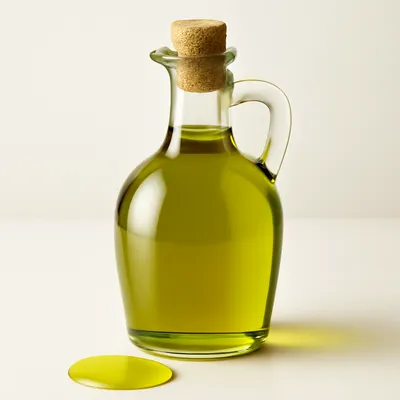
Place the pig on a spit and roast slowly over the coals, basting with olive oil.
Watch outBaste with olive oil as you go so the skin stays supple and browns evenly instead of drying and cracking.
- 427 min
Rotate the pig consistently to ensure even cooking.
Watch outKeep the pig turning steadily; stop and one side scorches while the other stays pale.
- 5161 min
Allow the pig to rest before carving and serving.
Watch outGive it a proper rest before carving; the skin firms up crisp and the aroma settles into the fat.
Archive tool suggestions — not reviewed
These legacy suggestions have not been evidence-reviewed and are not presented as required tools.