
A springtime vegetable stew from Basilicata, built on the first fresh broad beans (fave), young artichokes and potatoes, softened with onion in olive oil and stewed gently until everything melts together. Italian Wikipedia's Cucina lucana entry records it as a contorno of potatoes, artichokes, onions and pancetta; in the countryside it is just as often made meatless, a way of cooking the garden's spring harvest all in one pot. A little pancetta or guanciale is the usual enrichment when there is meat to spare. It is eaten as a substantial side or, with bread, as a light main, and belongs to the lean cucina contadina of the Matera and Potenza provinces.
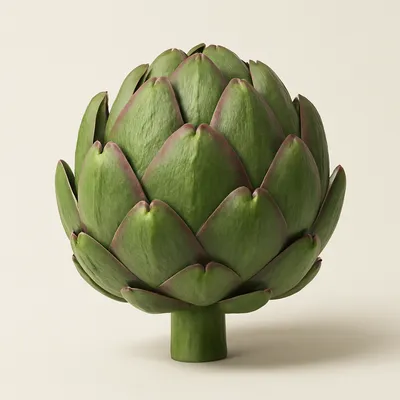





Ciaudedda is a documented dish of Lucanian peasant cooking (cucina contadina), named in Italian Wikipedia's survey of the cuisine of Basilicata as a contorno of potatoes, artichokes, onions and pancetta. Its character is dictated by season rather than by any recorded inventor or date: it is made in spring, when fresh broad beans and tender artichokes come in together, and reads as a one-pot way of using that brief harvest. The dish is associated above all with the Matera area and the wider region's lean tradition of cooking what the kitchen garden gives; no single town claims it and no precise origin is on record, so it is best understood as a household springtime stew rather than a dish with a fixed founding story. Where the version with broad beans is concerned, fave have been a staple legume of the southern Italian poor for centuries, dried for winter and eaten fresh in spring, which is why they anchor the seasonal form of the dish.
Soft and brothy rather than soupy: the potato half-collapses and thickens the oil and vegetable juices into a loose, glossy sauce, the broad beans stay just-tender with a faint green sweetness, and the artichoke turns silky with a gentle bitterness underneath. The onion all but disappears, leaving a sweet base, and the olive oil carries everything. With pancetta there is a low savoury, faintly smoky depth; without it the dish tastes cleanly of spring vegetables. It is best warm rather than hot, mopped up with bread.
The dish works by staggering vegetables of different densities so they finish together in one gentle stew. Onion goes in first and is sweated slowly in olive oil to draw out its sugars without browning, building a mild base; the potatoes and artichokes, which are dense and slow, follow with a little water and cook covered at a bare simmer so they soften through rather than fry. Broad beans, the quickest to go from firm to mealy, are added late so they keep their shape and sweetness. Trimmed artichokes are held in acidulated (lemon) water before cooking because cut surfaces brown fast: the enzyme polyphenol oxidase reacts with phenols in air, and the acid lowers the pH to slow it. Older broad beans are usually skinned, since the outer seed coat toughens with maturity; very young pods need only podding. The long, low oil-stewing keeps the vegetables intact and lets their flavours concentrate as the liquid reduces, rather than leaching them into a thin broth.
Variations
The most common split is meatless versus enriched: a pure-vegetable version for lean days and fasts, or one started with diced pancetta or guanciale rendered in the oil. Families adjust the mix to what the garden yields — some add peas, wild greens or a little tomato, others leave the broad beans out entirely and make the potato-artichoke-onion contorno that the encyclopedic entry describes. The texture ranges from drier, almost sautéed, to looser and more stew-like with extra water. It belongs to the same southern-Italian family of spring-vegetable braises as the Roman vignarola and the Apulian habit of pairing broad beans with greens, though Ciaudedda keeps the potato that those dishes usually omit.
On the Palate
Where Ciaudedda sits in the Italian flavor cloud
Ingredients
Serves 4


How it's made
5 steps · 35 min active + 40 min waiting
- 120 min
Pod the broad beans; if they are large or older, blanch briefly and slip off the tough outer skins. Peel and dice the potatoes. Trim the artichokes down to the tender hearts, halve or quarter them, and keep them in a bowl of water with a squeeze of lemon to stop them browning. Slice the onion thinly.
- 210 min
Warm a generous amount of extra virgin olive oil in a wide pot over low-medium heat. If using pancetta, add it now and let it render and lightly colour. Add the onion and sweat it slowly until soft and translucent but not browned, about 8 to 10 minutes.
Watch outSweat the onion slowly until soft and translucent but not browned — you want its sugars drawn out for a mild base, not a fried, browned edge.
- 318 min
Add the drained artichokes and the potatoes, stir to coat in the oil, then pour in enough water to come about halfway up the vegetables. Season lightly with salt, cover, and cook at a gentle simmer until the potatoes and artichokes are nearly tender, about 15 to 20 minutes, stirring now and then.
- 413 min
Stir in the broad beans, re-cover and continue cooking until the beans are tender and the potato has begun to break down and thicken the liquid into a loose sauce, about another 10 to 15 minutes. Add a splash more water if it gets too dry.
Watch outAdd the broad beans late so they keep their shape and sweetness — they go from firm to mealy fast, and the potato breaking down is what thickens the stew.
- 55 min
Taste and adjust the salt, add black pepper, and finish with a thread of raw olive oil. Let it settle off the heat for a few minutes and serve warm, with bread for the juices.
Archive tool suggestions — not reviewed
These legacy suggestions have not been evidence-reviewed and are not presented as required tools.



