
The signature stockfish dish of Mammola, a hill town in the Aspromonte massif in the province of Reggio Calabria, Calabria. Air-dried Norwegian cod (stoccafisso — unsalted, distinct from salt-cured baccalà) is soaked back to softness over several days, then stewed gently with potatoes, tomato, sweet peppers (peperoni), olives, capers, Tropea onion and a little chilli in olive oil. The pot is simmered low and left unstirred so the fish stays in clean flakes while the potatoes drink up the sauce. It is Calabria's most emblematic stockfish preparation, celebrated each year at Mammola's Sagra dello Stocco, and is traditionally served hot in a terracotta bowl with bread.




Stockfish reached Calabria through the long Mediterranean trade in Norwegian air-dried cod from the Lofoten Islands; documented sources place the establishment of the trade in the 16th century, when dried cod imported into Naples — capital of the viceroyalty — moved south by sea and then inland by mule to towns like Mammola, where it was soaked and worked artisanally (local lore traces the custom further back to the Middle Ages, though this is not firmly documented). Cheap, keeping for months, and rich in protein, stockfish became a staple of the rural poor and a Lenten food, and Mammola — along with nearby Cittanova — grew into one of Calabria's main stockfish-working centres. The «alla mammolese» preparation is recognised by the comune as a De.Co. (Denominazione Comunale di Origine) and is listed among Italy's Traditional Agri-food Products (PAT); it is not a DOP or IGP. Mammola has held its Sagra dello Stocco each August since 1978. Like the Marche's Stoccafisso all'Anconetana, it is a Mediterranean tomato-and-olive treatment of the same Nordic dried cod, but the Calabrian version is built on sweet peppers and chilli rather than the anchovies, tuna and Verdicchio wine of the Ancona school.
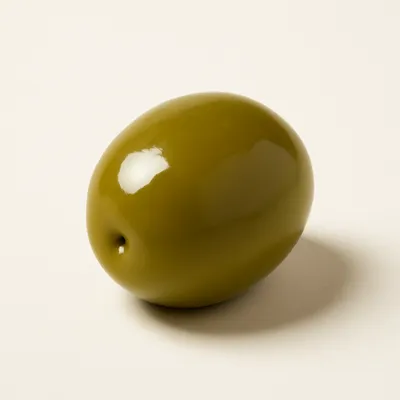
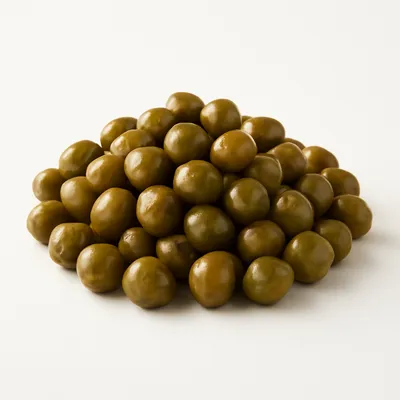
Rehydrated stockfish keeps a fibrous, flaky texture that fresh cod cannot match — denser and more concentrated, with a faint salt-air, aged savour. The sauce around it is bright and sweet-sharp: ripe tomato and soft sweet peppers carry the body, green olives and capers stab in salt and acid, and the chilli lays a slow Calabrian heat underneath. The potatoes, simmered in the same pot, go soft and saturated and become part of the dish rather than a side. Served hot in a terracotta bowl, the cod parts into clean flakes at the touch of a fork while still holding its shape.
Air-drying removes roughly 70 percent of the cod's water and concentrates it so far that about 1 kg of stockfish answers to some 5 kg of fresh fish; rehydration is therefore the whole game. Over several days in frequently changed cold water the muscle proteins re-bind water and the flesh swells back toward its original volume — soak too little and it stays leathery, and skipping the step leaves it inedible. The drying itself breaks down part of the connective collagen, which is why rehydrated cod separates into flakes more readily than fresh cod. Because those flakes are delicate and fall apart easily, the stew is held at a bare simmer and never stirred; the pot is only swirled by the handle so the bottom does not catch. Using true air-dried stoccafisso rather than salt-cured baccalà matters: the unsalted, air-dried fish gives the firmer, more fibrous flake and the clean, concentrated cod flavour the dish is built on, and it carries no cure-salt to purge.
Variations
The closest counterpart is the Marche's Stoccafisso all'Anconetana, the same Nordic cod given a tomato-and-olive stew but built around anchovies, tuna and Verdicchio white wine and guarded by Ancona's Accademia dello Stoccafisso all'Anconetana (founded 1997); the Mammolese leans instead on sweet peppers and chilli and uses no wine or anchovy. Within Calabria, the town of Cittanova is the other major stockfish centre and cooks a very similar potato-tomato-olive stew, sometimes labelled «alla ghiotta». Home cooks vary the heat freely — a generous hand with peperoncino, or none at all for children — and some add a few sweet red peppers preserved in oil out of season. The dish should not be confused with the cream-and-milk Baccalà alla Vicentina of the Veneto, which despite its name is also made from stockfish but in an entirely different, dairy-rich style.
On the Palate
Where Pesce Stocco alla Mammolese sits in the Italian flavor cloud
Ingredients
Serves 4


How it's made
8 steps · 30 min
- 110 min
Several days ahead, soak the dried stockfish in plenty of cold water in the refrigerator, changing the water two to three times a day, until the fish is fully rehydrated, soft and pliable (about 3 to 7 days depending on thickness). Drain, remove any skin and bones, and cut into large chunks.
Watch outSoak the stockfish 3 to 7 days in frequently changed cold water — soak too little and it stays leathery; this rehydration is the whole game.
- 28 min
In a wide heavy pot or terracotta pan, warm a generous pour of olive oil over low-medium heat and gently sweat the sliced Tropea onion until soft and translucent, without browning.
- 35 min
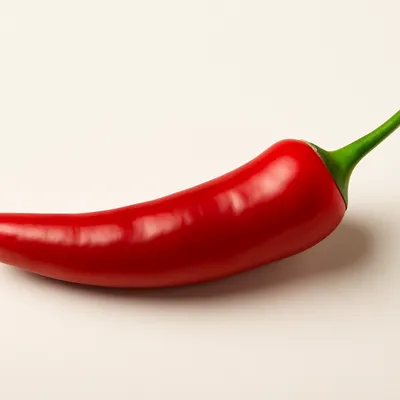
Add the sweet peppers cut into strips and the chilli, and cook a few minutes until the peppers begin to soften.
- 45 min
Pour in the tomatoes (peeled and crushed, or passata), season lightly, and let the sauce come to a gentle simmer.
- 512 min
Lay the potato chunks into the sauce and add a little water if needed to nearly cover, then simmer gently until the potatoes are about half-cooked.
- 64 min
Nestle the stockfish pieces into the pot among the potatoes, then scatter over the olives and capers. Do not stir from here on.
Watch outOnce the fish and olives go in, stop stirring — swirl the pot by the handle instead, or the delicate flakes break apart.
- 755 min
Cover and simmer very gently, swirling the pot by its handle now and then so nothing sticks, until the fish is tender and flaking and the potatoes are soft and have absorbed the sauce, about 45 to 60 minutes.
Watch outSimmer very gently until the fish flakes and the potatoes drink the sauce — a rough boil scatters the fish before the potatoes soften.
- 86 min
Taste and adjust salt (the capers and olives are already salty), finish with chopped parsley and a thread of raw olive oil, and let the stew rest a few minutes before serving hot in bowls with bread.
Archive tool suggestions — not reviewed
These legacy suggestions have not been evidence-reviewed and are not presented as required tools.



