
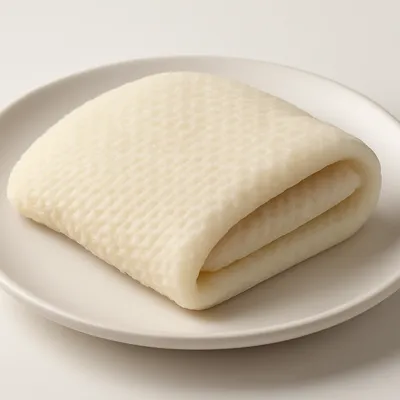
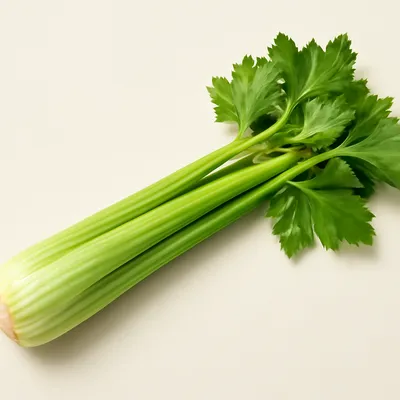
A hearty Milanese (Lombard) winter soup of honeycomb beef tripe slow-simmered with white beans. Cleaned tripe is cut into strips and cooked down with a soffritto of onion, carrot and celery, then tomato or passata and cannellini or borlotti beans, often with Savoy cabbage, until the broth turns thick and the tripe is meltingly tender. It is finished with grated Parmigiano and served piping hot, traditionally with bread. So bound up with the city was this dish of cheap offal that Milanese were once nicknamed «busecconi», the tripe-eaters. It is distinct from the bean-less Roman trippa alla romana and from Florentine trippa and lampredotto.



Busecca is a dish of the Lombard cucina povera — peasant cooking that turned cheap offal into a filling winter meal. «Busecca» is the Milanese-dialect word for tripe; it is widely said to derive from the Germanic «butze» (guts), though the etymology is folk-attributed rather than firmly documented. The dish dates back at least to the late Middle Ages and was tied to cold-weather gatherings: it was eaten at country fairs and cattle markets, where it cheaply warmed merchants and carters, and traditionally on Christmas Eve, when farmers ate it after midnight Mass. So thoroughly was Milan identified with the dish that its people were nicknamed «busecconi» — the tripe-eaters — a tag still cited as a badge of Milanese identity. Beans (cannellini or borlotti) and tomato distinguish the Milanese version from tripe preparations elsewhere in Italy; tomato is standard in the modern recipe, having entered Italian cooking only from the late 18th century onward.
Spoon-soft strips of honeycomb tripe, yielding and faintly springy, with none of the rubberiness of undercooked tripe. The beans are creamy and half-collapsed, and together with the leached bean starch they thicken the broth into something between a soup and a stew — a brick-coloured, tomato-tinted liquid you can almost stand a spoon in. Savoy cabbage, if used, adds a soft sweetness. A heavy dusting of Parmigiano melts on top, lending salt and savour. It eats rich, warming and deeply savoury, the kind of bowl built for a cold Milanese winter.
Tripe is the muscular stomach lining of cattle — almost pure connective tissue, dense in collagen, which is why it is tough and rubbery raw and needs long, gentle cooking. Held in liquid at a low simmer (roughly 80-90°C) for two to three hours, the collagen slowly hydrolyses to gelatin; collagen begins converting at around 70°C and dissolves steadily above it, so a patient simmer turns the tripe silky-tender while never boiling hard enough to make it tough or rags. Pre-blanching and thorough cleaning matter because raw tripe carries strong odours and impurities from the stomach; a quick boil-and-rinse before the main cook strips these off and leaves a clean-tasting base. The beans do double duty: as they soften, starch leaches from them into the broth and gelatinises, thickening the liquid into the dish's signature body, an effect reinforced by the gelatin from the tripe itself.
Variations
Recipes vary on the bean (cannellini or borlotti) and on whether Savoy cabbage goes in — the cabbage version is common in Lombardy and makes the soup heartier. «Busecca matta» («mad busecca»), despite the name, contains no tripe at all: it is a poverty-era trick in which thin omelette is cut into strips to mimic tripe, then dressed with tomato. Busecca stands clearly apart from other Italian tripe dishes: Roman trippa alla romana is braised with tomato, fresh mint and Pecorino Romano and uses no beans; Florentine trippa alla fiorentina is tripe in tomato sauce finished with Parmigiano (no mint); and lampredotto, Florence's famous street food, is made from the abomasum — the fourth stomach — rather than the honeycomb, and is served simmered, often in a bread roll.
On the Palate
Where Busecca sits in the Italian flavor cloud
Ingredients
Serves 6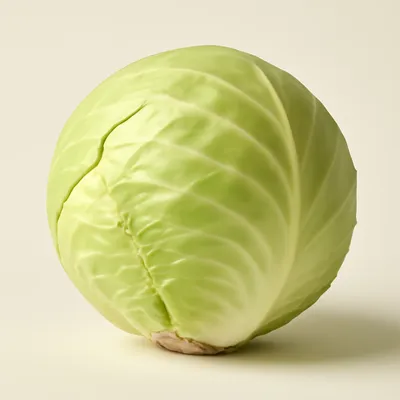



How it's made
7 steps · 30 min
- 120 min
Rinse the cleaned honeycomb tripe well, then blanch it: drop into boiling water for 5-10 minutes, drain and rinse to remove odours. Cut into thin strips about 1 cm wide.
Watch outBlanch the tripe and rinse it well first — raw tripe carries strong stomach odors, and skipping the blanch leaves the whole pot smelling off.
- 210 min
In a heavy pot, gently soften a soffritto of finely chopped onion, carrot and celery in butter or olive oil over medium-low heat until translucent, about 8-10 minutes.
- 35 min
Add the tripe strips and stir for a few minutes to coat, then pour in a little white wine (optional) and let it evaporate.
- 45 min
Stir in the tomato passata, then cover with hot beef or vegetable broth. Bring to a gentle simmer.
- 5110 min
Simmer low and slow, partly covered, for about 1.5-2 hours, until the tripe is tender, topping up with broth as needed.
Watch outKeep it at a low, patient simmer for a couple of hours until the tripe turns silky-tender — a hard boil toughens it into rubbery rags.
- 635 min
Add the beans (and the shredded Savoy cabbage, if using) and continue simmering for 30-40 minutes more, until the beans are creamy and the broth has thickened. Season with salt and pepper.
Watch outSimmer the beans in until they're creamy and the broth thickens — that's when the soup pulls together into one body.
- 73 min
Serve piping hot in bowls, dusted generously with grated Parmigiano and, if you like, with bread or toasted slices on the side.
Archive tool suggestions — not reviewed
These legacy suggestions have not been evidence-reviewed and are not presented as required tools.


