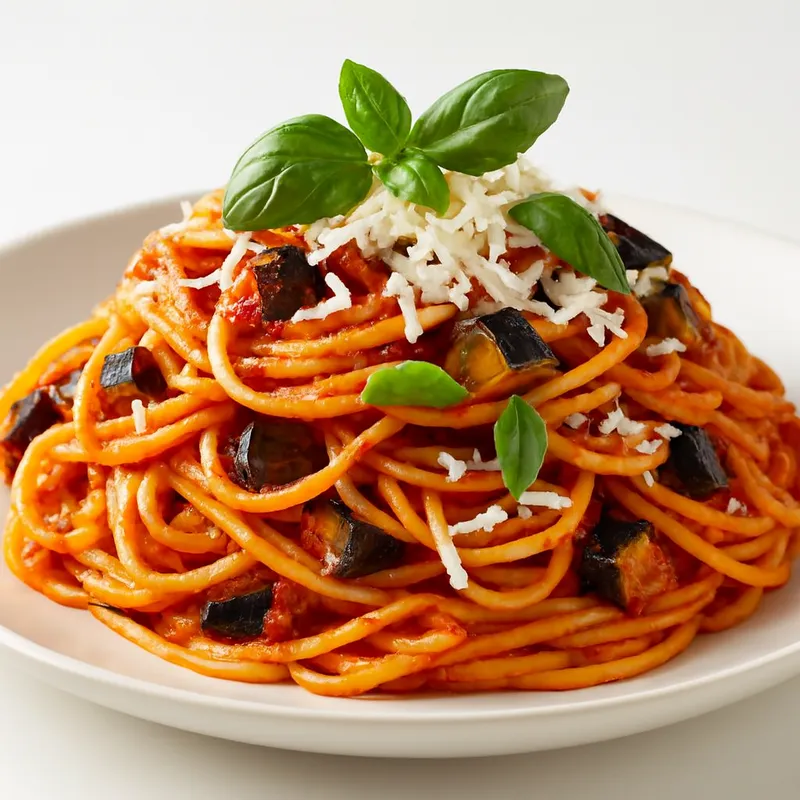
Torta di Nocciole is the signature hazelnut cake of the Langhe hills in southern Piedmont, built around the prized Tonda Gentile hazelnut of the region. In its most traditional form it is flourless, made from little more than finely ground toasted hazelnuts, eggs, sugar, and butter, with cocoa or a spoonful of flour as optional and rather unorthodox additions. The result is a low, dense, rustic cake with an intensely roasted-nut aroma and a fine, moist crumb. It is a fall and winter treat that puts the season's hazelnut harvest to use, and is classically eaten plain, dunked in Moscato, or spooned over with warm zabaione.
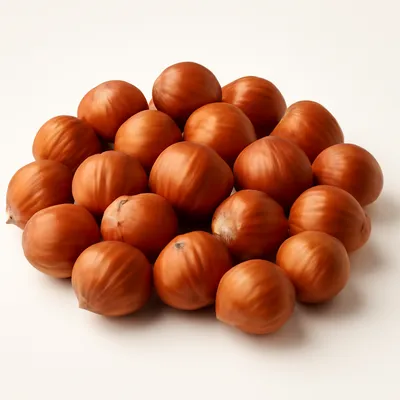




The cake comes from the Langhe and Roero districts in the province of Cuneo, around Alba and the town of Cortemilia in the Alta Langa, the heart of growing for the Tonda Gentile hazelnut. That nut, also called Tonda Gentile delle Langhe or, commercially, Tonda Gentile Trilobata, is the basis of the Nocciola Piemonte protected geographical indication (IGP), granted by ministerial decree on 2 December 1993; the protected status sits on the hazelnut, not on the cake. The torta has humble peasant roots, traditionally baked around Christmas from nuts left over after the summer harvest, in a region where wheat flour was relatively scarce and the local nut abundant, which is one reason the oldest versions lean flourless. No single founding recipe or date is recorded, and Piedmontese pastry chefs later codified one branded form, the «Torta Cortemilia», whose disciplinare fixes a 35% share of Nocciola Piemonte IGP alongside eggs, sugar, and butter.
The cake sits low and dense, with a fine, moist crumb and a thin crisp top. The flavor is intensely of toasted hazelnut — sweet and rich but carried by a faint roasted bitterness from the nut, and it is never cloyingly sweet. Plain, it eats almost like a sweet, tender nut paste held together; dunked into a glass of Moscato or topped with warm, frothy zabaione, it loosens into something looser and more indulgent.
Toasting the hazelnuts is the key step: heat drives the Maillard reaction between the nuts' free amino acids and sugars, generating the pyrazines and the marker compound filbertone that read as «roasted, nutty», while the heat also dries and loosens the thin skin so it rubs off. The ground nuts stand in for flour, and because they carry almost no gluten and a high share of oil, the crumb stays tender and moist rather than tough. Whipped whole eggs, or whipped whites folded back in, trap air and set as they bake to give the low cake its lift and fine structure; in fully flourless versions that egg foam, coagulating around 65 to 70°C, is essentially the only scaffold. The cake is baked in a moderate oven, around 170°C, slowly enough to cook through the dense, oil-rich batter without scorching the surface.
Variations
The recipe is not fixed, and versions are made with or without a little 00 flour or potato starch; a spoonful of cocoa or melted chocolate is sometimes added, nodding to gianduja, the Turin chocolate born when pastry chefs eked out scarce cocoa with cheap Tonda Gentile hazelnuts. The Langhe original is often eaten with zabaione or dunked in Moscato; the codified «Torta Cortemilia» is the branded, flour-and-butter form. It belongs to a wider family of Piedmontese hazelnut sweets that includes the chewy Brutti ma Buoni meringue-nut drops and the paired Baci di Dama biscuits.
On the Palate
Where Torta di Nocciole sits in the Italian flavor cloud
Ingredients
Serves 8
How it's made
6 steps · 30 min
- 115 min
Toast the hazelnuts in a 170°C oven for about 12 to 15 minutes until fragrant and golden, then rub them in a clean cloth to loosen and remove most of the thin skins.
Watch outToast the hazelnuts to golden and fragrant, then rub off the skins — that roast is the cake's whole nutty flavor; raw nuts taste flat.
- 28 min
Let the nuts cool completely, then grind them with a little of the sugar in a food processor to a fine meal, stopping before they turn to paste.
Watch outGrind with a little sugar and stop before it turns to paste — over-grind and the nuts release oil and clump into hazelnut butter.
- 36 min
Whip the eggs with the remaining sugar until pale, thick, and tripled in volume; if making it lighter, separate and whip the whites to soft peaks.
- 45 min
Gently fold the ground hazelnuts and the cooled melted butter into the egg foam, keeping the mixture airy, and fold in the optional flour or cocoa if using.
Watch outFold the nuts and butter in gently to keep the foam airy — deflate the whipped eggs now and the low cake bakes up flat and dense.
- 545 min
Pour the batter into a buttered and lined round tin, level the top, and bake at 170°C for about 35 to 45 minutes until set and a skewer comes out clean.
- 660 min
Cool the cake in the tin, then turn out, dust with sugar, and serve plain, with zabaione, or with a glass of Moscato.
Archive tool suggestions — not reviewed
These legacy suggestions have not been evidence-reviewed and are not presented as required tools.