
Tegole di Aosta are thin, brittle wafer biscuits of finely ground almonds and hazelnuts bound with egg white, sugar, melted butter and a little flour. The batter is spread into wide rounds and baked until the rims caramelize to a deep gold while the centres stay pale. Pulled hot from the oven, each disc is still soft and is draped over a rolling pin or curved mould so it sets into the gentle arch of a terracotta roof tile, which is what tegola means. The result snaps cleanly and tastes intensely of toasted nuts and browned butter. They are the signature confection of the city of Aosta, eaten with coffee, dessert wine or a cup of the regional grolla.
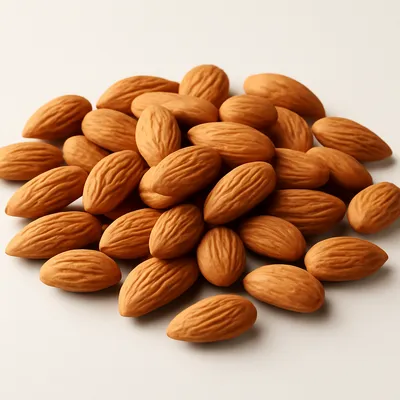
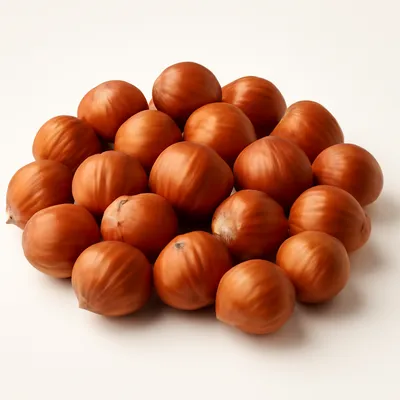




Tegole are the best-known sweet of Aosta, the small Alpine capital of the Valle d'Aosta. They descend directly from the French and Savoyard tuiles aux amandes — the thin almond tiles curved over a form — which crossed the nearby Alpine passes into a region that has always sat at the cultural seam between Italy and French-speaking Savoy. The Valdostan version is generally credited to the Boch confectioners of Aosta (Pasticceria Boch), who in the early twentieth century enriched the French tuile with hazelnuts and made it their house specialty; the recipe is widely repeated to date from around 1930, though the firm's account is the principal source for the exact year. The hazelnut addition is no accident: just across the regional border in Piedmont lies the home of the prized Tonda Gentile hazelnut (Nocciola Piemonte), and the nut runs deep through the confectionery of the whole north-west. The biscuits were quickly imitated by other Aosta pastry shops and have become the city's edible emblem, sold in tall tins to travellers and pilgrims.
The first bite is a clean, glassy snap that breaks into shards. Toasted almond and hazelnut flood the palate, lifted by the nutty depth of browned butter and a thin band of bitter caramel at the rim where the edge baked darkest. The texture is bone-dry and lacy, never chewy, and the biscuit all but dissolves, leaving a long roasted-nut finish and a faint butterscotch sweetness.
The crispness is built from sugar and protein, not gluten. Egg white provides a film of albumen proteins that coagulate and set in the heat, while the high ratio of sugar dissolves, spreads and then re-solidifies into a hard, glassy matrix as the biscuit cools — the sugar passing through its glass transition is what makes the cooled tile rigid and brittle rather than soft. The very thin spread is deliberate: it lets moisture flash off fast and exposes the whole surface to the oven's dry heat, so the rim browns evenly through the Maillard reaction between egg and milk proteins and reducing sugars, with light caramelization of the sucrose at the hottest edges. Oils from the ground almonds and hazelnuts plus the melted butter coat the few flour starch granules and shorten the structure, giving the short, clean snap instead of a bready chew. The shaping exploits a narrow window: straight from the oven the hot biscuit is pliable because its sugars are still above the glass-transition temperature, so it drapes over a curved form; within seconds, as it cools below that point, the sugar matrix freezes the arch in place. Because the set structure is hygroscopic, the tiles must be cooled fully and stored airtight, or ambient humidity softens the sugar glass and the snap is lost.
Variations
Recipes vary in the almond-to-hazelnut ratio; some Aosta houses lean almost entirely on hazelnut for a darker, more Piedmontese flavour, others keep a fifty-fifty balance. A version finished with a dusting of icing sugar or a thin veil of dark chocolate on the underside is common, and some makers fold in a little cocoa or coffee. Flat, un-curved discs are sold as a simpler everyday biscuit, while the draped tiles remain the festive form. The same batter is close kin to the French tuile aux amandes and to Italian lingue di gatto, which use a similar egg-white, sugar and butter base spread thin.
On the Palate
Where Tegole di Aosta sits in the Italian flavor cloud
Ingredients
Serves 8
How it's made
7 steps · 42 min active + 35 min waiting
- 18 min
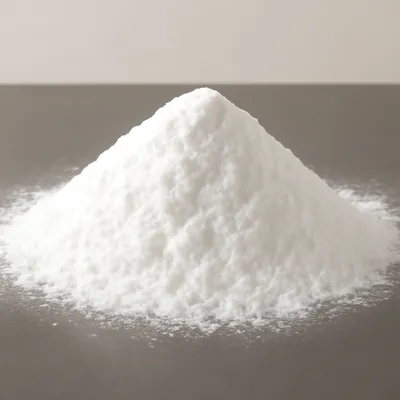
Toast the almonds and hazelnuts in a 160°C oven until fragrant and lightly coloured, then cool completely and grind them fine with part of the sugar so the nuts release their aroma without turning to paste.
- 25 min
In a bowl, whisk the egg whites with the remaining sugar until loosened and frothy but not stiff, then stir in the cooled melted butter and a little vanilla.
- 34 min
Fold the ground nuts and the flour into the egg-white mixture to a smooth, pourable batter and rest it for 20 to 30 minutes so the flour hydrates.
- 47 min
Spread teaspoons of batter into thin wide rounds on a buttered or lined baking sheet, leaving wide gaps, and tilt to even each disc out as thin as possible.
Watch outSpread each round as thin as you can and leave wide gaps — the thin spread lets moisture flash off so the whole tile browns evenly and crisps; thick blobs stay soft in the middle.
- 58 min
Bake at 180°C for 6 to 9 minutes until the rims are deep gold and the centres just set, watching closely as they colour fast.
- 67 min
Working one at a time and fast, lift each hot biscuit with a thin spatula and drape it over a rolling pin or curved mould so it takes the roof-tile arch.
Watch outDrape each hot biscuit over a rolling pin the instant it's out, working one at a time and fast — they set rigid within seconds, and once cool they snap instead of bending.
- 73 min
Let the tiles cool on the form until rigid, then transfer to a rack and store airtight once fully cold to keep them crisp.
Archive tool suggestions — not reviewed
These legacy suggestions have not been evidence-reviewed and are not presented as required tools.


