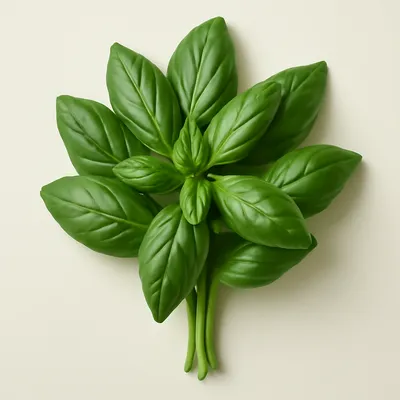
Pasta-filata mozzarella curd hand-shredded into ragged strands ('stracci') and folded into cold fresh cream — the lush, semi-liquid filling of the burrata, now prized as a fresh cheese in its own right. Invented in Andria and codified under the Burrata di Andria IGP (November 2016), stracciatella is served at room temperature with extra-virgin olive oil, cherry tomatoes, and basil, or spread thickly on grilled bread.





Created in Andria around 1920 by brothers Vincenzo and Lorenzo Bianchino when a heavy snowstorm blocked milk transport from the farm: they improvised by shredding leftover pasta-filata scraps into strands, folding them into cream, and sealing the mixture inside a thin mozzarella skin — giving birth to burrata. The stracciatella filling soon became prized on its own. The EU granted IGP status to Burrata di Andria in November 2016, with production requirements that also codify the stracciatella interior's composition and technique.
Rich cream and yielding mozzarella strands melt simultaneously on the tongue; the mild lactic tang of the pasta filata cuts the fat cleanly, and each strand holds a faint elasticity before dissolving entirely into cream.
Pasta-filata production works by acidifying the milk, then submerging the fresh curd in water at ~85°C. At this temperature the casein protein network softens and becomes thermoplastic, allowing the chains to be stretched and aligned into smooth sheets. Hand-tearing ('stracciatella') disrupts this alignment into irregular fibrous strands with a very large surface area, which physically entrap and absorb fresh cream fat globules through capillary action and hydrophobic interactions. The result is a semi-emulsified matrix — casein fibers holding milk fat in suspension without added emulsifiers — that is simultaneously fluid and gently textured.
Variations
Draped with shaved black truffle or finished with truffle oil; served with cherry tomatoes, fresh basil, and extra-virgin olive oil as a summer antipasto; spread thickly on grilled sourdough; placed raw on pizza immediately after baking; stirred into hot pasta as a finishing sauce where residual heat barely warms the cream.
On the Palate
Where Stracciatella di Andria sits in the Italian flavor cloud
Ingredients
Serves 4How it's made
8 steps · 10 min
- 140 min
Heat 2 liters of fresh whole milk in a heavy pot to 37°C. Add 2 ml of liquid rennet, stir gently for 30 seconds, cover, and let stand undisturbed for 40 minutes until a firm, custard-like curd has set.
- 28 min
Using a long knife, cut the curd into roughly 1 cm cubes. Let rest 5 minutes, then stir gently to help the curds separate from the whey; they will contract and begin to sink.
- 35 min
Heat the drained whey — or a separate pot of water with 10 g of salt per liter — to 85°C. Scoop the curds into the hot liquid and leave for 2–3 minutes, until they fuse into a single pliable mass.
- 412 min
Lift out the hot curd mass and knead it vigorously on a smooth surface, stretching and folding repeatedly until it becomes shiny, smooth, and elastic — the pasta filata stage — roughly 8–10 minutes of sustained work.
Watch outKnead the hot curd, stretching and folding, until it turns shiny, smooth and elastic — this pasta-filata stage is what lets you pull it into strands; grainy curd won't stretch.
- 55 min
While the pasta filata is still hot and pliable, pull it into thin sheets with your hands, then tear lengthwise into long, irregular strands. Work quickly before it cools and stiffens.
Watch outPull and tear it into thin strands while it's still hot and pliable — work fast, because once it cools and stiffens it snaps instead of stretching.
- 62 min
Plunge the strands immediately into ice-cold salted water for 1–2 minutes to set their shape and cool to room temperature, then drain thoroughly.
- 75 min
Season the drained strands with fine sea salt. Pour in 200 ml cold heavy cream and fold gently until every strand is coated; the texture should be loose, rich, and barely fluid.
- 83 min
Serve at room temperature within the hour, drizzled with extra-virgin olive oil alongside cherry tomatoes and fresh basil. Refrigerate any remaining portions and consume within 24 hours.
Archive tool suggestions — not reviewed
These legacy suggestions have not been evidence-reviewed and are not presented as required tools.


