A dense, dark Christmas cake of the Montefeltro hills, built on cooked rice and milk-soaked stale bread bound with dried figs, raisins, walnuts, cocoa, honey and citrus zest, then baked low and slow into a moist, almost pudding-like loaf. A registered Marche traditional food, it began as a dolce di recupero, a way to empty the winter larder, and is still celebrated with its own festival at Apecchio.




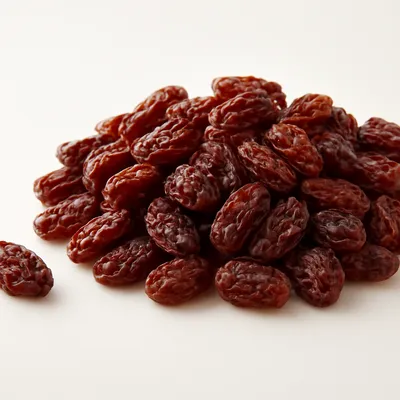

Bostrengo is one of the oldest sweets of the Marche, a dolce di recupero from the rural Montefeltro where nothing was wasted: stale bread, leftover rice, dried fruit and mixed flours were bound together for the winter holidays. Recognised today as a Marche traditional food product (PAT), it is typical of Apecchio, Carpegna, Urbania and Sant'Angelo in Vado in the province of Pesaro and Urbino. A chestnut-flour version also exists, and the town of Apecchio holds an annual Sagra del Bostrengo in summer.
Bostrengo is moist and dense, closer to a steamed pudding than a cake, chewy with figs and raisins, crunchy with walnuts, and darkly bittersweet from cocoa and honey. Warm citrus zest lifts the heavy, spiced richness.
Stale bread has retrograded starch; soaking it in milk rehydrates it, and in the oven the starch re-gelatinises to give a dense, moist crumb, helped by the gelatinised starch of the cooked rice that binds the whole mass. Honey and the sugars concentrated in dried figs and raisins are hygroscopic, holding water so the cake stays moist for days. The long, low bake at around 160°C sets the wet batter and the egg proteins evenly without scorching, while surface sugars and cocoa caramelise and brown into the dark crust.
Variations
A well-known variant replaces some flour with chestnut flour for an earthier, sweeter loaf, and many households add cinnamon, cocoa or a splash of mistrà (aniseed liqueur). Some versions fold in diced apples and pears, or a little cooked must (sapa) for extra depth; the amount of cocoa decides how dark the cake turns.
On the Palate
Where Bostrengo sits in the Italian flavor cloud
Ingredients
Serves 8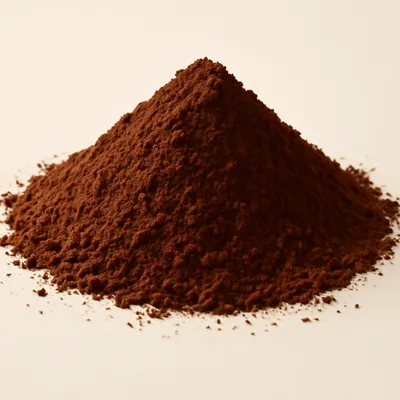



How it's made
7 steps · 30 min
- 130 min
Tear the stale bread into pieces and soak in warm milk until fully softened, about 30 minutes, then mash to a paste.
Watch outSoak the stale bread until it mashes to a smooth paste with no dry lumps — dry bits won't soften later and leave hard flecks in the cake.
- 225 min
Cook the rice in milk until very soft and the milk is absorbed, then let it cool slightly.
- 312 min
Chop the dried figs and walnuts; soak the raisins in a little warm water or liqueur until plump.
- 410 min
In a large bowl combine the mashed bread, cooked rice, sugar, honey, cocoa, citrus zest, eggs and melted butter.
- 58 min
Fold in the figs, raisins, walnuts and a spoonful or two of flour until you have a thick, sticky mixture.
- 660 min
Spread into a greased and lined tin, level the top, and bake at 160°C for about 60 minutes until set and dark on top.
Watch outBake low and slow at 160°C — it's ready when set and dark on top; too hot and the surface scorches before the dense wet centre cooks.
- 760 min
Cool completely in the tin before turning out; wrapped, it keeps for several days and deepens in flavour.
Archive tool suggestions — not reviewed
These legacy suggestions have not been evidence-reviewed and are not presented as required tools.


