
The dense Christmas fruit-and-nut bread of Trentino-Alto Adige (South Tyrol), the German-speaking far north of Italy. A small amount of leavened or unleavened dough is bound around a heavy load of dried and candied fruit and nuts — typically dried figs, dates, raisins, walnuts, pine nuts and almonds, often steeped in grappa or rum — pressed into a flat round or oval loaf and decorated on top with whole walnut halves, almonds and candied fruit. It is baked, glazed, then aged a little before being cut in thin slices and eaten over the Christmas season, classically with a dessert wine. The balance of fruit to dough is the whole question: South Tyrolean (Bolzano) zelten is dense with fruit, while the Trentino version carries more dough.

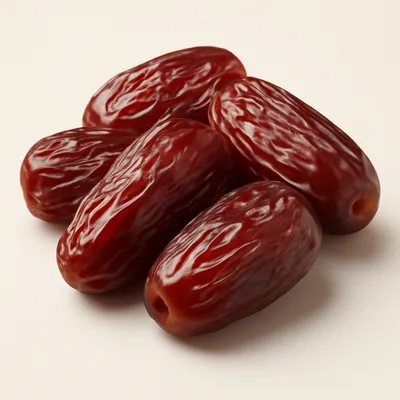
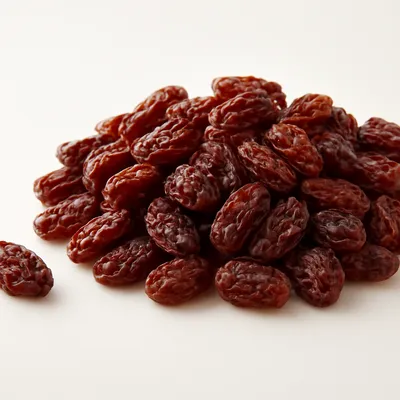

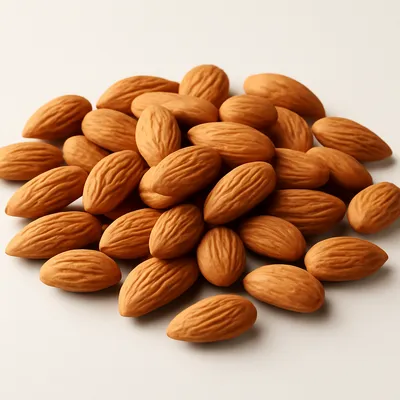

Zelten is documented in South Tyrol from the 18th century, when an 18th-century manuscript records a celteno, an early forerunner of the loaf. The name derives from the Old High German zelto and Middle High German zelte, meaning «flat cake», the same root that gives the modern German Zelten; a popular folk etymology instead links it to the German selten («seldom»), on the grounds that the loaf was baked only once a year. It began as a winter cake built on whatever dried fruit a household had stored, and over time settled into a Christmas bread baked through Advent to be eaten on Christmas Day. There is no single fixed recipe: the proportions shifted valley by valley with what fruit was locally available, which is why the fruit-heavy South Tyrolean and the more bread-like Trentino styles diverge to this day.
A thin slice is mostly fruit and nut, barely held together by a dark, moist crumb — you taste fig and date sweetness first, then the resinous bite of walnut and pine nut, with raisins and candied peel sharpening the background. The texture is dense and a little chewy, never cakey or airy; the walnut halves set into the glazed top stay crisp against the soft interior. Spices — cinnamon, clove, sometimes a little anise — sit underneath, and the grappa or rum the fruit was soaked in lingers as a warm note. A good zelten is moist and keeps for weeks; a dry, crumbly one means too much dough or not enough steeping.
Zelten keeps because it is mostly preserved fruit and nut, with only enough dough to bind them. Dried fruit holds little free water and is high in sugar, which lowers water activity so the loaf stays moist for weeks without spoiling; steeping the fruit in grappa or rum beforehand plumps it, adds aroma, and the alcohol further discourages mould. The high ratio of fruit and fat (from the nuts) keeps the crumb dense rather than light — there is too little flour to build a strong, airy gluten network. Baking is moderate and not too long so the sugary fruit does not scorch; resting the cut loaf for some days lets moisture migrate and even out from fruit into dough, which is why aged zelten eats moister and more rounded than a freshly baked one.
Variations
The two main styles split by region: the South Tyrolean zelten of Bolzano is packed with fruit and nuts with the dough almost an afterthought, while the Trentino zelten carries noticeably more dough and reads closer to a fruited bread. Households vary the dried fruit — figs, dates, raisins, sometimes candied citron and orange peel — and the nuts, with pine nuts especially associated with the Trentino versions. The soaking spirit may be grappa, rum or a fruit liqueur; some bakers leaven the dough while others keep it close to unleavened. It sits among the German-speaking Alpine Christmas breads alongside Stollen, though zelten is far heavier with fruit and nut than the buttery, marzipan-cored Stollen.
On the Palate
Where Zelten sits in the Italian flavor cloud
Ingredients
Serves 10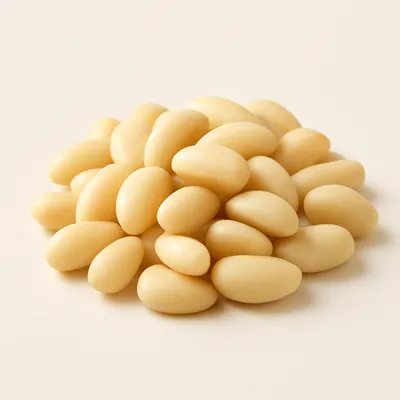


How it's made
8 steps · 1 hour
- 1600 min
Chop dried figs and dates, and steep them with raisins in grappa or rum until plump.
- 215 min
Coarsely chop walnuts, almonds and pine nuts, reserving the best walnut halves and whole almonds for the top.
- 315 min
Make a small dough of flour, a little butter, egg, sugar and a pinch of leavening, scented with cinnamon, clove and grated lemon zest.
- 415 min
Work the soaked fruit, candied peel and chopped nuts into the dough until it is barely held together — mostly fruit and nut.
Watch outWork the fruit and nuts in until the dough barely holds together — it should be mostly fruit and nut with just enough dough to bind, or it bakes bready instead of dense.
- 510 min
Press into flat rounds or ovals on a lined tray and flatten the tops.
- 610 min
Decorate the surface with the reserved walnut halves, whole almonds and candied fruit, pressing them in lightly.
- 750 min
Bake at about 160°C until set and deep golden but not scorched, around 40 to 50 minutes.
Watch outBake at a moderate heat until set and deep golden but not scorched — the sugary fruit burns easily, so watch the color near the end.
- 820 min
Brush the warm loaves with a sugar or apricot glaze, cool, then rest a few days before slicing thin.
Archive tool suggestions — not reviewed
These legacy suggestions have not been evidence-reviewed and are not presented as required tools.


