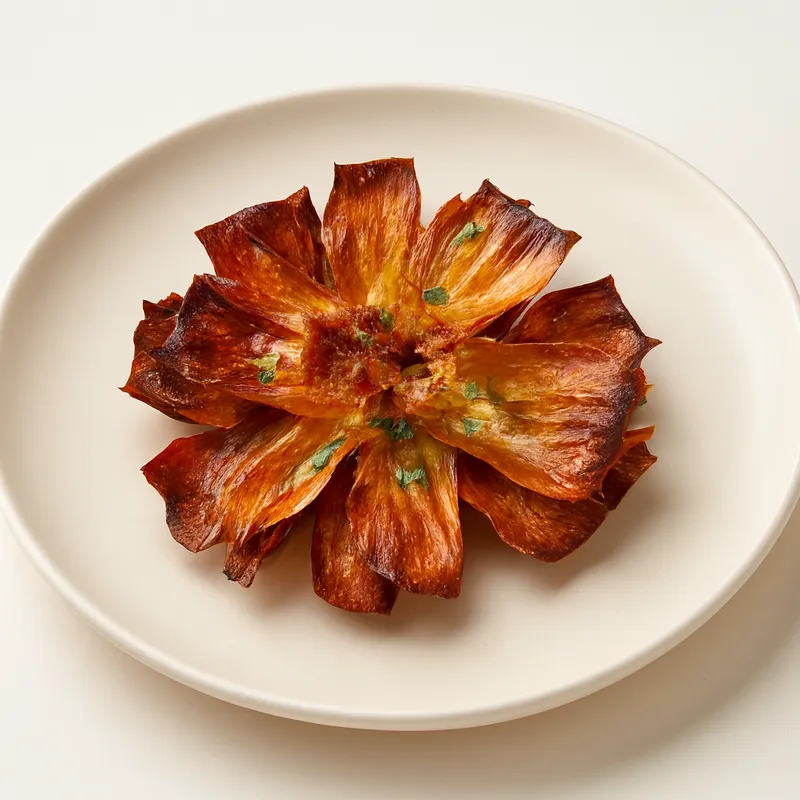


Stoccafisso all'anconetana traces to medieval trade between Ancona's port and the Lofoten Islands of Norway — Norwegian stockfish (dried cod) arrived as preserved protein that survived months of sailing and provided Lenten meals (no fresh fish during certain Catholic fast days). The Marche region became one of stockfish's biggest non-Norwegian consumers. The Anconetan version differs from the Vicenza baccalà alla vicentina (cream-based) by being tomato-and-olive-based — a Mediterranean treatment of a Nordic ingredient. Modern stockfish must be rehydrated for 5-7 days in changed water (skip this step and the dish is inedible). The dish is so important to Marche identity that the Accademia dello Stoccafisso all'Anconetana exists to defend the canonical recipe.
Despite the long rehydration, stockfish retains a unique fibrous-flaky texture that fresh cod can't replicate — denser, more concentrated, with that vague salt-air aging. The Mediterranean treatment (olives, capers, anchovies, tomato) transforms the Nordic ingredient into something that tastes entirely Italian. The potatoes absorb the rich sauce and become part of the dish, not a side. Pine nuts add unexpected sweet-fatty contrast. Eat hot, slowly — this is a Sunday-lunch dish, not a weekday meal. Pair with red Rosso Conero, locally grown.
Rehydration is a chemical process — proteins in dried cod re-bind to water over days, restoring texture. Skipping or shortening this step leaves the fish leathery. The peculiar fibrous-flaky texture is unique to dried-then-rehydrated cod (different from fresh cod): drying breaks down some collagen, so the rehydrated fish flakes more readily. The no-stir rule during simmer prevents the delicate fish flakes from disintegrating; the pan-shake technique allows the bottom to not stick without breaking the fish. Anchovies and olives provide the dish's umami-salt-fat trio that turns mild stockfish into a flavor bomb.
Variations
Ancona canonical includes pine nuts, anchovies, capers, green olives, and tomato; Sirolo variant adds raisins (an old Eastern-Mediterranean trade flavor); Senigallia version uses no anchovies; modern Conero restaurants serve the stockfish as a small plate with polenta cake; commercial wet-baccalà can substitute but the texture is softer and less interesting; a Tuscan-style version (without pine nuts and capers) is technically baccalà alla livornese, not all'anconetana.
On the Palate
Ingredients
Serves 4



How it's made
6 steps · Show ↓60 min active · 90 min waiting
How it's made
6 steps · Show ↓- 110 min
5-7 days before — rehydrate stockfish: place 800g dried Norwegian stockfish (it will be hard as wood) in a large container of cold water in the refrigerator. Change water twice daily for 5-7 days until the fish is supple and flesh easily peels from skin. Drain; cut into 6cm chunks. (If using shortcut wet baccalà from store, soak only 24 hours.)
- 25 min
Prep vegetables: peel and cube 600g potatoes into 3cm chunks; soak in cold water to prevent browning.
- 310 min
In a deep earthenware pot (tegame) or wide Dutch oven, warm 5 tbsp olive oil over medium heat. Add 1 large sliced onion + 4 minced garlic cloves; sweat 8 min until translucent.
- 45 min
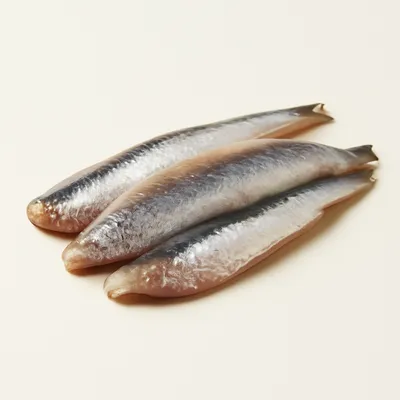
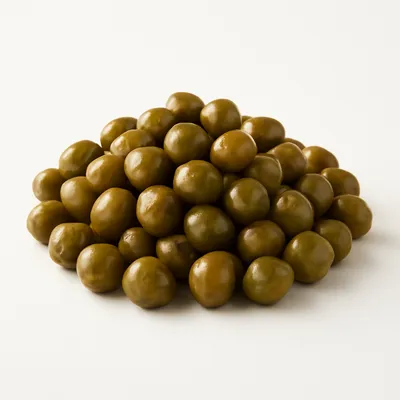
Add 8 anchovy fillets (chopped) + 2 tbsp capers (rinsed) + 100g pitted green olives (halved) + 2 tbsp pine nuts + 1 tsp peperoncino flakes + 1 chopped sprig rosemary. Stir 3 min.
- 560 min
Add 400g passata + 1/2 cup white wine + 1 cup hot water. Bring to a simmer. Add the rehydrated stockfish chunks and drained potatoes; stir very gently to coat. Add 1 tsp salt + black pepper. Cover; reduce heat to lowest; cook 45 min — do NOT stir during this time, only shake pan occasionally.
- 616 min
Check: potatoes should be tender, stockfish flaky-tender, and sauce thickened. If sauce is still loose, uncover and simmer 5 min more. Off heat; scatter 1/4 cup chopped parsley. Rest 10 min. Serve in deep bowls over polenta or with crusty bread.