Buridda is the canonical Ligurian fish stew, with Genoese roots and variants throughout the western Riviera. The dish has two distinct historical forms: the Genoese coastal version uses fresh mixed fish and is comparable to a French bouillabaisse; the inland Ligurian version uses stockfish (dried Atlantic cod imported from Norway via Genoese trade routes since the medieval period), making it a Lenten/winter dish when fresh fish was scarce. Distinctively, both versions include dried mushrooms (porcini), pine nuts, capers, and olives — terrestrial Ligurian ingredients combined with the sea. The dish's name likely comes from an Arabic word meaning 'cut into small pieces'; the same root gave the similarly-named Provencal fish soup 'bourride.' Today Genoese restaurants serve both fresh-fish and stockfish versions; the stockfish version (buridda di stoccafisso) is the more traditional and lesser-known.
A spoon goes into the bowl and brings up four ingredients in one motion: a chunk of monkfish, a piece of squid, a half-mussel, a green olive — all in a thin amber broth with porcini-fish-tomato richness. The bite reveals what makes buridda unique: dried mushrooms give an unexpected forest depth to a seafood stew, pine nuts add small sweet-fatty surprises, capers and olives bring a Mediterranean salt-brine. The bread underneath has fully absorbed the broth and is the best part of the dish. Drink white wine slowly — this is dinner.
Dried porcini are the secret ingredient that elevates buridda from a generic fish stew to something distinctly Ligurian — the umami-rich mushroom liquor adds depth that fish broth alone can't reach. Pine nuts (a Ligurian staple from the pine forests of the Apuan Alps) contribute fat and sweetness; capers and olives contribute brine. The vinegar at the end is the Genoese signature — it brightens the dish and prevents the umami from being one-note. The fish-add-in-order rule prevents firm fish from undercooking while delicate mollusks overcook.
Variations
Genoese coastal canonical uses fresh fish + porcini + olives + capers + pine nuts; inland 'buridda di stoccafisso' uses stockfish rehydrated 5-7 days (a Lenten dish); Riviera di Levante variant adds saffron (debated authenticity); modern Genoa restaurants serve buridda 'consume style' (strained broth, fish on the side); commercial frozen seafood mix is acceptable in a pinch but the canonical demands fresh; the vinegar splash at the end is one of those tiny details that separates Genoese from Tuscan or Provençal-style fish stews.
On the Palate
Where Buridda sits in the Italian flavor cloud
Ingredients
Serves 4





How it's made
8 steps · 45 min active + 30 min waiting
- 133 min
Soak 20g dried porcini in 200ml warm water 30 min; strain (reserve liquid), chop mushrooms.
- 28 min
Prep fish: 800g mixed firm white fish (monkfish, hake, sea bass, halibut) + 200g squid + 200g cleaned mussels or clams. Cut large fish into 4cm chunks.
- 310 min
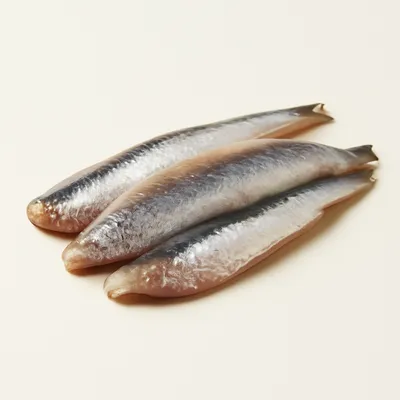
In a heavy wide pot, warm 5 tbsp olive oil + 1 finely diced onion + 4 minced garlic cloves + 2 anchovy fillets (chopped). Sweat 8 min until onion is soft and anchovies dissolved.
Watch outSweat the onion, garlic and anchovies gently until the anchovies melt away completely and the onion goes soft and translucent — no browning, this is the flavor base.
- 411 min
Add chopped porcini + the squid (longest cook); cook 5 min. Add 1 cup dry white wine + the porcini liquid; reduce 5 min.
- 513 min
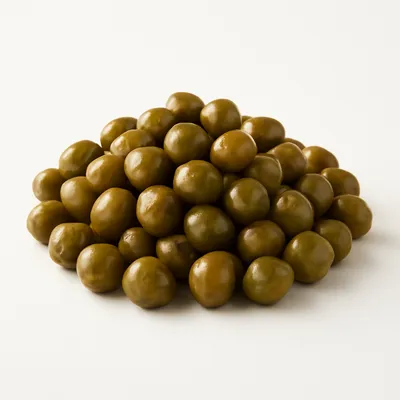
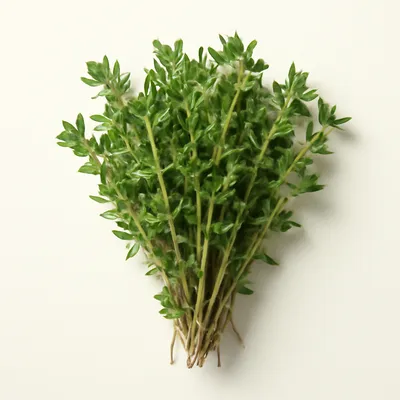
Add 300g passata + 2 tbsp pine nuts + 2 tbsp capers (rinsed) + 80g pitted green olives + 1 sprig fresh thyme + 1 bay leaf + 1 tsp salt + black pepper. Simmer 10 min.
- 611 min
Add the fish chunks (firmest first); cook 5 min. Add mussels/clams; cover and cook until shells open, 4-5 min more. Total fish-cook time about 10 min.
Watch outAdd the seafood by firmness — chunky fish first, mussels and clams last, straight in only until the shells just gape; the moment they open they're done.
- 76 min
Off heat. Discard bay and thyme stem. Stir in 1/4 cup chopped parsley + 1 tbsp red wine vinegar (this Genoese touch brightens the dish). Adjust salt. Rest 5 min for flavors to meld.
Watch outOff the heat, stir in the red wine vinegar right at the end — that final splash lifts the whole stew and stops the umami turning flat and one-note.
- 812 min
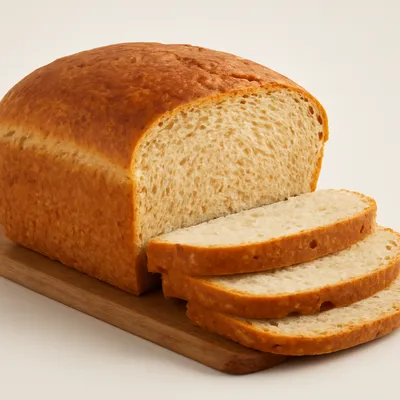
Toast 8 slices country bread; rub with garlic. Serve buridda in deep bowls over toasted bread, distributing each type of seafood evenly. Drizzle with Ligurian olive oil. Pair with Pigato (Ligurian white) or Cinque Terre wine.
Archive tool suggestions — not reviewed
These legacy suggestions have not been evidence-reviewed and are not presented as required tools.