
Gnocchi alla Sorrentina is the oven-baked (al forno) Sorrento treatment of soft potato gnocchi, distinct from plain boiled gnocchi dressed in sauce: the dumplings are simmered in a basil-scented tomato sauce, layered with torn fior di latte (cow's-milk mozzarella) and grated Parmigiano Reggiano, and baked until the cheese melts into strings and the surface browns. It is traditionally portioned and gratinated in individual terracotta dishes (pignatielli or tegamini). The seasoning is that of the Pizza Margherita — tomato, mozzarella, and basil — making it a defining comfort dish of Campania and the Sorrento–Amalfi coast.
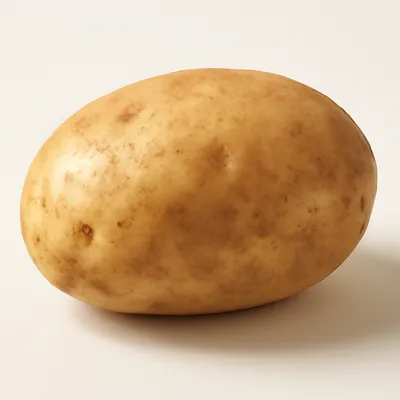



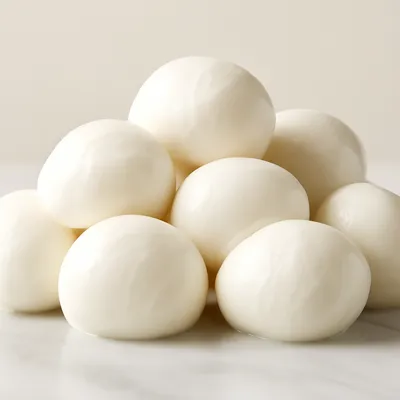

A classic of Sorrento, in the province of Naples (Campania), the dish takes its name from the adverbial «alla sorrentina» — «in the style of Sorrento». Its exact origin is unrecorded; popular accounts trace it to a Sorrento tavern but disagree widely on the century, and are best treated as legend. What is documented is the chronology of its main component: gnocchi are an old form recorded in 16th-century cookbooks by Cristoforo Messisbugo and Bartolomeo Scappi, but those were made of flour, breadcrumbs, or semolina, not potato. The potato reached Italy only in the 16th century and was adopted slowly, so the potato gnocchi underlying this dish did not become common in Italy until around the 18th century. The sauce relies on the region's prized plum tomato; the Pomodoro San Marzano dell'Agro Sarnese-Nocerino of Campania was granted EU protected-origin (DOP) status in 1996.
Pulled from the oven bubbling, each gnocco is pillowy and just yielding inside, bound in a sweet-tart tomato sauce that has thickened and caramelized at the edges. The fior di latte melts into long elastic strings that lift with the spoon, and the gratinated top carries patches of browned, faintly toasted cheese. Fresh basil cuts through the richness, with a salty, nutty edge from the Parmigiano.
Light gnocchi depend on minimizing gluten: potatoes are baked or boiled in their skins, riced while still warm, and bound with only enough 00 flour to hold a dough, since over-kneading or excess flour develops gluten and turns the dumplings dense and gummy. Boiled briefly, the potato starch gelatinizes and the gnocchi set and float when done. The cheese choice is functional: fior di latte (cow's-milk mozzarella) carries far less free water than fresh buffalo mozzarella, so it weeps less whey into the dish during baking — avoiding a watery, soggy result — while still melting and stringing well. In the oven the cheese's casein protein matrix softens and flows at roughly 50–60°C, releasing fat and pulling into elastic threads; at the much higher surface temperature of a hot oven (around 200°C) the exposed cheese and sauce brown via the Maillard reaction and sugar caramelization, building the gratin's toasted color and savory depth.
Variations
A common variant swaps part or all of the fior di latte for smoked provola (provola affumicata) or scamorza, adding a smoky depth. The Sorrento custom of baking and serving in single-portion terracotta tegamini or a pignatiello is itself a recognized regional form. The same tomato-mozzarella-basil treatment applied to pasta yields pasta alla sorrentina (or gnocchi's cousin, baked ziti-style dishes). Some cooks build the sauce specifically on San Marzano-type tomatoes and a generous infusion of fresh basil.
On the Palate
Where Gnocchi alla Sorrentina sits in the Italian flavor cloud
Ingredients
Serves 4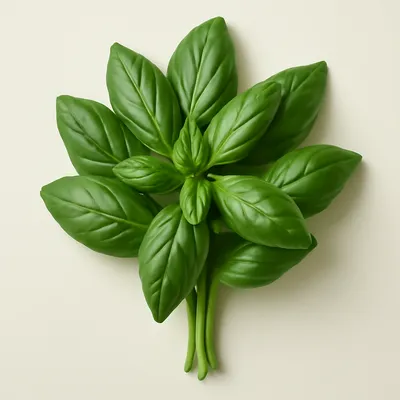



How it's made
8 steps · 50 min active + 40 min waiting
- 145 min
Bake or boil the potatoes whole in their skins until tender, then peel and pass them through a ricer while still warm.
Watch outRice the potatoes while still warm and use minimal flour — over-flouring or over-kneading develops gluten and the gnocchi turn dense and gummy.
- 28 min
Spread the riced potato to cool slightly, add the 00 flour, egg yolk, and salt, and bring together into a soft dough, kneading as little as possible.
- 312 min
Roll the dough into ropes, cut into bite-size gnocchi, and ridge each one against a fork or gnocchi board.
- 412 min
Make the sauce: gently warm garlic in olive oil, add the tomato passata or crushed San Marzano tomatoes and a few basil leaves, season, and simmer until lightly thickened.
- 54 min
Boil the gnocchi in salted water until they float, about 1–2 minutes, then lift them straight into the tomato sauce and toss to coat.
Watch outPull the gnocchi the instant they float, about 1-2 minutes — leave them and the tender dumplings go soft and start to dissolve.
- 66 min
Layer the saucy gnocchi into individual terracotta dishes (or one baking dish) with torn fior di latte and grated Parmigiano Reggiano.
- 715 min
Bake in a hot oven at about 200°C until the cheese is fully melted, stringy, and browned on top.
Watch outBake hot until the fior di latte is melted, stringy and browned on top — it weeps less whey than buffalo mozzarella, so it won't go watery.
- 83 min
Finish with fresh basil and rest for a couple of minutes before serving very hot in the baking dish.
Archive tool suggestions — not reviewed
These legacy suggestions have not been evidence-reviewed and are not presented as required tools.


