
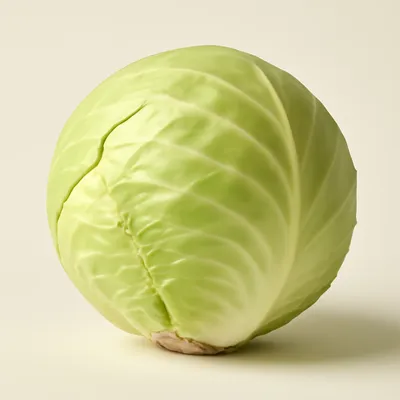
The flagship dish of the Valtellina, the alpine valley in northern Lombardy bordering Switzerland. Short, grey buckwheat tagliatelle are boiled in the same pot as sliced potatoes and savoy cabbage or chard, then layered with abundant Valtellina Casera DOP cheese and doused in butter sizzled with garlic and sometimes sage. Town of Teglio is regarded as its home, and the assembly is finished hot so the cheese melts into strands rather than being stirred. It is heavy, warming mountain food, served as a single main course.



Pizzoccheri are documented in the Valtellina from around the mid-18th century, the product of a cold, high valley where buckwheat — a fast-growing pseudocereal, not a true grain — thrived when wheat would not. In 2016 the European Union granted Pizzoccheri della Valtellina protected geographical indication (IGP/PGI) status, fixing the buckwheat-to-wheat ratio and the use of Valtellina Casera DOP cheese. The recipe is guarded by the Accademia del Pizzocchero di Teglio, founded to protect it from imitation. This Lombard dish should not be confused with the cross-border Swiss «Pizzoccheri» of neighbouring Val Poschiavo (Graubünden), which shares the buckwheat pasta but leans on chard and the Swiss valley's own mountain cheeses.
The buckwheat ribbons are nutty and faintly earthy, tender with a slightly crumbly chew quite unlike wheat pasta. Between them the potato has gone soft and the cabbage silky, all bound by molten Casera that pulls into long strands when you lift a forkful. Over everything sits the garlic butter — toasty, rich, faintly sweet from browned milk solids. Done well it is unctuous but not greasy; done badly the cheese seizes into a rubbery clot or the butter turns oily and flat.
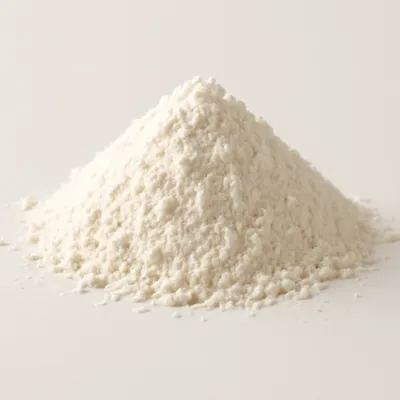
Buckwheat has no gluten, so it is cut with wheat flour: the wheat supplies just enough structure to hold a ribbon together while the buckwheat carries the nutty flavour and crumbly bite. Boiling pasta, potato and cabbage in one pot lets their starches mingle and seasons everything alike. The cheese is layered with the hot drained ingredients rather than stirred in — trapping heat so the Casera melts into strands; vigorous stirring would shear the protein-fat network and make it seize. The butter is taken just past melting until the milk solids brown (a Maillard reaction), giving the nutty aroma, and the raw garlic infuses the hot fat.
Variations
The IGP-protected Valtellina original uses savoy cabbage with Valtellina Casera DOP, though some cooks substitute or add chard, and Bitto DOP or grated Grana Padano may join the Casera. Across the Bernina pass, the Swiss Val Poschiavo version (in Graubünden) favours local chard and the valley's own mountain cheeses. Beyond the layered bake, «pizzoccheri bianchi» of nearby Chiavenna are a different dish — gnocchi-like dumplings of bread, flour and cheese rather than buckwheat ribbons.
On the Palate
Where Pizzoccheri della Valtellina sits in the Italian flavor cloud
Ingredients
Serves 4

How it's made
7 steps · 50 min active + 40 min waiting
- 120 min
Make a dough of buckwheat flour and a smaller amount of wheat flour with water, knead until smooth, then rest it.
- 215 min
Roll the dough out and cut it into short ribbons about a finger wide and a few centimetres long.
- 310 min
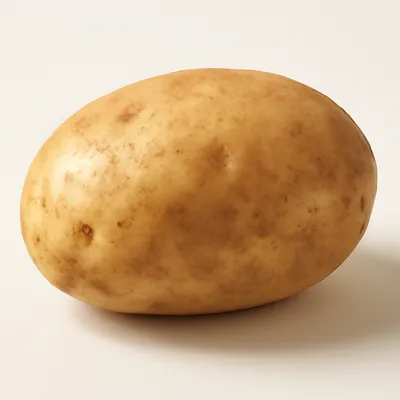
Peel and slice the potatoes; shred the savoy cabbage or chard.
- 420 min
Bring a large pot of salted water to the boil, add the potatoes first, then the cabbage, and finally the pasta, cooking everything together.
Watch outAdd in order and time it so the potato is soft and the cabbage tender just as the pasta finishes — pull a ribbon to taste.
- 512 min
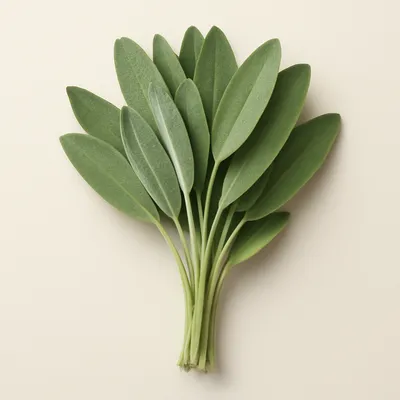
Meanwhile melt the butter with sliced garlic (and sage if using) over low heat until the butter turns nutty and lightly browned.
Watch outTake the butter off the heat the moment the milk solids are golden and it smells like toasted nuts, before it burns.
- 68 min
Drain the pasta and vegetables, reserving a little water, and layer them in a warm dish with abundant cubed Casera and grated Grana Padano.
- 73 min
Pour over the hot garlic butter, let the cheese melt into strands, and serve at once without stirring.
Watch outPour the sizzling butter over and let it sit — you should see the cheese slump and pull into glossy strands without any stirring.
Archive tool suggestions — not reviewed
These legacy suggestions have not been evidence-reviewed and are not presented as required tools.


