
Umbrian eggless pasta — hand-rolled strangozzi (4mm-square strands of flour-and-water dough) sautéed in olive oil with garlic and anchovy, generously showered with shaved black truffle from Norcia.


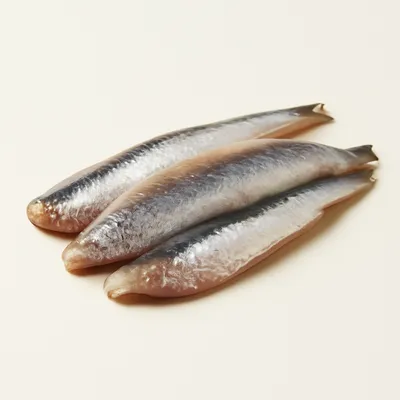
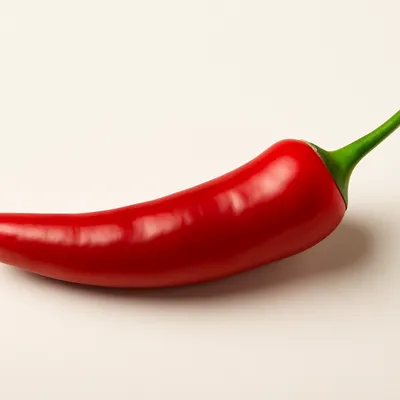
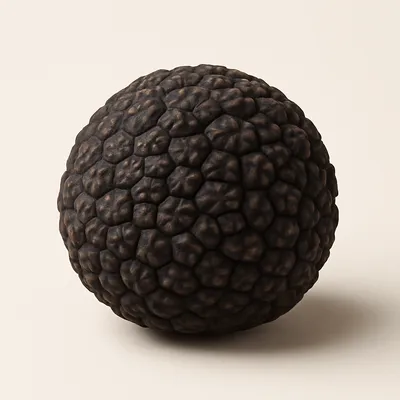
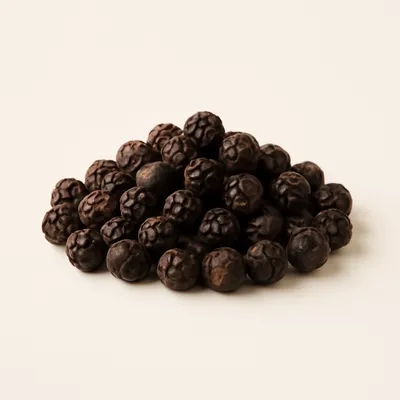
Strangozzi (also strangozzi, ciriole, umbricelli depending on the town) are the canonical Umbrian pasta — eggless, hand-rolled, and square-section like a rougher peasant cousin of Abruzzese chitarra. The name comes from strangolare ('to strangle'), a folk-etymology referring to the priest-strangling shoestrings the dish supposedly resembles (anti-clerical Umbrian humor from the Papal States era). Without eggs, the dough is chewier and more rustic. Truffles — both Norcia black truffle (Tuber melanosporum) in winter and the rare white truffle (Tuber magnatum) from Umbria's upper Tiber valley (around Gubbio/Citta di Castello) in autumn — were once everywhere in Umbria's oak forests, making truffle-as-pasta-sauce a peasant dish rather than a luxury. The garlic-anchovy-olive-oil base is the traditional preparation; modern restaurants often add cream (purists object).
The pasta is the foreground: rougher and chewier than egg pasta, the eggless strands have an almost gummy spring that grips the olive-oil-and-anchovy slick. Truffle hits the nose first — earthy, garlicky-funky, a smell that makes the eyes close involuntarily. The taste is more subtle than the smell: a mineral, mushroomy presence rather than an explosion. The anchovy melts into invisible umami support; you wouldn't identify it as fish. The dish is monastic — five ingredients, one pan, ten minutes of plating — but the truffle elevates it to royalty.
Eggless pasta requires longer kneading and less water than egg pasta because there's no egg-yolk fat to lubricate gluten development; the result is a denser, chewier strand that holds up against assertive truffle/anchovy sauces (egg pasta would be drowned). Anchovies dissolve in olive oil between 60-80°C because their muscle proteins denature and release glutamates — heat too high and they burn; too low and they remain solid. Black truffles release their full aroma only at body temperature, which is why they're shaved cold onto warm pasta — never cooked.
Variations
Norcia canonical uses fresh black truffle and 6 anchovies; Spoleto variant adds a pinch of grated pecorino at the end (Norcia purists object); modern restaurant versions add cream and butter (the 'crema al tartufo' style — controversial); home-cook approximation uses truffle oil and bottled truffle paste (better than nothing); a winter version with truffle pâté instead of fresh is acceptable when truffles are scarce but lacks the aroma punch.
On the Palate
Where Strangozzi al Tartufo sits in the Italian flavor cloud
Shave the black truffle raw over the hot pasta at the table — it releases its full aroma only at body temperature; cook it and you throw the whole perfume away.
Ingredients
Serves 4
How it's made
5 steps · 50 min active + 40 min waiting
- 142 min
Make dough: pile 400g 00 flour on a board, well in center, add 200ml warm water + 1 tsp salt + 1 tbsp olive oil. Mix progressively from center; knead 10 min until smooth and elastic. Wrap; rest 30 min.
Watch outEggless dough needs a full 10 min kneading to turn smooth and elastic — it starts crumbly and comes together slowly.
- 218 min
Roll dough to 3mm thick (slightly thicker than egg pasta). Cut into 4mm-wide strips. Roll each strip lightly under fingers to even out — strangozzi should be roughly squared-rectangular, not perfectly round. Toss with semolina; spread on tray. Should yield ~600g fresh pasta.
- 36 min
Make sauce: in a wide pan, warm 5 tbsp extra-virgin olive oil + 3 minced garlic cloves + 6 anchovy fillets (chopped) over low heat, 3 min — anchovies should dissolve. Add 1 minced peperoncino. Keep warm.
Watch outThe anchovies are ready when they've melted into the oil and you can't see the fillets anymore — low and slow.
- 45 min
Cook strangozzi in heavily salted boiling water, 4-5 min (fresh pasta) until al dente. Reserve 1 cup pasta water. Drain.
- 56 min
Toss pasta in the warm anchovy oil, add 1/4 cup pasta water to emulsify, 2 min over low heat. Plate in deep bowls. Shave 30-40g fresh black truffle over each portion (or drizzle 2 tsp truffle oil + 5g grated truffle if fresh is impossible). Finish with a grind of black pepper. Serve immediately.
Watch outThe sauce should turn glossy and cling to each strand once the pasta water goes in — that sheen means it emulsified.
Archive tool suggestions — not reviewed
These legacy suggestions have not been evidence-reviewed and are not presented as required tools.


