
Umbrian-Tuscan chicken-liver crostini — sautéed chicken livers chopped with anchovies, capers, and red wine into a chunky dark spread, served on toasted bread as the obligatory antipasto at every traditional central-Italian Sunday lunch.
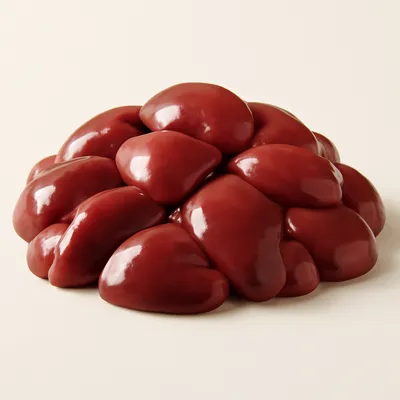



Crostini neri ('black crostini') are the iconic antipasto of Umbria and Tuscany, especially in the rural pranzo della domenica (Sunday lunch) tradition. The name 'neri' refers to the dark color of cooked chicken liver. Recipes go back to peasant kitchens of central Italy in the Middle Ages, when chicken livers (and calf/beef spleen, still used in the Sienese version) were too small to roast but too good to waste — the solution was to chop and spread on bread, the universal carrier of poor cuisine. The Umbrian version differs from the Tuscan by using a small amount of broth and being slightly chunkier; Tuscan versions tend to be smoother and sometimes include capers. Modern restaurants in both Umbria and Tuscany serve these crostini as the opening salvo of any tasting menu.
A crostino nero is a bite of texture and complexity in one square inch: the bread is toasted but slightly damp from the broth brush (essential — dry crostini are a sin); the chicken-liver topping is dark, glossy, chunky enough to identify pieces of liver, salt-rich from anchovies and capers, with a vinegar-acid backbone that keeps the iron-y richness in check. There's an unmistakable Umbrian-Tuscan farmhouse quality — these aren't elegant, they're grandmother's. Eat in one bite, take a sip of red, eat another.
Chicken livers have very high iron content (more than red meat) which creates the dish's characteristic mineral-y richness; the anchovies amplify umami without adding fishiness (they melt away in cooking); capers add brine that balances the iron. The chunky chop (not smooth purée) is intentional — a smooth pâté changes the dish's character to French-style. Broth-brushing the toast is the under-known step that distinguishes pro from amateur — dry crostini taste flat, lightly-damp ones glow.
Variations
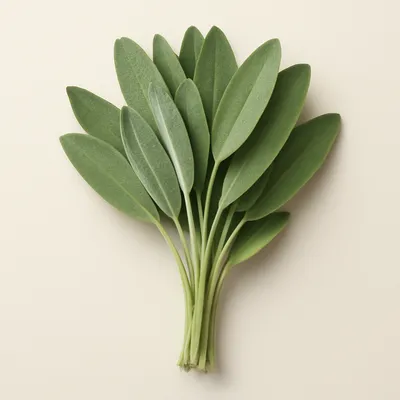
Umbrian classic uses tomato paste and sage; Tuscan version often skips tomato and uses thyme instead; the Florentine version deglazes the livers with vin santo (a sweet fortified wine), a long-established classic option that can be swapped for dry white, red, marsala, or brandy; modern restaurants pass the mixture through a sieve for a smoother result (lost authenticity); commercial chicken-liver pâté in jars is NEVER the same dish; a vegetarian crostini neri substitute with mushroom-and-walnut spread exists but is a different dish, not a crostini nero.
On the Palate
Where Crostini Neri sits in the Italian flavor cloud
Ingredients
Serves 6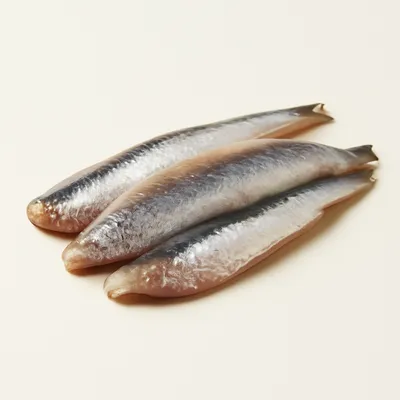


How it's made
5 steps · 30 min active + 15 min waiting
- 14 min
Clean 400g chicken livers: trim any green spots (gall residue, bitter), pat dry. Cut larger livers in half.
- 28 min
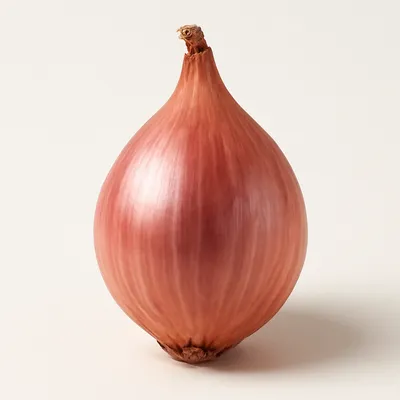
In a wide pan, warm 3 tbsp olive oil + 2 tbsp butter over medium heat. Add 1 finely diced shallot + 1 minced garlic clove; sweat 3 min. Increase heat; add the chicken livers + 1 tsp salt + black pepper. Sauté 5 min, turning, until livers are browned outside but still pink inside.
Watch outSear the livers just until browned outside but still rosy-pink at the center — cook them grey all through and they turn dry and grainy.
- 314 min
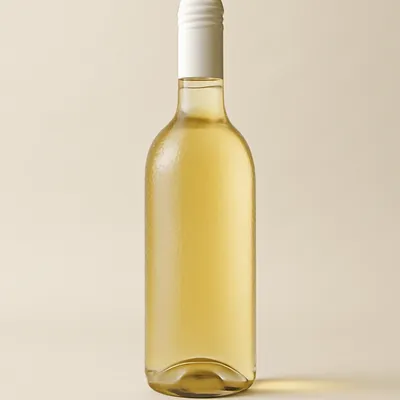
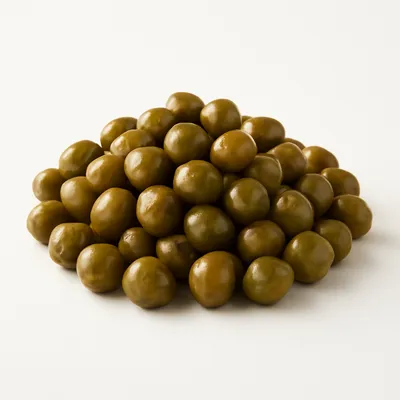
Add 1/3 cup dry white wine; let it reduce 2 min. Add 4 anchovy fillets (chopped) + 2 tbsp capers (rinsed) + 1 tbsp tomato paste + 1/4 cup chicken broth + 4 sage leaves. Reduce heat; simmer 12 min until livers are fully cooked and mixture has thickened.
- 47 min
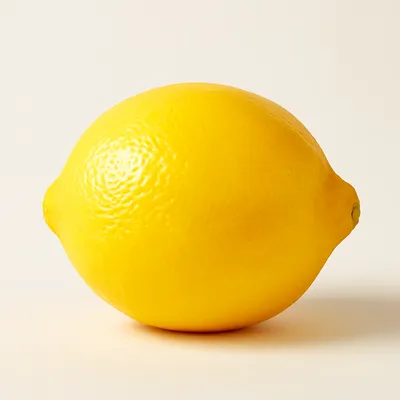
Remove sage. Transfer mixture to a board; chop with a heavy knife to a chunky paste — should still have texture, not be smooth like pâté. Return to pan; add 1 tbsp butter + 1 tbsp red wine vinegar + 1 tsp lemon juice; stir 1 min. Adjust salt; cool slightly.
Watch outChop it on the board to a coarse, textured paste — you want to still feel the bits; blitz it smooth like a French pâté and it stops being this dish.
- 512 min
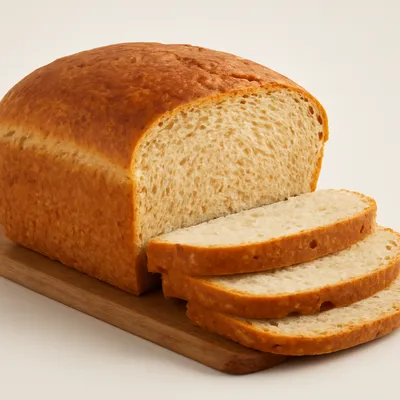
Slice a small baguette or country bread into 1cm-thick rounds; toast in oven at 200°C until golden, 5 min. Optionally rub with a cut garlic clove. While crostini are warm, brush each with a tiny bit of warm chicken broth (this is the trick — the broth gives that classic 'wet' crostino base). Spoon a generous tablespoon of chicken liver mixture on each. Garnish with a tiny piece of caper. Serve immediately.
Watch outBrush each warm crostino with a little warm broth before topping — dry toast eats flat, a lightly-damp base is the trick that makes it taste alive.
Archive tool suggestions — not reviewed
These legacy suggestions have not been evidence-reviewed and are not presented as required tools.


